Local meeting spotlights housing growth corridor strategy for county
Housing North hosts a midday presentation of initial growth corridor results and next steps for housing planning. Traverse City residents can learn how the project may shape future development.
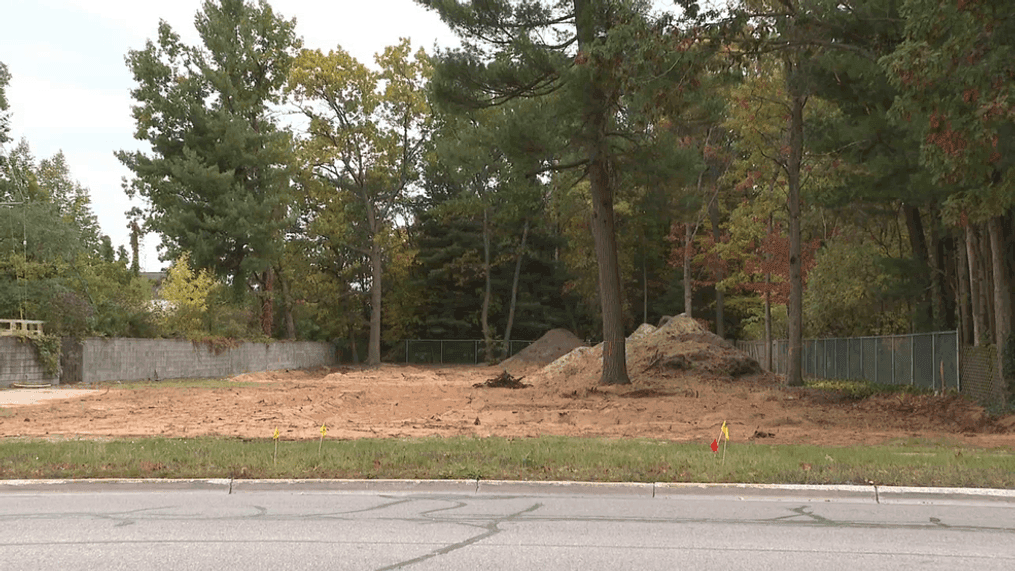
Housing North convenes a midday conversation today at the Traverse City Curling Center to unveil initial findings from the Grand Traverse County Housing Growth Corridor Strategy and to discuss how the work can inform future housing planning and development across the county. The event runs 3:00 to 4:30 p.m., is free to attend, and organizers will offer light refreshments; on-site parking is available.
Ryan Kilpatrick of Flywheel Companies presents the project’s early results, sharing analysis developed through a partnership that includes Flywheel Companies and the Michigan Land Use Atlas. Funding and support come from local partners including the Grand Traverse Economic Development Corporation and The Brookby Foundation. Housing North leads the project, which aims to identify places and policy tools that could guide housing growth in ways that align with community needs.
For Grand Traverse County residents, the neighborhood-level implications matter. A growth corridor approach typically concentrates development along key streets and nodes, which can influence where new housing is built, who can access transit and services, and how infrastructure and public health resources are allocated. Local planners and developers often use corridor studies to shape zoning changes, infill strategies, and public investments. For residents, that can mean changes in property patterns, commuting options, and housing affordability over time.
This meeting brings together municipal staff, nonprofit partners, developers, and community members to weigh those trade-offs. Organizers say the work is intended to support future planning and development rather than dictate single outcomes, offering tools and data local officials can use as they update zoning codes, site plans, and long-range plans. Attendees can expect a presentation of the strategy’s initial mapping and analysis and a chance to ask questions about next steps for implementation and outreach.
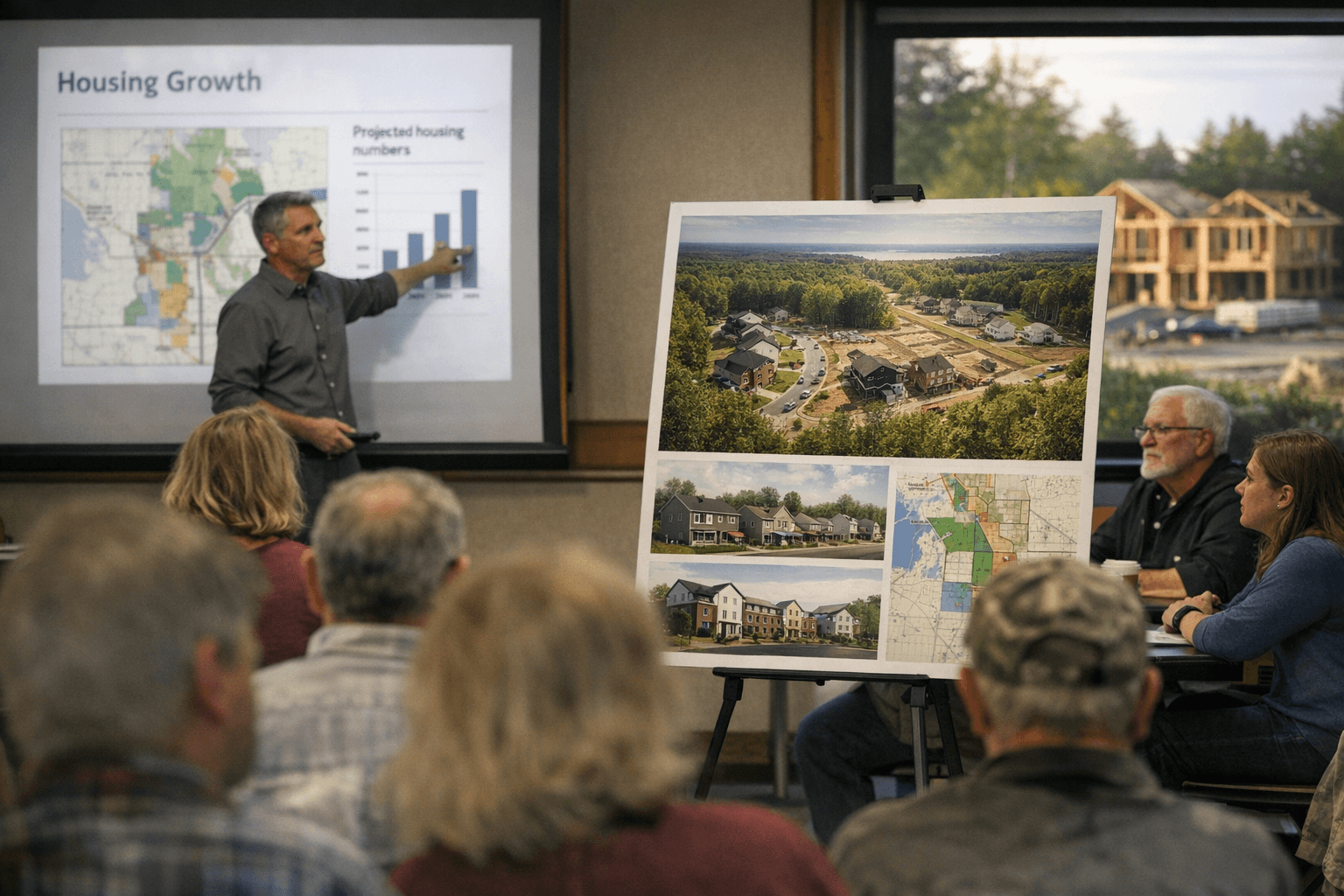
Accessibility and civic participation are central to outcomes. How corridor decisions are made will affect low-income households, seniors, seasonal workers, and others who already face housing instability. Community engagement now can influence whether growth is accompanied by equitable policies such as affordable units, transportation links, and protections for vulnerable residents.
If you plan to attend, registration is required; a registration link is available on the event page. For more information or questions, contact Housing North at yarrow@housingnorth.org.
The takeaway? Show up, listen to the data, and bring practical concerns about your neighborhood—register, ask how corridor planning will affect access to services and affordability, and make your voice part of shaping the places we all call home.
Sources:
Know something we missed? Have a correction or additional information?
Submit a Tip