Local Options Expand for Recycling Christmas Trees in Lane County
Earlier this week, local waste and landscaping services outlined multiple options for disposing of natural Christmas trees in Eugene and Springfield, including curbside pickup, private haulers, drop-off stations and commercial recyclers. Clearer disposal choices matter because proper recycling prevents contamination of yard-debris streams, protects composting operations and reduces costs for residents.
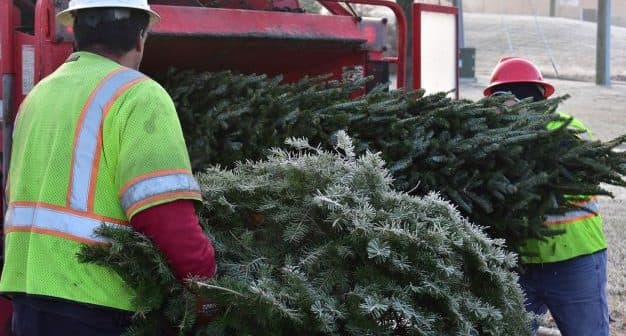
Lane County residents now have a range of options for getting rid of natural Christmas trees after the holidays, from curbside collection where biweekly yard debris service exists to private pickup and drop-off locations. The choices aim to keep trees out of the trash stream and prevent contamination of community compost and mulch facilities.
Curbside pick-up remains available in areas with biweekly yard debris service; residents should place trees where they normally set yard waste for collection. Private pickup services reported published fees: Lane Apex charges $16.50 for tree removal, while Mikkelsen Landscapes offers pickup in the $5 to $10 range. Community organizations including Boy Scouts Troop 182 and local Girl Scouts are also providing volunteer or paid pickup options for homeowners who need doorstep service.
For those willing to transport trees, Lane County transfer stations accept natural Christmas trees. Local sawmills and processors are accepting trees as well: Lane Forest Products will take natural trees for $3 and will accept flocked trees for a $10 fee, recognizing that flocked trees require special handling. Commercial recyclers such as Rexius will accept natural trees arranged by the cubic yard for processing into mulch and compost feedstock.
Proper sorting is important. Natural trees processed into mulch and compost help support municipal landscaping and private landscaping businesses, but flocked trees and other contaminants can introduce plastics, chemical residues and other materials that damage compost quality and disrupt processing equipment. Correct disposal protects the health of community composting operations and the workers who handle yard debris.
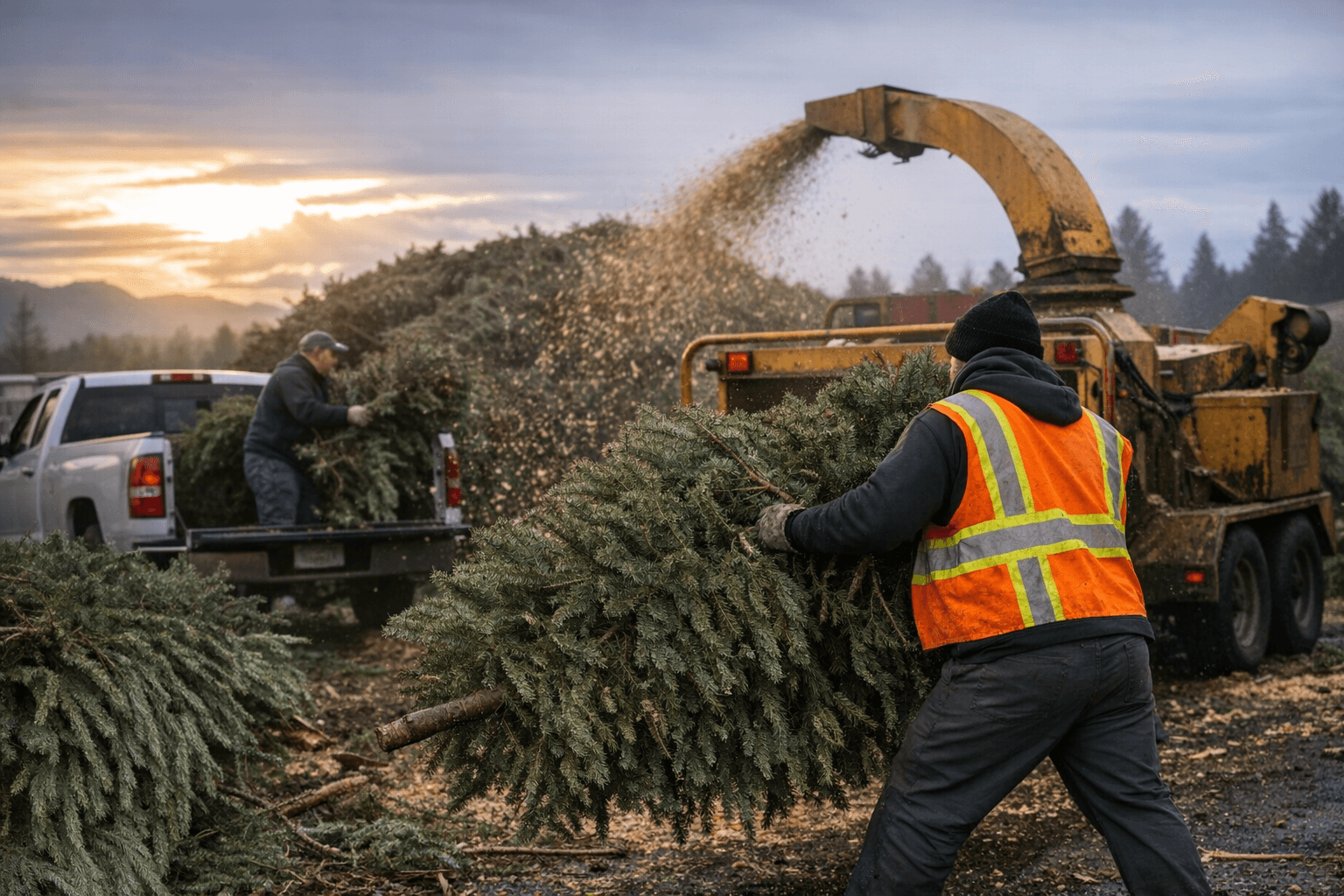
There are equity and access concerns embedded in these choices. Fees, transportation requirements and limited pickup windows can pose barriers for low-income residents, seniors and people with limited mobility. Volunteer pickups by civic groups mitigate some costs, but gaps remain where subsidized or no-cost municipal options could improve access. Local policymakers and waste managers may need to consider targeted outreach, expanded curbside options or voucher programs to ensure safe, equitable disposal.
Residents should sort trees from other yard waste, follow local pickup schedules, and use transfer stations or commercial processors when curbside service is not available. Handling flocked trees separately and paying attention to posted fees helps protect community compost streams and keeps costs predictable. Proper disposal practices reduce landfill use, support local recycling businesses and protect long-term public and environmental health in Lane County.
Sources:
Know something we missed? Have a correction or additional information?
Submit a Tip