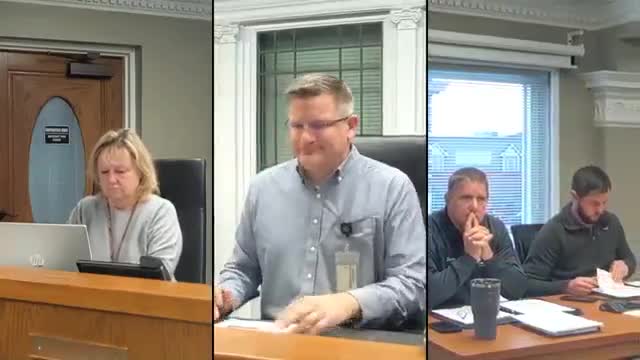
Local Representative Introduces Bill Targeting Non Consensual Abortion Drug Use
State Representative Mark Messmer introduced the Forced Abortion Prevention and Accountability Act on December 5, 2025, a measure that would create federal penalties for administering abortion inducing drugs without a woman s informed consent and would increase penalties when serious bodily injury results. The proposal could affect local clinicians, pharmacies, and mail order providers in Dubois County by adding new criminal compliance obligations and raising questions about enforcement and access.

State Representative Mark Messmer, whose district includes parts of southern Indiana, introduced the Forced Abortion Prevention and Accountability Act on December 5, 2025. The bill would establish federal criminal penalties for intentionally administering an abortion inducing drug to a woman without her informed consent, and would impose enhanced penalties when the act results in serious bodily injury. The measure also targets distribution channels by creating criminal liability for those who sell, ship, mail, or give abortion inducing drugs without reasonable verification of the recipient s status.
The bill s language would extend liability beyond the person directly administering medication to third parties involved in procurement and distribution. That provision has potential implications for local pharmacies, clinics, and telemedicine providers that handle prescription abortion medication, and for patients who obtain medication by mail. If enforced as written, providers could face new criminal exposure for failing to meet documentation or verification standards, which may alter how care is delivered in rural counties including Dubois.
The proposal arrives amid ongoing policy debates over reproductive health regulation and federal versus state jurisdiction. By framing the conduct as subject to federal penalties, the measure raises legal and institutional questions about enforcement responsibility. Federal prosecutors, state law enforcement agencies, and local courts would likely need to clarify coordination, charging standards, and evidentiary thresholds if the bill advances. The measure could prompt litigation over oversight and constitutional authority depending on how enforcement is pursued.

For voters and civic stakeholders in Dubois County the bill underscores how regional representation shapes federal policy proposals. The sponsorship by a local representative means constituent preferences and concerns will be central in any discussion or legislative outreach. Residents seeking to influence the outcome should monitor committee calendars and contact their congressional delegation to express their views, because movement on the measure will depend on votes in legislative committees and on floor consideration.
The legislative timeline and prospects for passage remain uncertain. If the bill proceeds it is likely to trigger public hearings and policy debate about medical practice, patient consent, and the limits of criminal law in health care. Local officials and providers will need to evaluate compliance implications and prepare for potential shifts in service delivery and enforcement.