Local Shelter Seeks Home for Well-Trained German Shepherd
The Humane Society of Elmore County announced on January 5 that Dakota, a six-year-old male German Shepherd found as a stray and never reclaimed, is available for adoption. The dog is well-trained and housetrained, and the shelter says adoption fees include vaccinations, spay/neuter, microchip and a free vet exam—measures that matter for public health and community safety.
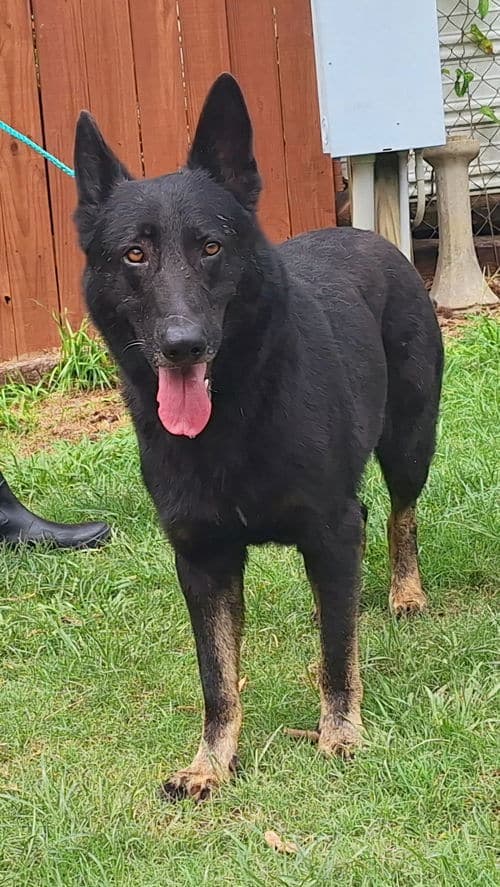
On January 5 the Humane Society of Elmore County posted that Dakota, a six-year-old male German Shepherd originally found as a stray, remains in shelter care after no owner reclaimed him. The shelter describes Dakota as friendly and well-trained; he knows sit, down, speak and shake, is housetrained and leash-trained, is good with both male and female dogs, and weighs about 65 pounds. He was adopted previously but returned after chasing or attempting to catch poultry.
Shelter officials listed the adoption fee and the services included with adoption: mandatory spay or neuter, basic immunizations, de-worming, microchip, a heartworm check for dogs, rabies vaccination when age-appropriate, and a free health exam with a participating veterinarian. Those bundled services reduce barriers to immediate medical care and help protect public health by ensuring animals leaving the shelter are vaccinated and screened for common conditions.
For Autauga County residents, Dakota’s history underscores two practical concerns. First, the inclusion of rabies vaccination and other immunizations in the adoption package reduces the small but serious risk of zoonotic disease transmission in a largely rural county. Second, Dakota’s tendency to chase poultry is a direct reminder that animal temperament and past behavior must be matched to household circumstances; residents with backyard flocks or small livestock should weigh that risk before adopting a large, high-prey-drive dog.
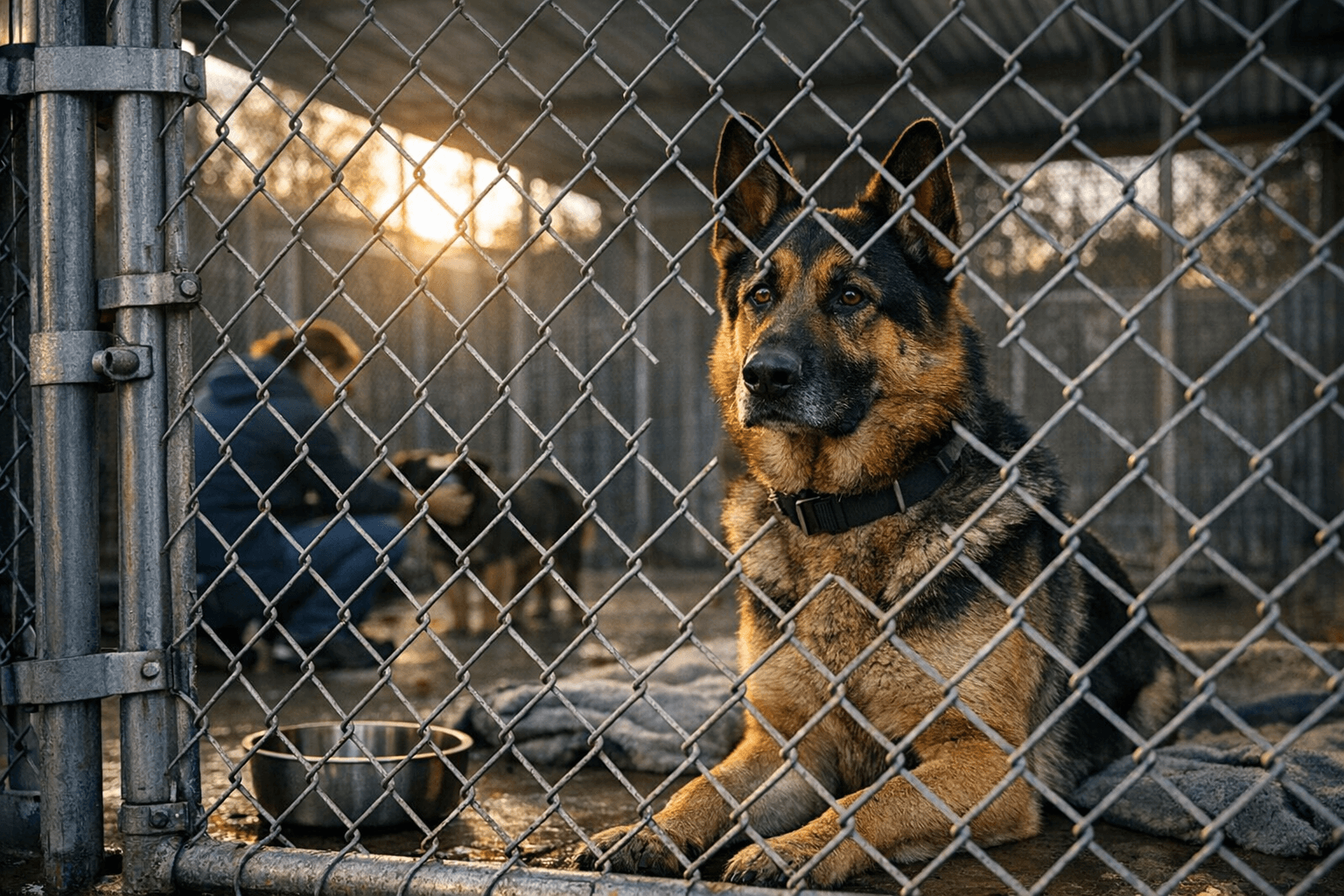
Beyond the immediate case, the shelter’s approach reflects broader public-health and community-safety priorities. Mandatory spay and neuter at adoption helps limit future overpopulation and shelter intake. Microchipping increases the chances that lost pets will be reunited with owners rather than becoming strays. Heartworm testing and basic immunization help lower long-term veterinary costs for adopters and decrease the burden of preventable disease on local clinics.
Adoption fees that bundle veterinary services deliver clear public benefits, though they may present financial challenges for low-income households seeking to adopt. Prospective adopters are urged to contact the Humane Society directly through its online adoption application or by phone to learn more about Dakota, the full cost of adoption, and next steps. Matching animals like Dakota with the right homes—taking into account household composition, existing animals, and local livestock—is a community responsibility that balances compassion for animals with safety and equity for residents.
Sources:
Know something we missed? Have a correction or additional information?
Submit a Tip