Logan County Courthouse Listed on National Register, Anchors Sterling Downtown
The Logan County Courthouse in Sterling was added to the National Register of Historic Places on February 28, 1979, a recognition that underscores its architectural and civic importance. The Classical Revival building built in 1910 continues to house county government offices and local historical displays, shaping downtown Sterling civic life and preservation priorities.
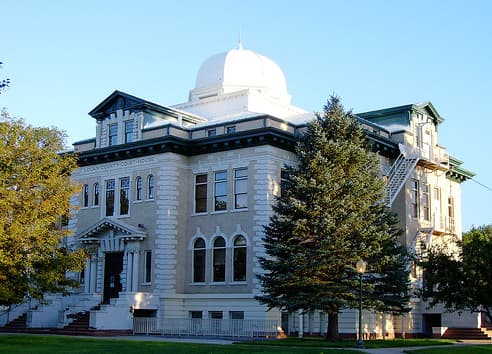
On February 28, 1979 the Logan County Courthouse in Sterling received placement on the National Register of Historic Places, formalizing its status as a building of historical and architectural significance. Designed by architect John J. Huddart and completed in 1910, the courthouse is a prominent example of Classical Revival architecture and anchors the Downtown Sterling Historic District.
The courthouse remains the principal civic building in Logan County. It houses local governmental offices and community historical displays, including local artwork, and features a restored central rotunda that is a focal point for both daily business and public gatherings. As the county seat facility that supports administration and public services the building plays an ongoing role in the delivery of government functions and in community life.
The 1979 listing matters to residents for several reasons. Recognition on the National Register elevates preservation priorities for the courthouse and the surrounding downtown area. That status shapes decisions about maintenance and restoration and influences how local officials balance development and conservation in the historic district. The presence of government offices and visible historical exhibits inside the courthouse also contributes to downtown foot traffic, civic identity, and cultural programming that benefit local businesses and nonprofit organizations.

Institutionally the courthouse sits at the intersection of county administration and heritage stewardship. Logan County government is responsible for day to day operation and upkeep of the building while local historical groups and artists use interior space to display community history and culture. Those overlapping roles make the courthouse a site where policy choices about budgeting, facility maintenance, and historic preservation have direct consequences for public access and civic engagement.
For Sterling residents the courthouse is both a working government center and a tangible link to the county past. Its continued use underscores the importance of informed local participation in decisions about preservation funding, downtown planning, and the programming that brings the building to life for current and future generations.