Logan County Hunting Lands and Tourism Support Local Economy
Logan County markets itself as a sportsman’s destination with thousands of acres of public hunting land and a Walk-In Access program that opens private parcels to licensed hunters. These resources boost seasonal tourism, sustain local guides and lodging, and shape community conversations about access, safety, and the public health benefits of outdoor recreation.
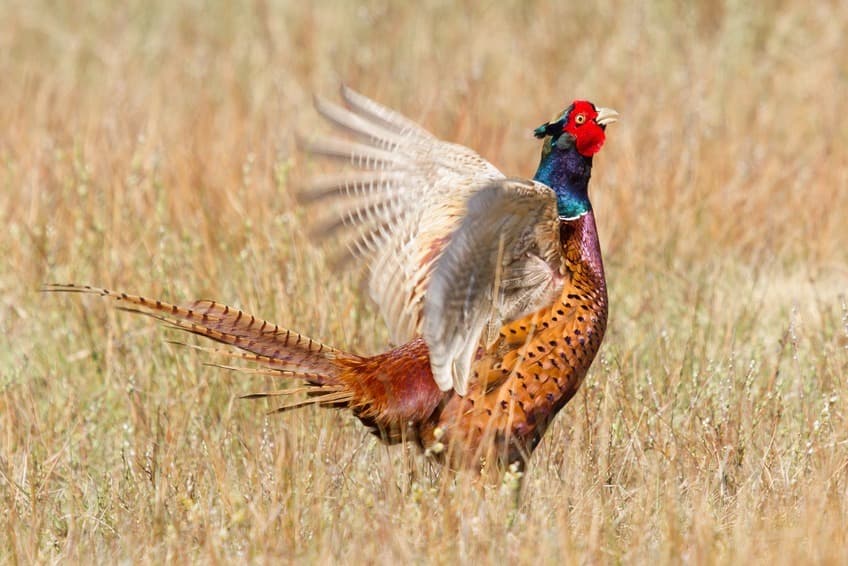
Logan County offers a broad mix of hunting and outdoor opportunities that matter to residents and the local economy year-round. The county includes more than 16,000 acres of public hunting land and about 17,000 acres enrolled in a Walk-In Access program that allows licensed hunters to use certain private lands for small game, waterfowl or furbearer hunting. Common game listed for the area includes dove, quail, ring-necked pheasant, rabbit, raccoon, bobcat, coyote, deer and pronghorn.
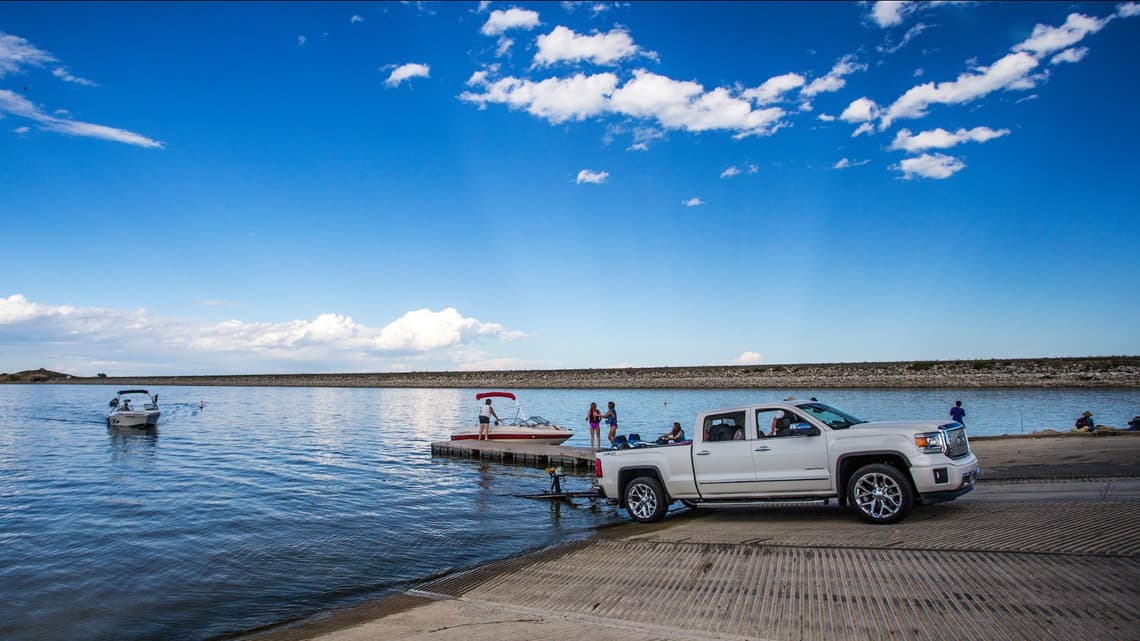
Key locations draw hunters and wildlife watchers alike. North Sterling Reservoir State Park is highlighted for premier goose hunting and regular waterfowl flights, while the Proctor area is known for quail, pheasant and waterfowl opportunities. Sterling’s reputation in upland bird hunting has been recognized with a place on a national list of top pheasant hunting towns, a distinction that reinforces the county’s role in regional outdoor tourism.
The presence of extensive public access and walk-in acres has concrete local effects. Seasonal hunters support hotels, restaurants, fuel and outdoor outfitters; local guides and transport services count on fall and winter bookings. For many residents, hunting is also a source of food and family tradition, and access programs can reduce barriers for people who cannot afford private leases. At the same time, the mix of public and private lands makes clarity about access rules and respect for private property critical to preventing conflicts.
There are public health and safety dimensions to consider as the county manages outdoor recreation. Hunting can contribute to physical and mental health through outdoor activity and community networks, and wild game can supplement household food security. Ensuring safe participation requires ongoing investment in hunter education, emergency response capacity in remote areas and clear signage on access parcels. Wildlife management and habitat conservation remain essential to sustaining game populations and protecting non-hunting recreational users.
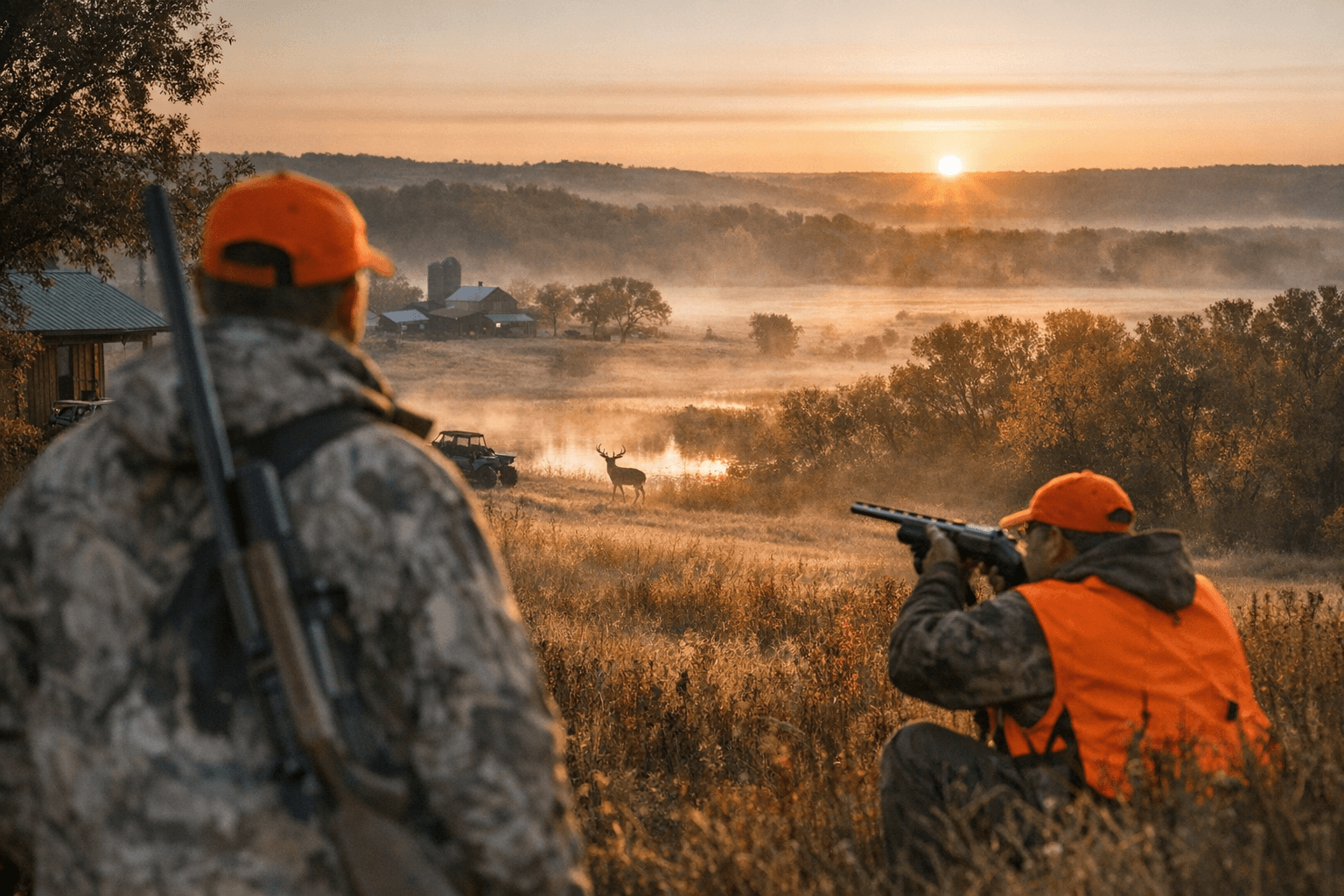
Policy choices at the county and state level will shape how equitable access and economic benefits are distributed. Continued support for public hunting lands and for programs that open private land to licensed hunters helps maintain affordable access, but it requires funding and coordination with private landowners. Local officials, public health planners and conservation groups can align efforts to protect habitat, promote safety and maximize the social and economic returns of outdoor recreation.
For Logan County residents, the county’s hunting resources are more than a tourism pitch: they are a living part of the local economy, recreation landscape and household livelihoods. Visitors and residents alike are advised to follow posted rules, practice safe hunting, and respect private property as the community balances opportunity, conservation and public wellbeing.
Sources:
Know something we missed? Have a correction or additional information?
Submit a Tip