M State Doubles Cannabis Career Programs, Expands Rural Workforce Training
Minnesota State Community and Technical College expanded its online cannabis career certificate offerings on December 11, 2025, updating three existing programs and adding three new options. The move aims to prepare Otter Tail County residents for jobs in the growing legal cannabis and hemp product market, while addressing workforce, public health, and equity concerns in rural communities.
Minnesota State Community and Technical College announced on December 11, 2025 that it has doubled its online cannabis certificate programs, updating the original three curricula and adding three new certificates. The expansion brings the total number of options to six and is described by college officials as a workforce development effort to prepare students for employment in the rapidly evolving legal cannabis and hemp product market.
M State first entered cannabis education in January 2024 when it partnered with Green Flower, becoming the first two year college in Greater Minnesota to offer such coursework. The initial program set focused on cannabis cultivation, retail, and extraction and product development. The newly launched certificates are Cannabis Associate, Cannabis Compliance Specialist and Medical Cannabis Specialist. College officials said the programs aim to lead to practical outcomes including employment, career advancement and small business launches.
For Otter Tail County residents the expansion offers both opportunity and new responsibilities. The online format lowers barriers for rural students who may otherwise need to travel for training, making career focused education more accessible and affordable. Local employers in agriculture, retail, laboratory services and health care may find a broader pool of workers with training in cultivation, product formulation, regulatory compliance and patient centered applications of medical cannabis.
Public health and regulatory implications are central to the change. Training in compliance and medical cannabis supports safer business practices, clearer patient guidance and better alignment with state rules for hemp and cannabis products. That may reduce risks related to product quality, dosing errors and improper marketing while helping businesses meet licensing requirements.
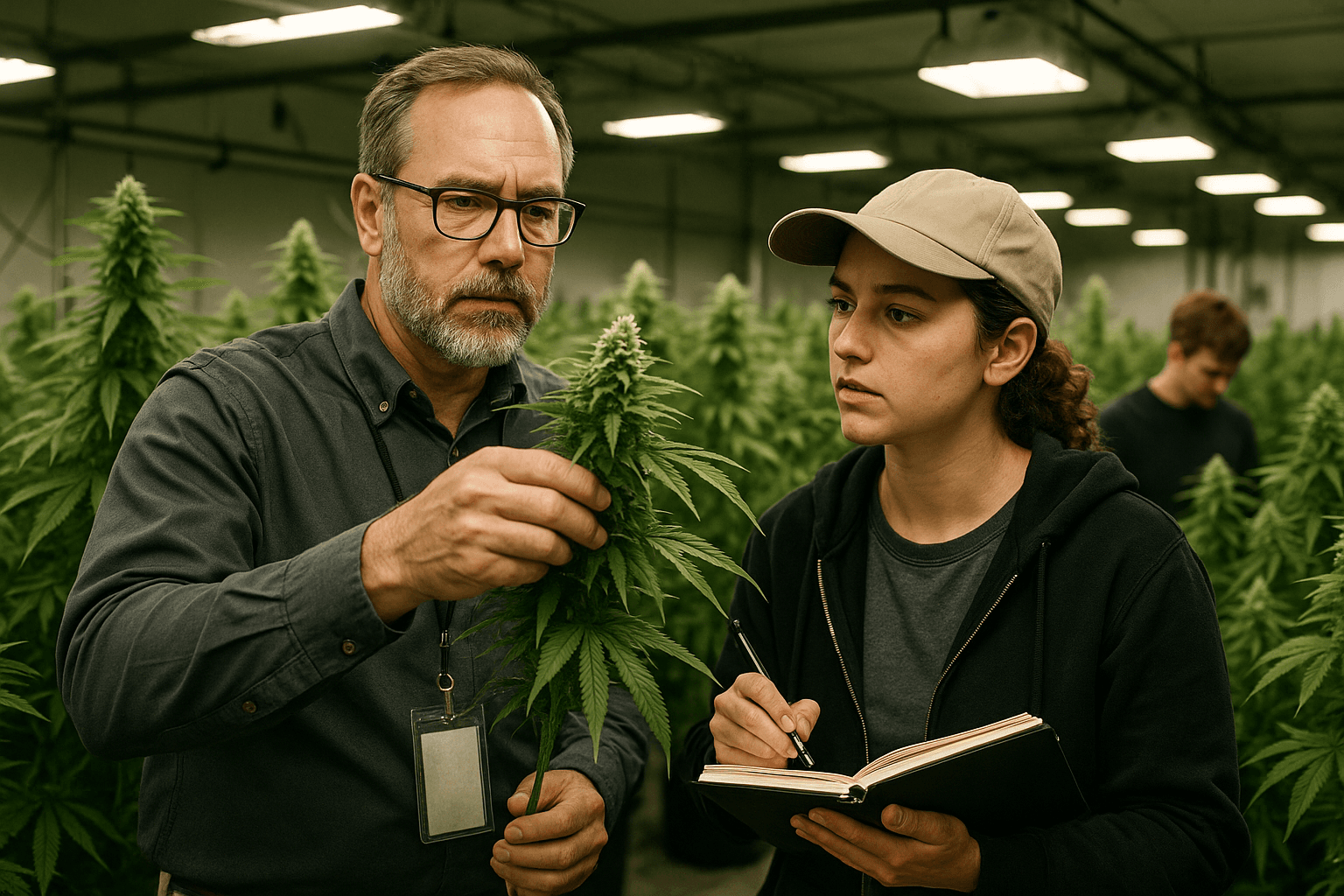
The expansion also raises questions of social equity. Accessible certificate programs at a community college can help residents who face economic or geographic barriers access new careers, and can support small business development in rural economies. At the same time communities will need coordinated public health education and local policy work to ensure protections for youth, workplace safety and equitable participation in the emerging market.
Students and job seekers in Otter Tail County can enroll through M State to pursue these new certificates and help shape how the regional cannabis economy develops while balancing health and equity priorities.
Sources:
Know something we missed? Have a correction or additional information?
Submit a Tip