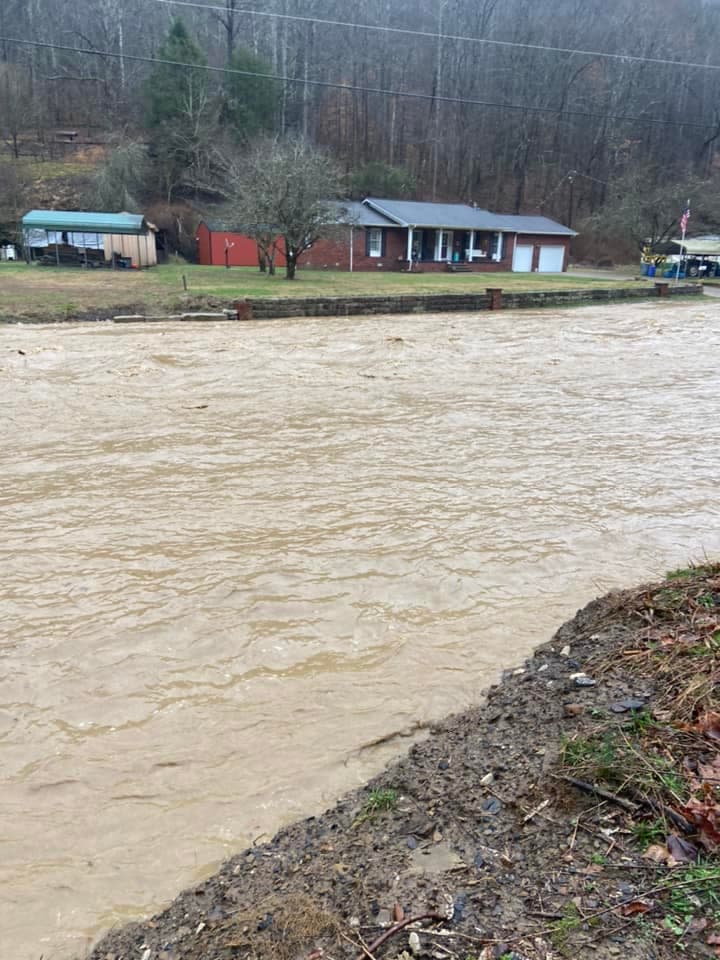
Major Water System Failures Leave Hazard Residents Waiting For Service
Several Perry County neighborhoods experienced multi day water outages after thawing frozen pipes caused dozens of breaks and a major failure that drained main storage tanks. The disruption left thousands without reliable water, exposed vulnerabilities in local infrastructure, and prompted emergency deliveries and repairs that will shape policy debate on utility resilience.
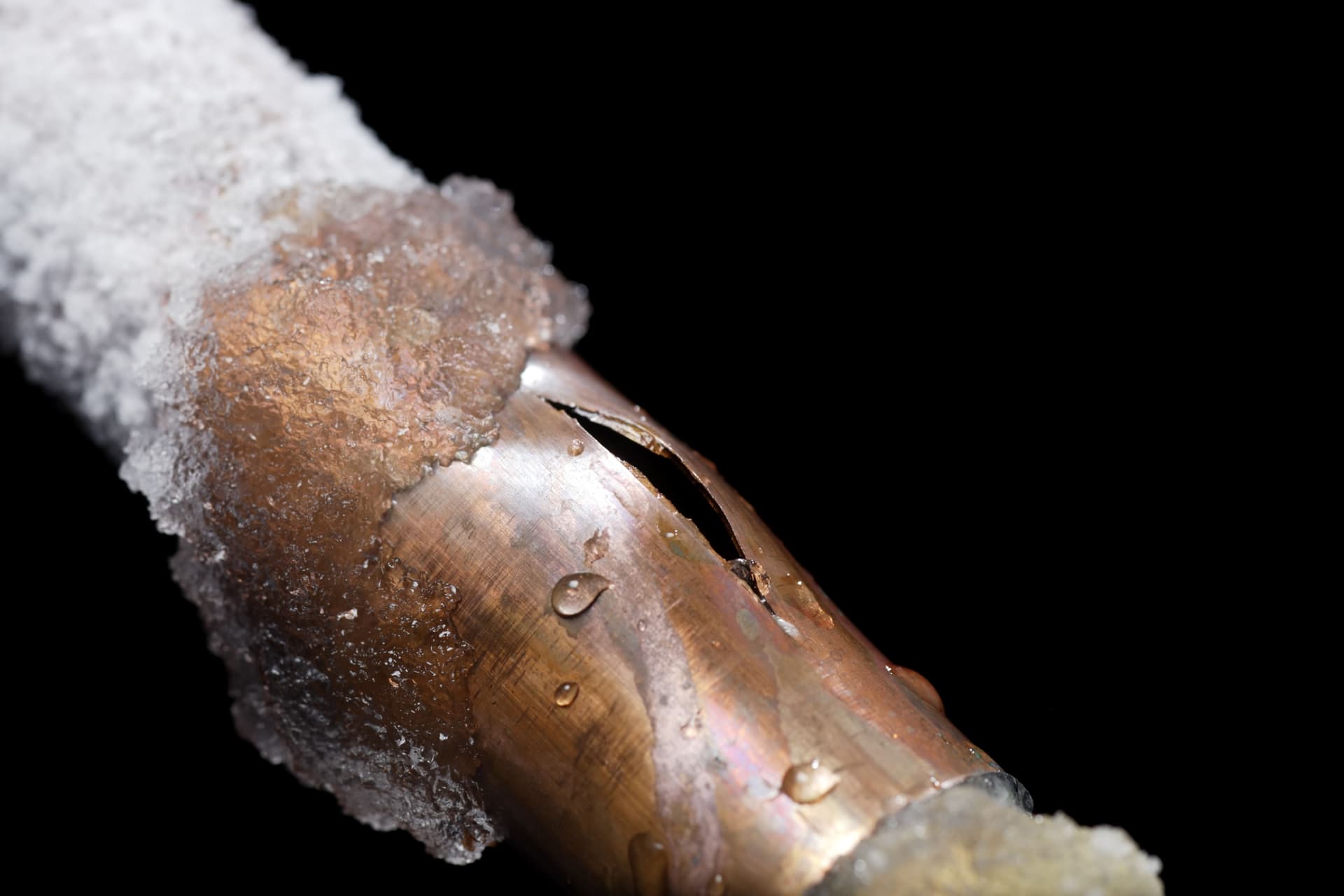
Hazard residents faced a prolonged loss of water service after an extended freeze caused frozen pipes to thaw and fracture across the distribution system. Small breaks multiplied and a major break on Highway 476 depleted main storage tanks, forcing city officials to shut off service to several neighborhoods and leaving many households waiting up to six days for running water as of December 13, 2025.
City crews reported nearly 80 water line breaks overall, and repair teams worked around the clock to patch ruptures and refill storage tanks. Hazard's water treatment plant processes roughly five million gallons per day and serves about 29,730 residents, amplifying the scale of the outage and the logistical challenge of restoring supply. Officials prioritized delivery of treated water toward Buckhorn, and later directed supply to Bulan and Pine Valley as individual tanks were brought back online.
City Manager Tony Eversole explained that refilling storage tanks requires flow from upstream reservoirs, creating a cascading sequence for restoration rather than isolated restarts. Mayor Donald Happy Mobelini indicated that some residents could expect water later in the week as tanks completed refilling. Meanwhile, the city and Perry County coordinated water deliveries to affected residents and to local fire departments to maintain emergency response capacity.
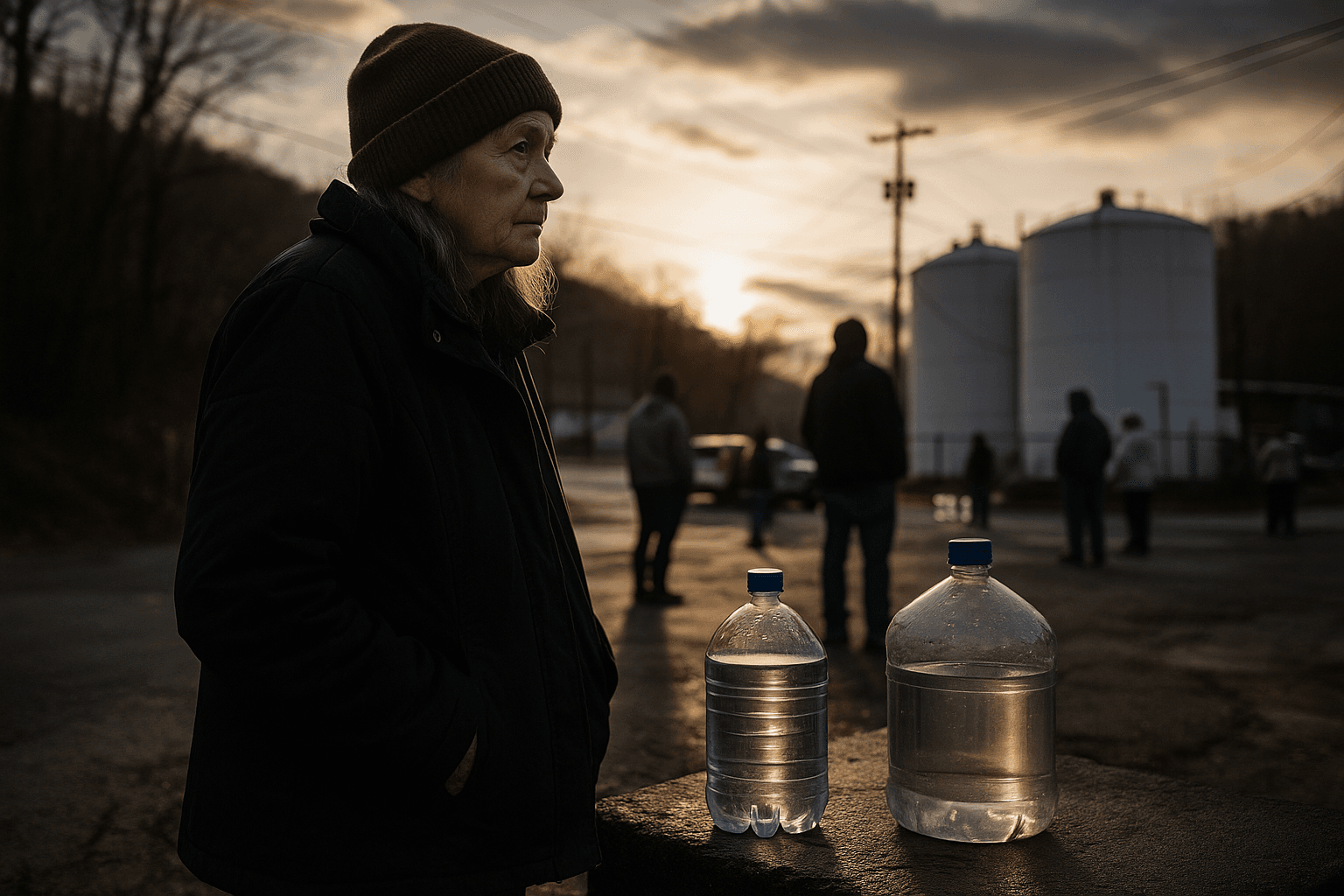
The immediate community impact included limited household water for drinking cleaning and sanitation, additional burdens on older residents and households with medical needs, and increased strain on volunteer and municipal responders. The pattern of failures underscores institutional challenges, including aging pipe networks susceptibility to extreme weather and the limits of existing storage redundancy.
Policy implications are clear for local leaders and voters. Elected officials and utility managers will need to consider investments in pipeline replacement increased winterization measures expanded emergency reserves and clearer communication protocols for rapid distribution during outages. The episode is likely to drive demands for a comprehensive review of system resilience and budget choices that affect long term reliability.
Residents should monitor official city and county communications for updates and instructions on water use and distribution. Public oversight and timely reporting will be important as officials move from emergency response to recovery and longer term infrastructure planning.
Sources:
Know something we missed? Have a correction or additional information?
Submit a Tip