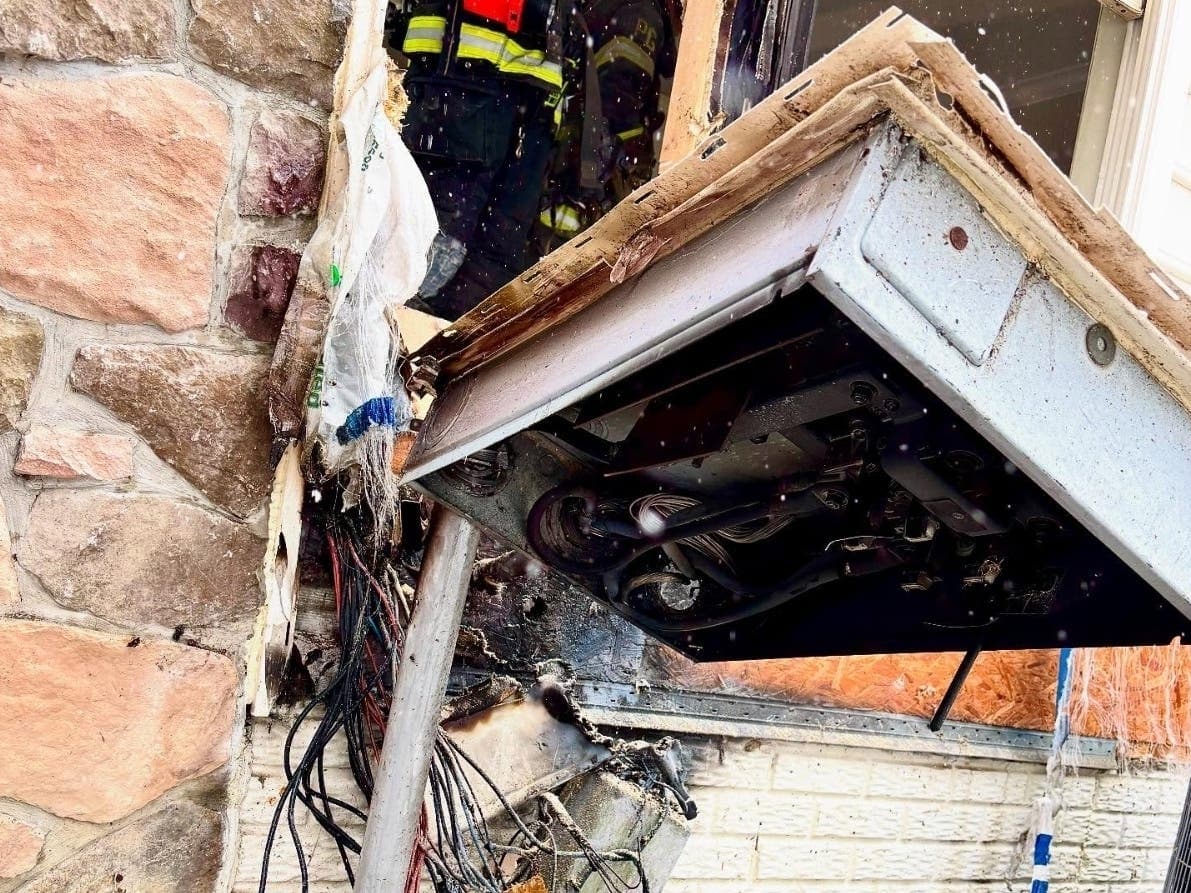
Man killed at Fairmount Heights lounge, private guard fired during altercation
A 50 year old man from Waldorf was shot and killed late Monday inside the Ebony Inn restaurant and lounge in Fairmount Heights after a private armed security guard intervened in a dispute. The incident has left staff and patrons shaken, raised fresh questions about private security rules, and prompted an ongoing police investigation that matters for local business safety and neighborhood confidence.

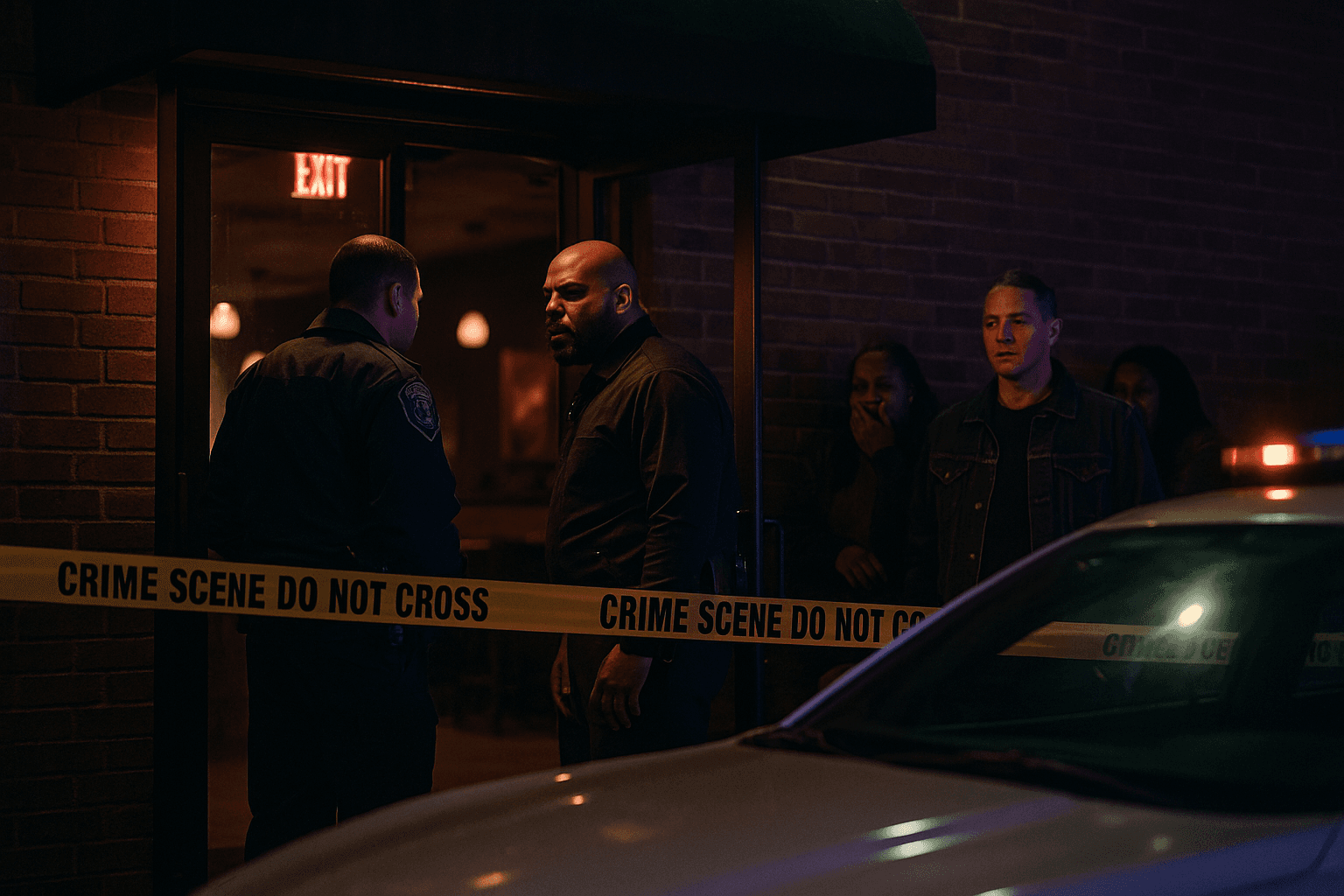
Prince George's County police said Donald Wayne Hunt, 50, was found dead at the scene after a shooting at the Ebony Inn in Fairmount Heights shortly before midnight on December 9, 2025. Officers received a call at 11:50 p.m. from people who had locked themselves inside a freezer and reported that shots had been fired following an argument in the lounge and club area attached to the barbecue restaurant. Police found Hunt suffering from a gunshot wound and he was pronounced dead at the scene.
According to investigators, a private armed security guard who worked at the establishment fired one of the shots while attempting to intervene in an argument involving Hunt and several other customers. Responding officers recovered a second firearm on the property and a dark colored SUV was towed from the scene before the area was cleared. No charges have been announced and the homicide unit continues to investigate. Police asked anyone with information to contact them.
The immediate human toll is clear. Employees and patrons who hid in a freezer experienced acute fear and trauma, and the business will face disruption as investigators secure the property and as community members reassess safety at evening venues. For other small restaurants and nightlife operators in Prince George's County, the episode underlines operational risks tied to late night service, staff safety, and the use of private security.
From an economic and policy perspective, the shooting could have ripple effects. Local owners may face higher insurance premiums, additional compliance costs if regulators tighten rules on armed security, and potential revenue losses if customers avoid nightlife venues. The event also spotlights unresolved questions about training standards, oversight, and liability for private security personnel who are used to manage conflicts that can involve weapons. Those questions shape long term community safety and the business climate for hospitality and entertainment.
The county faces the dual task of supporting victims and workers while reviewing whether existing rules and enforcement practices adequately prevent lethal encounters. The investigation will determine criminal accountability. In the meantime residents and local businesses will be watching for policy responses that balance safety, legal clarity, and the economic health of community gathering places.