Manakin-Sabot Huguenot Heritage Shapes Goochland Preservation Policy and Planning
The early 1700s settlement of Manakin-Sabot by French Huguenot refugees left a concentration of historic homes and plantations that continue to influence Goochland County's land use choices and civic priorities. As county leaders and residents weigh preservation, development, and tourism, decisions about sites such as Tuckahoe, Sabot Hill, Woodlawn and Clover Forest will affect local identity, property values, and public engagement.
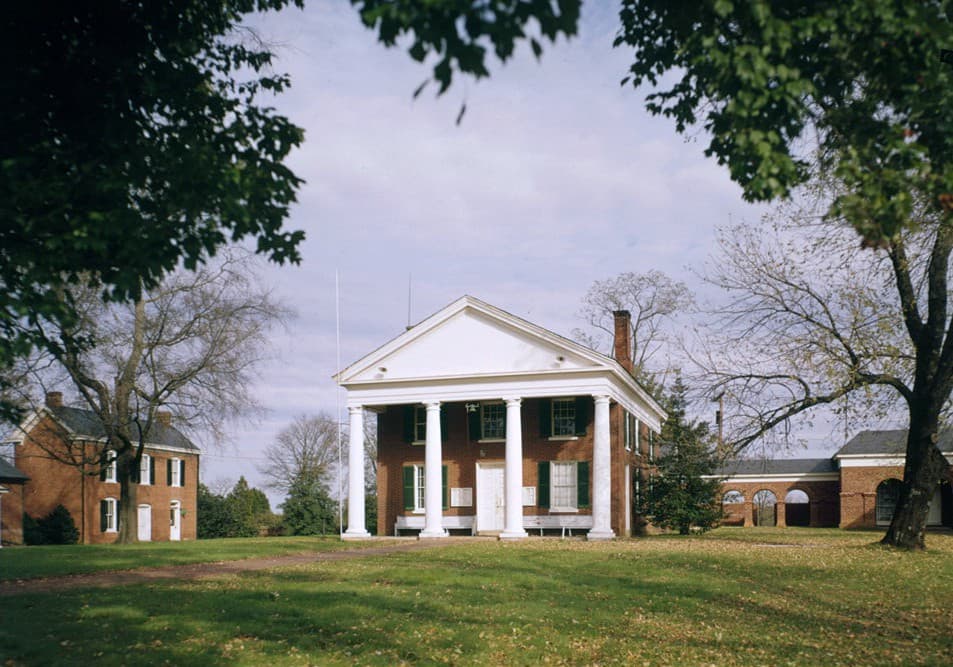
The colonial settlement of Manakin-Sabot by French Huguenot refugees in the early 1700s established a cultural and architectural foundation that remains visible across eastern Goochland County. Large estates and plantations, including Tuckahoe, Sabot Hill, Woodlawn and Clover Forest, embody settlement patterns from that era and anchor ongoing discussions about how the county manages historic resources, development pressure and public access.
Goochland County preserves and curates local historical material that summarizes these sites and traces the county’s role in the larger reorganization of surrounding counties carved from original Goochland territory. That institutional record serves as a practical reference for preservation planning, heritage tourism strategy, and community projects seeking to interpret and conserve the built landscape.
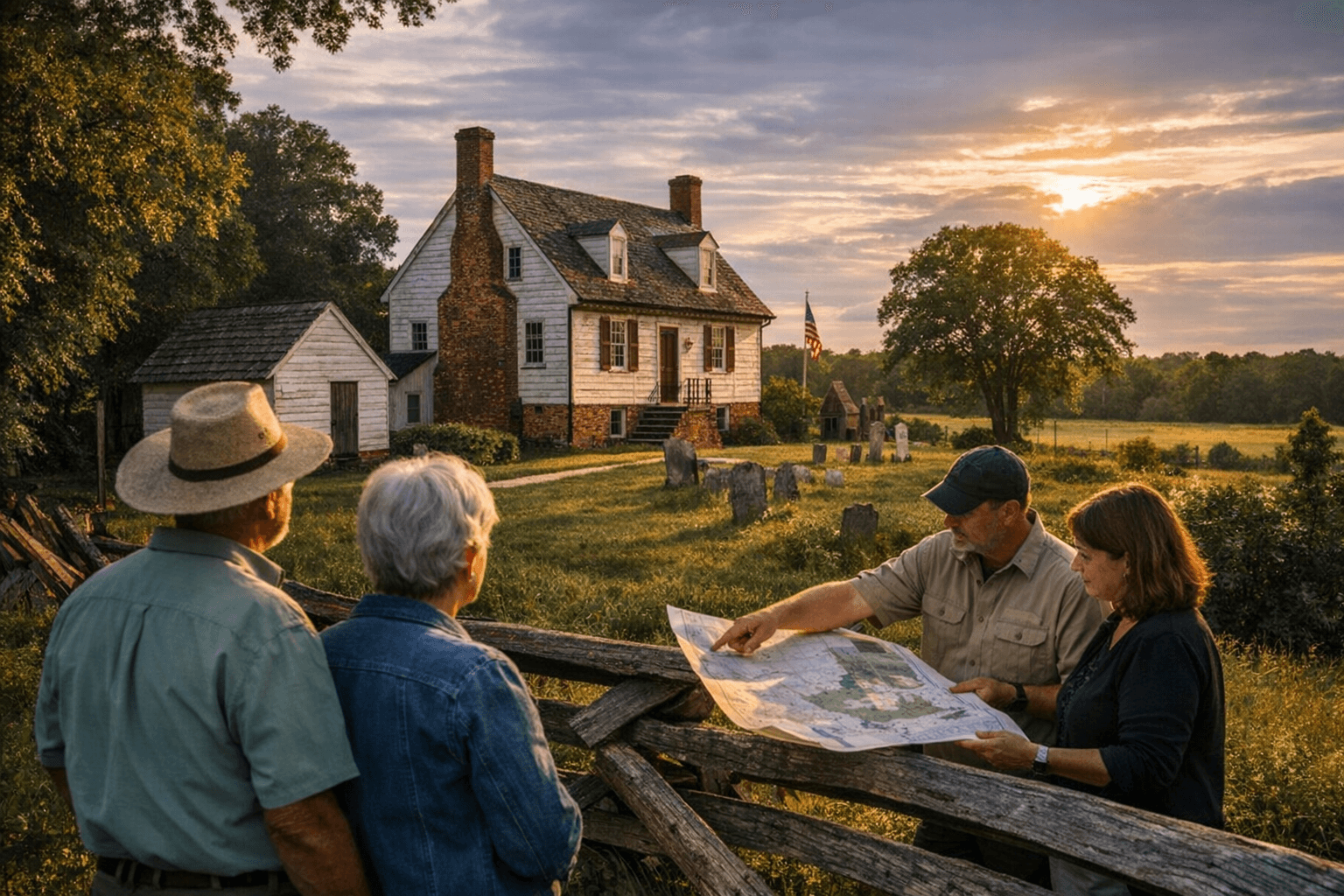
Policy choices at the county level carry tangible impacts for residents. Zoning and subdivision rules govern lot sizes, setbacks and land use around historic properties; tax and incentive structures influence property owners’ willingness to maintain old structures; and public funding priorities determine whether sites receive interpretive signage, maintenance assistance, or inclusion in tourism promotion. Those decisions in turn affect property values, school curricula that teach local history, and the economic potential for small businesses tied to heritage visitation.
Multiple stakeholders are implicated. County elected officials and planning staff set rules that shape outcomes. Local historical organizations and property owners steward buildings and landscapes. Developers and landowners evaluate the economic tradeoffs of conservation versus new construction. Residents who participate in planning commission and Board of Supervisors meetings help define the balance between growth and preservation.
For Goochland voters and civic actors, the presence of well-documented Huguenot-era sites means preservation is not merely cultural; it is a public policy issue tied to land use governance, fiscal priorities and community character. Maintaining the county’s historic assets will require transparent decision making, clearly communicated incentives for preservation, and sustained civic engagement at public hearings and budget decisions. Goochland’s historical resources offer both a legacy to protect and an instrument for local planning, making heritage management a central consideration in the county’s future growth and identity.
Sources:
Know something we missed? Have a correction or additional information?
Submit a Tip