Manakin Sabot past shapes Goochland County growth and preservation
Manakin Sabot's centuries old history as a French Huguenot settlement and earlier Monacan homeland remains central to life in eastern Goochland County, and that legacy is influencing land use, housing and local identity today. As growth pressure from the Richmond metro reaches the James River corridor, decisions about preservation, zoning and infrastructure will affect property values, community character and county finances.
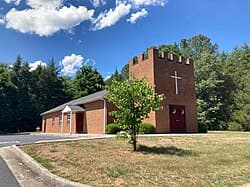
Manakin Sabot sits on the James River in eastern Goochland County, a village area whose origins reach back to an early 18th century settlement of French Huguenot refugees established near an earlier Monacan presence. Over time the original Manakin Town dispersed into farms and plantations and evolved into the present day villages of Manakin and Sabot. The area still contains historic homes, churches and local landmarks that anchor its identity and attract residents and visitors.
For Goochland County, a jurisdiction with roughly 25,000 residents located about 20 miles west of Richmond, Manakin Sabot is not only a cultural asset but an economic and planning concern. Historic properties and open farmland tend to support stable residential demand, but they also raise questions about how to manage infrastructure costs, maintain roads and services, and steer new construction in ways that respect the historic fabric. Preservation status or local design controls can increase maintenance obligations for owners while supporting higher property values in neighborhoods where character is protected.
Market signals from the broader Richmond region are moving outward, increasing demand for rural residential properties within commuting distance. That trend can raise land values and generate tax revenue, but it can also accelerate conversion of farmland to subdivision and pressure historic sites. From a fiscal perspective the county must weigh short term development revenue against long term costs for schools, transportation and utilities that accompany more intensive residential growth.

Policy tools that align with preservation and fiscal sustainability include targeted zoning, incentives for conservation easements, and programs that encourage rehabilitation of historic structures rather than demolition. Transfer of development rights and carefully staged infrastructure investments can concentrate growth where the county can support it while protecting riverfront and historic parcels.
For Goochland residents, decisions made now will determine whether Manakin Sabot retains its rural and historic character or becomes more suburban in form over the next decades. Preserving the community’s landmarks and landscapes will require a combination of local planning, homeowner engagement and financial tools that balance heritage with responsible growth.