Manufacturing Remains Central to Perry County Economy and Identity
Tell City and Perry County continue to rely on a deep manufacturing legacy anchored by furniture and iron and metal production, with surviving factories, the Tell City River Port and the Hoosier Southern Railroad keeping goods moving. That industrial base matters to local families because it supports jobs, shapes workforce training and school to work partnerships, and frames local economic development decisions.

Manufacturing supply chains and the visible infrastructure of industry remain a defining feature of Perry County. The community grew around companies such as Tell City Chair and a cluster of iron and metal shops, and those roots still show in surviving factory buildings, river port facilities and active rail connections. The Tell City River Port and the Hoosier Southern Railroad provide logistics capacity that local employers still use to ship finished goods and receive inputs, linking county firms to regional and national markets.
Today manufacturing continues to be a major local employer and a focal point of county economic development planning. County leaders and employers frequently discuss manufacturing in workforce training meetings and in school to work partnerships that aim to move students into local jobs. Small museums and occasional heritage exhibits highlight chair making and foundry work, while merchants and festivals draw on that past to promote tourism and community pride.
The local economic stakes are practical as well as cultural. Manufacturing jobs support household incomes and tax bases, and the presence of port and rail options reduces transportation bottlenecks for employers considering expansion or relocation. At the same time reliance on manufacturing exposes the community to sector specific cycles, shifting trade patterns and technological change. Automation and rising skill requirements across the industry mean that workforce development programs must evolve to keep pace.
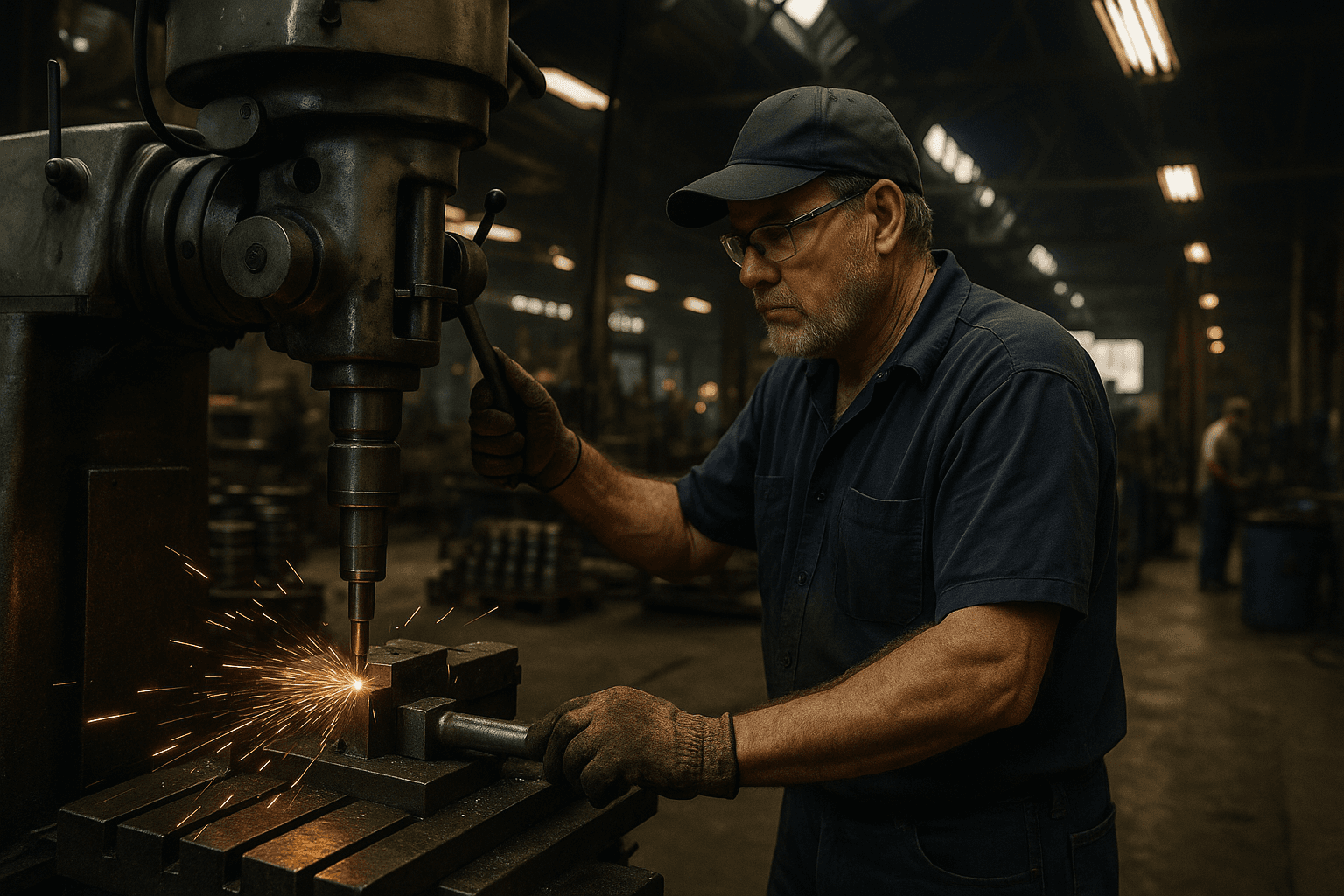
Policy choices in Perry County will shape how that transition happens. Investments in training and apprenticeships, stronger coordination between schools and employers, and maintenance of port and rail infrastructure would help protect existing jobs and attract higher value activity. Economic development strategies that combine preservation of the county identity with targeted support for advanced manufacturing could broaden opportunities while maintaining the community character built around furniture and metal work.
For residents the clear message is that manufacturing is not only part of the past, it is an active part of the present economy. Continued attention to training, infrastructure and business climate will determine whether Perry County can convert its industrial heritage into sustainable economic opportunity for the next generation.
Sources:
Know something we missed? Have a correction or additional information?
Submit a Tip