Marks Mule Train Legacy Sparks Heritage Tourism and Preservation Effort
Marks’ role in the 1968 Poor People’s Campaign and the Mule Train that set out from the town to Washington D.C. is being formally documented in federal historic preservation records, and National Park Service materials list projects to commemorate that legacy. Quitman County officials and local preservation advocates are working with federal partners on interpretive markers and a trail to preserve memory and potentially attract heritage tourism and educational visitors.

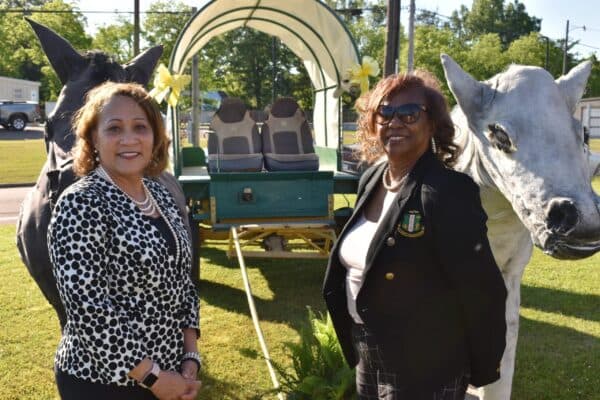
Federal historic preservation listings and National Park Service materials now document projects aimed at commemorating Marks’ central role in the 1968 Poor People’s Campaign, including plans for interpretive markers and a trail that explains Dr. Martin Luther King Jr.’s visits to Marks and the route and meaning of the Mule Train. Earlier National Park Service grant listings identify the Marks Mule Train and MLK’s Poor People’s Campaign Interpretive Trail as a project tied to Quitman County government efforts to design and install interpretive elements at sites connected to those events.
The documentation represents a formal recognition of the town’s place in national civil rights history. The Mule Train that left from Marks to Washington D.C. in 1968 has long been cited by local advocates as a touchstone of community memory, and the new preservation work aims to translate that memory into physical markers, guided trails, and educational interpretation. County officials have prioritized these sites as anchors for heritage tourism and local history programming.
From an economic perspective the projects create a pathway for federal funding and technical assistance that can lower the cost of building interpretive infrastructure. Federal listings and National Park Service involvement typically open eligibility for grants and professional conservation support, which can be decisive for a small county managing limited budgets. Properly implemented interpretive elements can broaden the county’s tourism offerings, support local businesses, and create opportunities for school visits and community events that reinforce civic identity.

Policy implications include coordination among county government, preservation advocates, and federal agencies to meet standards for interpretive content and site protection. Decisions about signage placement, trail routing, and interpretive themes will affect both the integrity of historic sites and the visitor experience. Long term, integrating the Mule Train story into regional tourism networks could support sustained visitation, but it will require ongoing maintenance funding and a strategy to connect visitors with local services and programming.
For Marks and Quitman County the effort is both cultural and economic. The projects under National Park Service consideration aim to preserve a nationally significant narrative while providing a framework for heritage tourism that could help the county translate memory into measurable community benefit.
Sources:
Know something we missed? Have a correction or additional information?
Submit a Tip