Marvell faces population decline, community projects shape local future
Marvell is showing modest population decline since the 2020 census, while city leaders and local partners pursue parks, a bike trail and clinic initiatives supported by grants and partnerships. These trends matter because they affect school enrollment, local services and the tax base that funds everyday priorities in this small Phillips County city.

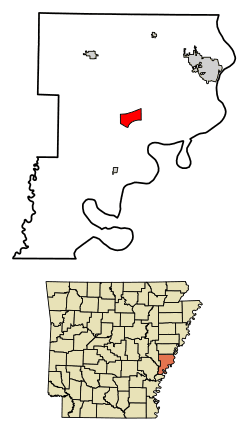
Marvell, a small city in Phillips County with ZIP 72366, occupies roughly 1.4 square miles and had a residential population of 855 in the 2020 census. Formed around the railroad in the late 19th century, the city retains a Delta river and agricultural economic base even as population estimates show a modest decline in recent years. That demographic shift is central to ongoing local planning and civic action.
Municipal and community projects in Marvell aim to maintain quality of life and attract investment. Recent development has included Marvell City Park and a bike trail built on an old rail corridor. Civic institutions such as the public library and localized medical clinic initiatives have been advanced through community grants and partnerships. Local education is provided by the Marvell Elaine School District, which operates Marvell Primary School and Marvell High School, and by Marvell Academy, a private K to 12 school that serves families in and around the city.
The combination of shrinking population and active community projects creates a set of policy challenges. A smaller population puts pressure on the local tax base and on school enrollment figures, which in turn affects state funding formulas and district budgeting. Reliance on grants and outside partnerships for clinic and recreational projects improves services in the near term, but it increases the importance of sustaining operational funding and coordinating among municipal leaders, school officials and nonprofit partners.

For residents, the immediate impacts center on access to basic services and amenities. Investments in parks and trails can enhance health and tourism prospects, while the clinic efforts address local medical access that larger hospitals may not provide. For elected officials and civic leaders, maintaining transparency about project costs and long term maintenance obligations will be essential. Demographic trends also have implications for representation and voting patterns, as population shifts can influence turnout and resource allocation in local elections.
Marvell faces the twin tasks of preserving community assets built on its railroad and Delta river heritage, and adapting institutions to a smaller population. That will require continued coordination among the school district, local government, grantmakers and residents to align funding, service delivery and civic engagement with the citys evolving needs.
Sources:
Know something we missed? Have a correction or additional information?
Submit a Tip