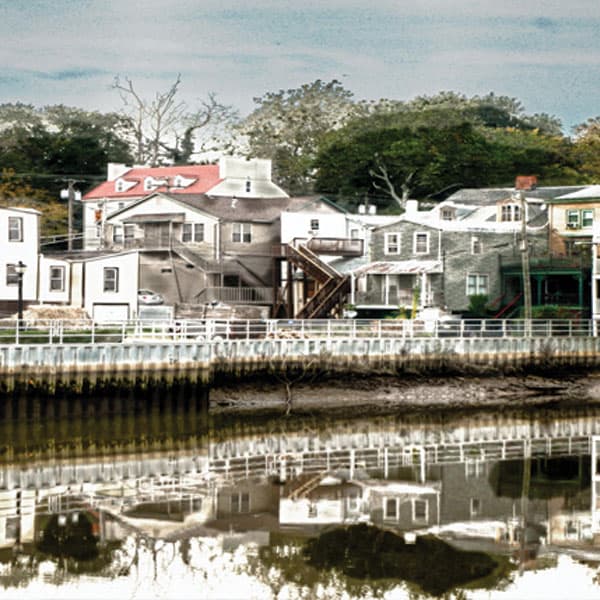
Maurice River and Delaware Bayshore Offer Year Round Recreation and Stewardship
The Maurice River and nearby Delaware Bayshore provide Cumberland County residents with year round opportunities for boating, paddling, birdwatching, and fishing, along with access to marshes and wildlife areas. These natural assets support local commerce and culture, but they also require attention to water quality advisories, tide planning, and equitable public access.
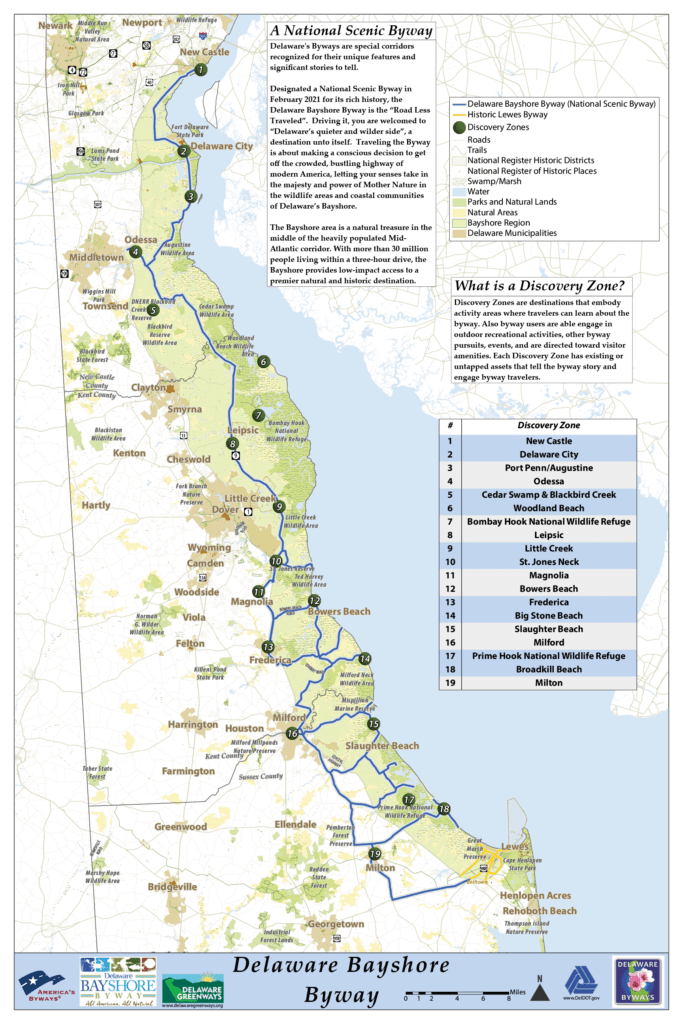
The Maurice River corridor and the adjacent Delaware Bayshore remain cornerstone outdoor resources for Cumberland County, drawing residents for boating, paddling, birdwatching, and both saltwater and freshwater fishing. Public access points in places such as Port Norris and Leesburg make launches and shoreline visits possible throughout the year, while small marinas and local outfitters provide launches, equipment rental, and guided trips that connect more people to these coastal and estuarine landscapes.
The bayshore is an important habitat for wintering waterfowl and a host of migratory species, making fall and spring migration months especially productive for birdwatchers, and the winter months valuable for viewing waterfowl concentrations. Anglers take advantage of tidal flats and river channels for a range of species, and oyster and other shellfish beds remain a vital part of local commerce and cultural life. Visitors and harvesters should check New Jersey Department of Environmental Protection advisories before collecting shellfish to avoid exposure to contaminated seafood and protect public health.
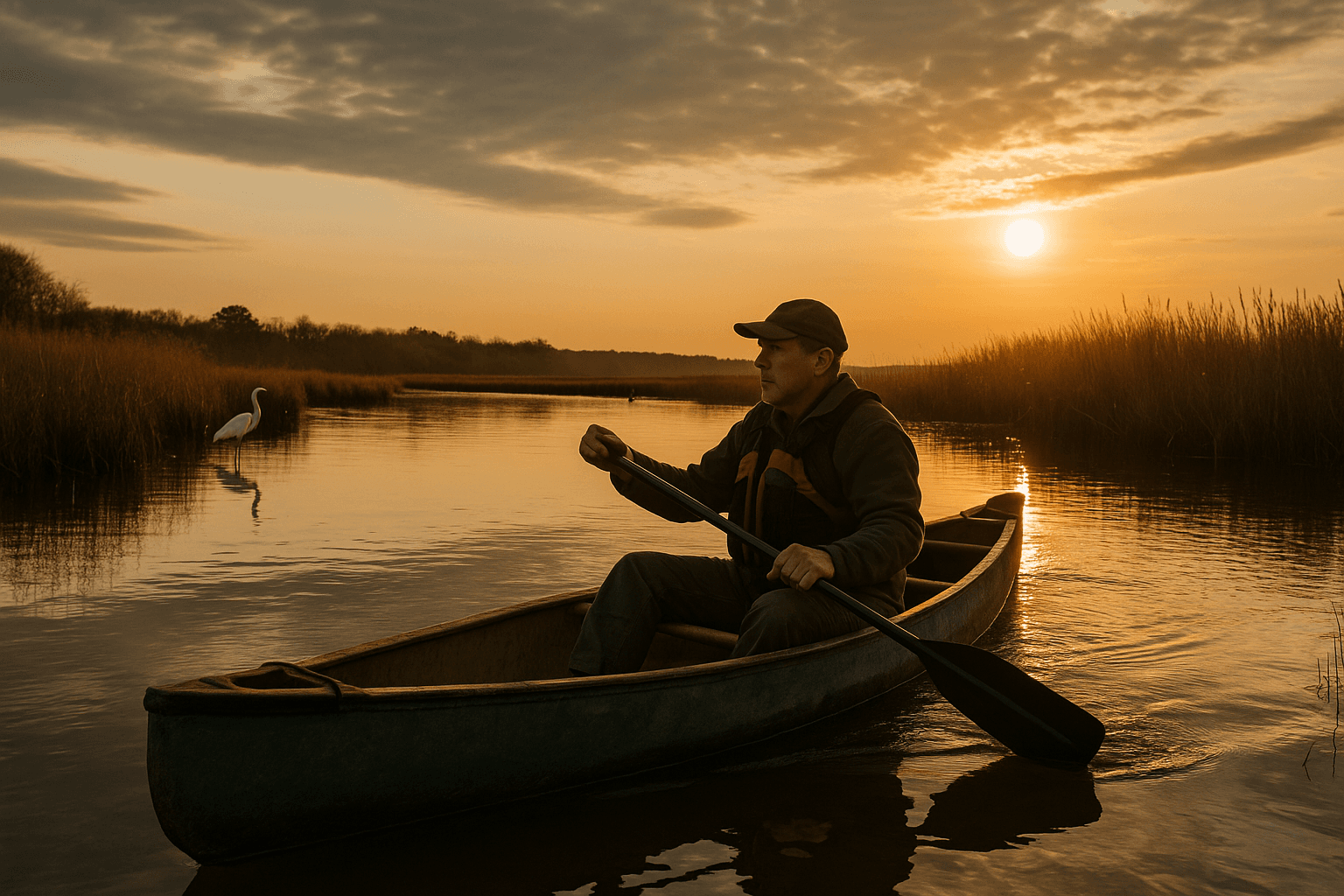
Paddlers need to plan around tides and currents, as shallow channels and exposed mudflats can shift with tidal cycles. Local outfitters and public land managers can provide current conditions and guided trips that reduce safety risks for less experienced boaters. Marshes and wildlife areas offer low cost recreation and nature access, but maintaining those access points requires ongoing investment in boat launches, parking, and signage so that residents without private watercraft can still participate.
The public health implications extend beyond recreation. Water quality determines whether shellfish are safe to eat, and degraded habitats reduce the bayshore capacity to support wildlife and buffer storms. County and state agencies along with nonprofit conservation groups play a role in monitoring, education, and stewardship. Preserving equitable access, supporting local marinas and outfitters, and funding water quality monitoring are practical steps to protect both community livelihood and ecological health. For residents planning outings, checking tide charts, NJDEP advisories, and contacting local park rangers or conservation groups for guided tours will improve safety and enjoyment while supporting long term stewardship of these shared resources.