McKinney High Basketball, Coach Hodges Shapes Team For Postseason
A Dec 12 feature examined McKinney High School boys basketball as Coach Jake Hodges entered his second year, outlining offseason changes, player development and recent wins that framed the team’s district standing and postseason hopes. The assessment matters locally because the program influences school spirit, community engagement and the pipeline of opportunities for student athletes.

A profile published on December 12 detailed how McKinney High School’s boys basketball program has evolved under Coach Jake Hodges in his second year, highlighting offseason adjustments, targeted player development and early season wins that place the team competitively within its district and in contention for postseason play. The piece moved beyond a single game recap to situate recent performances within the broader aims of the program as it seeks stability and higher postseason benchmarks.
Coach Hodges and his staff made roster and strategy changes over the offseason aimed at improving defensive cohesion and three point efficiency, while focusing on conditioning and younger players’ minutes during non district play. The reporting emphasized measurable player development rather than anecdote, noting that the coaching staff has altered practice structure to accelerate skill development and prepare for the intensity of district competition. Recent wins were cast not as endpoints but as indicators of where the program stands relative to district rivals and what adjustments remain before playoff seeding becomes fixed.
For local residents the developments carry several practical consequences. High school athletics generate weekly gathering points that support small business activity on game evenings and contribute to the school’s public profile, which can affect enrollment interest and community donations. For families of athletes the program’s emphasis on development influences scholarship prospects and collegiate recruitment timelines, while for school leaders it feeds into decisions about resource allocation between athletics and other student services.
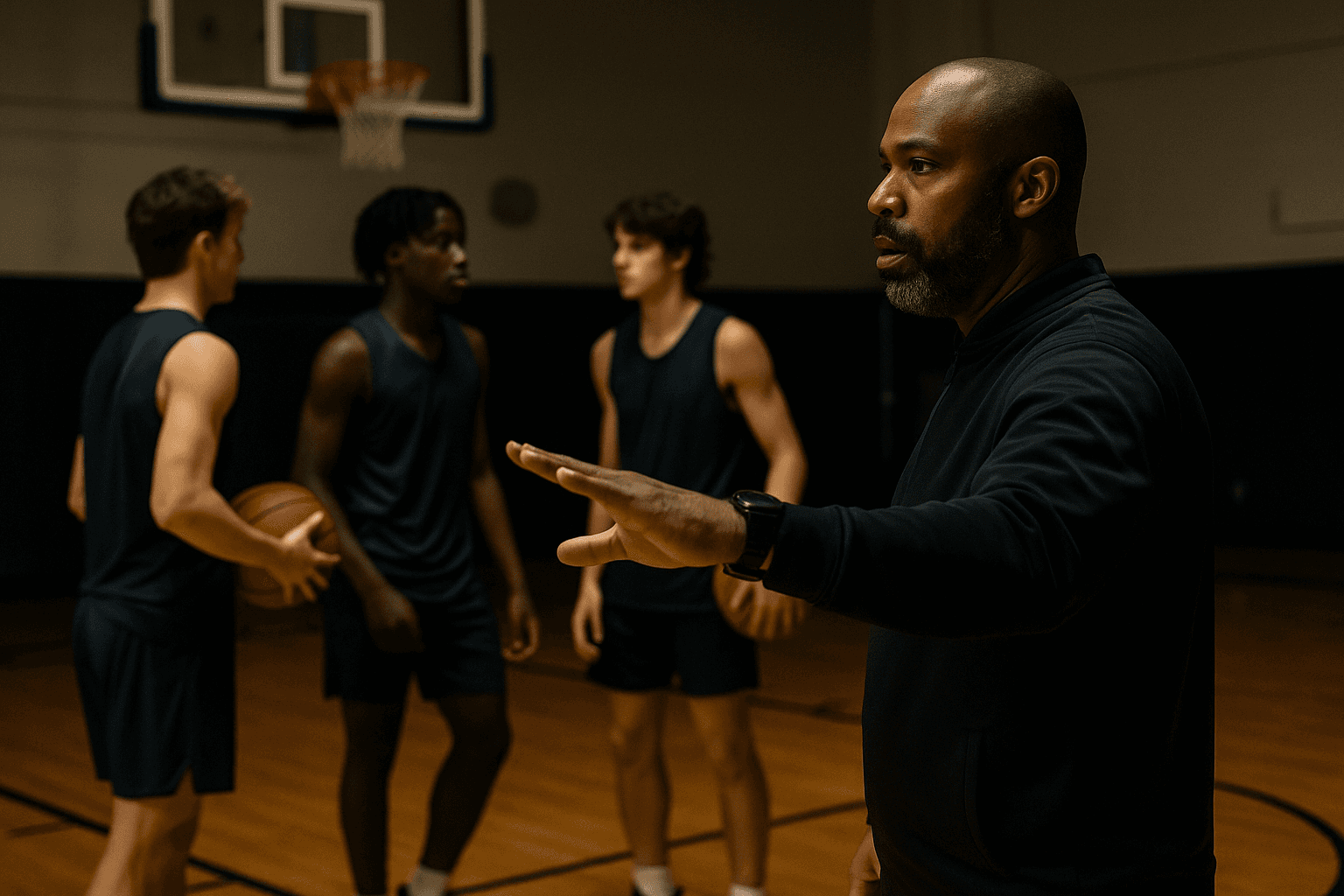
From a policy perspective the program’s trajectory highlights trade offs that district leaders face when investing in coaching, facilities and year round training. Sustained investment in coaching continuity can raise competitive outcomes and downstream opportunities for student athletes, but it competes with academic and extracurricular priorities in district budgeting. Over the longer term the program’s approach to player development and community engagement will shape not only win loss records but also economic and educational outcomes tied to youth sports participation. As the season progresses, postseason hopes will be tested against district schedules that will clarify whether early changes translate into deeper playoff runs.
Sources:
Know something we missed? Have a correction or additional information?
Submit a Tip