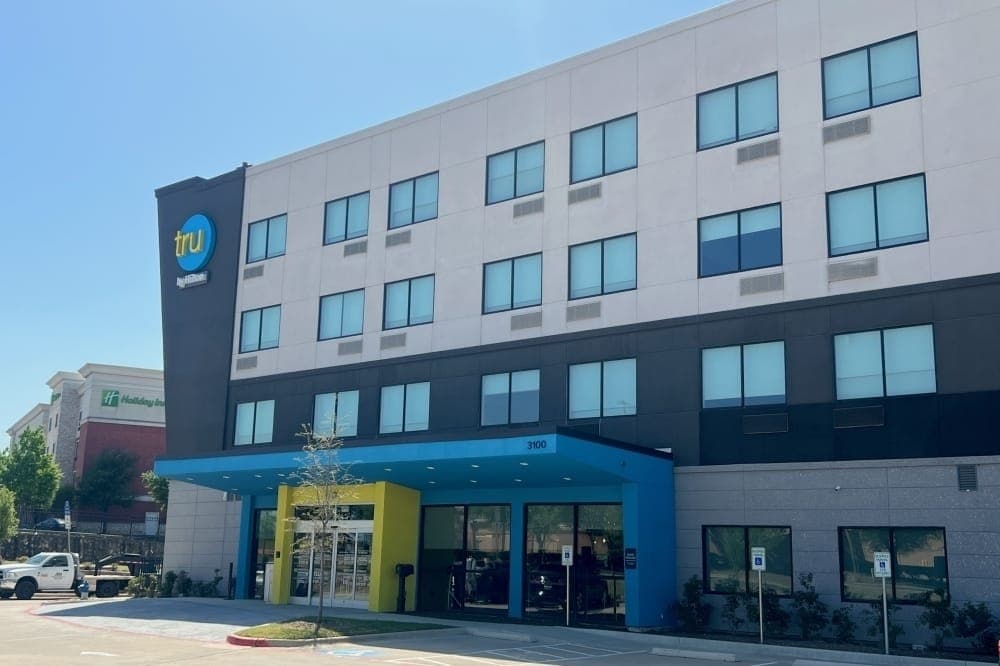
McKinney Posts Record Hotel Tax Revenue, Tourism Rebounds Strongly
The City of McKinney reported a record year of hotel occupancy tax revenue for fiscal year 2024 to 2025, generating just over $3.3 million, a 6.7 percent increase of about $200,000 from the prior year. The gains, driven by stronger monthly performance with double digit growth in June and July and an average occupancy near 71.2 percent, signal a rebound in visitor demand that will affect local businesses, development plans, and city budgeting.
The City of McKinney closed fiscal year 2024 to 2025 with just over $3.3 million in hotel occupancy tax revenue, marking a 6.7 percent increase from the prior year and roughly a $200,000 rise in the tax base. Every month of the fiscal year posted year over year gains, with particularly strong double digit increases in June and July. Across the inventory of more than 20 hotels and roughly 300 short term rental units, the average occupancy rate came in near 71.2 percent.
This revenue stream matters because the city channels occupancy tax receipts back into tourism marketing and visitor amenities. Continued reinvestment amplifies the economic multiplier for local restaurants, retailers, event venues, and transportation providers that rely on overnight visitors. Key demand drivers cited for the stronger performance included sporting events, conventions, weddings, and regional tourism, all of which generate concentrated blocks of room nights and ancillary spending.
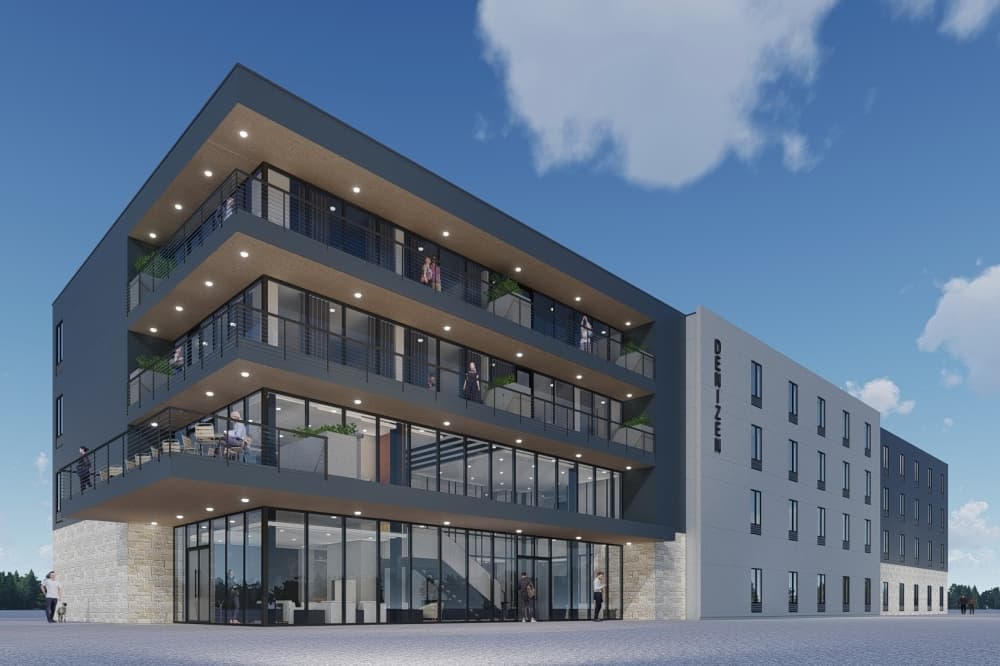
The financial improvement also arrives as new hotel development is expected to continue through 2026 and beyond, a trend that will expand lodging supply in Collin County. Increased hotel capacity can sustain convention and event growth, but it also shifts market dynamics. Higher supply may moderate future occupancy rates and place a premium on targeted marketing to maintain average daily rate performance. For city planners and policymakers, the challenge will be balancing growth in visitor services with infrastructure needs and workforce housing for hospitality employees.

From a fiscal perspective, the roughly $200,000 uptick gives municipal leaders more flexibility for marketing campaigns and amenity investments without raising taxes. Over the medium term, sustained growth in occupancy tax revenue would support ongoing event recruitment and investments that enhance McKinney as a regional destination. For residents, the immediate benefits include more events, expanded hospitality options, and potential increases in local sales tax receipts tied to visitor spending, while local officials will need to manage the secondary impacts of tourism growth on parking, traffic, and neighborhood quality of life.