McPhee Reservoir Remains Lifeline for Water, Farming and Recreation
McPhee Reservoir continues to be the primary water storage facility serving Dolores County, Montezuma County and the Ute Mountain Ute Reservation, supplying irrigation and municipal water while supporting boating and fishing. Seasonal changes in water levels tied to snowpack and release schedules affect access and local economies, and operations are coordinated by federal and local partners to protect deliveries and fish and wildlife values.
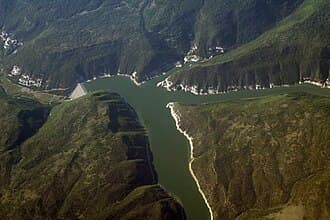
McPhee Reservoir, completed in the 1980s and commonly referred to as the Dolores Project, is the region's central water storage asset. Operated by the Bureau of Reclamation in cooperation with the Dolores Water Conservancy District, McPhee stores water for irrigation and municipal use, provides some hydroelectric generation, and helps regulate flows on the Dolores River. Those functions make it a critical infrastructure for agricultural producers, towns and tribal communities across Dolores County and neighboring Montezuma County.
Recreation centered on McPhee remains an important local economic driver. The McPhee Recreation Area, managed by the U.S. Forest Service, offers boat launches, campgrounds and day use sites accessible from roads near Dolores. Water levels and physical access to those facilities change seasonally, however, as reservoir elevations respond to release schedules and annual snowpack. Fluctuations can limit boating and fishing at certain times of year and alter visitor patterns that feed local businesses such as marinas, outfitters and campgrounds.
Management decisions at McPhee balance competing demands. Daily operations and any land management changes are coordinated with federal and local stakeholders to preserve water deliveries and to protect fish and wildlife values. That coordination matters for municipal water reliability, for the irrigation schedules of farms that depend on stored water, and for river flows that sustain downstream habitats and recreational fishing. The reservoir's modest hydroelectric output contributes to local energy mix but its primary economic role remains water storage and delivery.
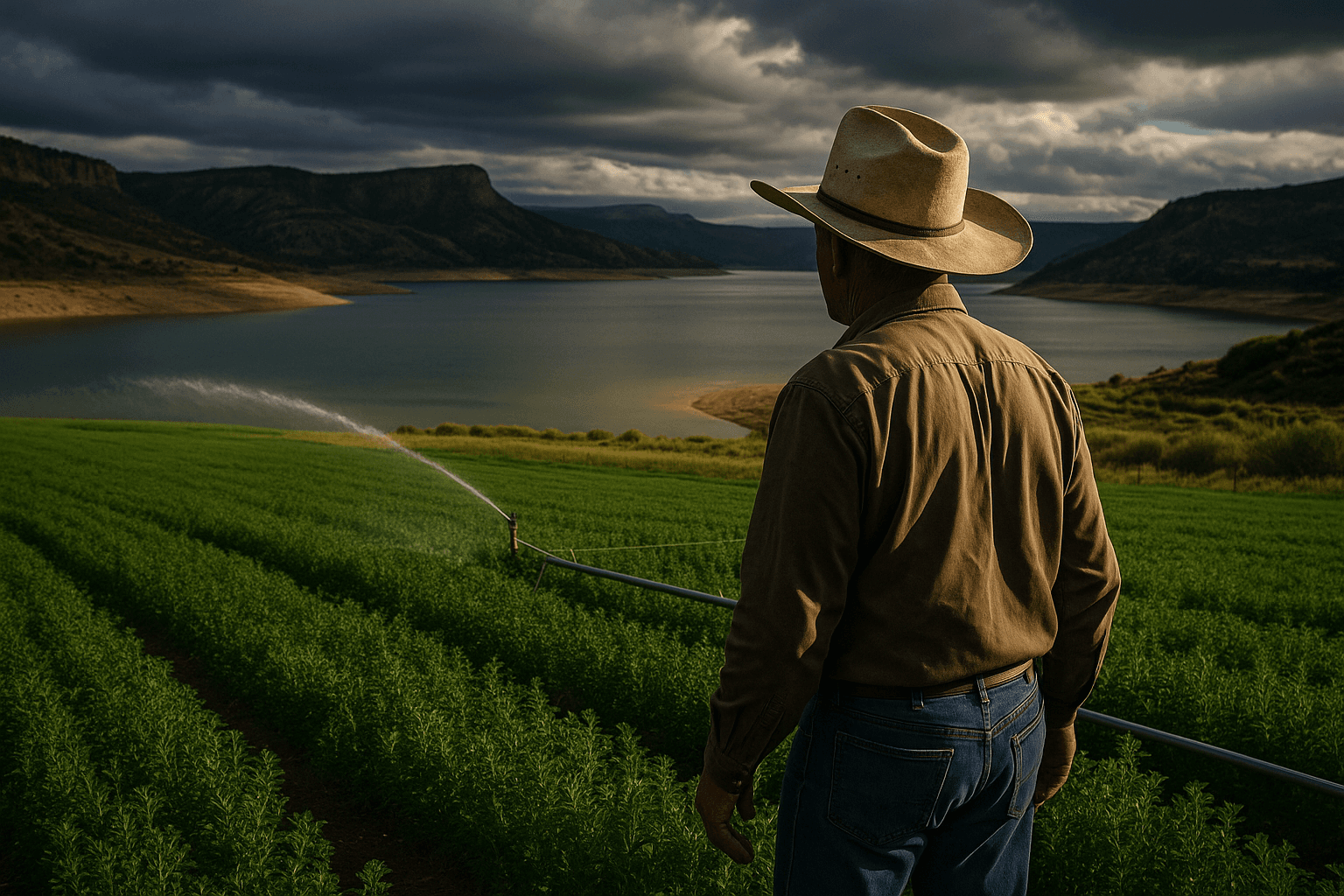
Long term trends pose policy and planning challenges for the basin. Variability in mountain snowpack and shifting runoff patterns increase the complexity of seasonal release planning and heighten the importance of cooperative management. For Dolores County residents, that means continued attention to water conservation, contingency planning for low runoff years, and close coordination among the Bureau of Reclamation, the Dolores Water Conservancy District, the U.S. Forest Service and tribal authorities.
For those planning recreation or relying on irrigation deliveries, seasonal schedules and snowpack forecasts will continue to shape access and water availability. Local officials and water managers remain the point of coordination to balance municipal needs, agricultural production and the ecological health of the Dolores River.
