McRib Class-Action Alleges Misleading Name, Raises Store-Level Concerns
A federal consumer class-action filed in the Northern District of Illinois alleges McDonald’s misled customers because the McRib sandwich does not contain a meaningful quantity of pork rib meat. The suit, which seeks class relief and damages, could create operational knock-on effects for restaurants including customer questions, manager and crew training needs, and coordination with legal and HR on store-level guidance.
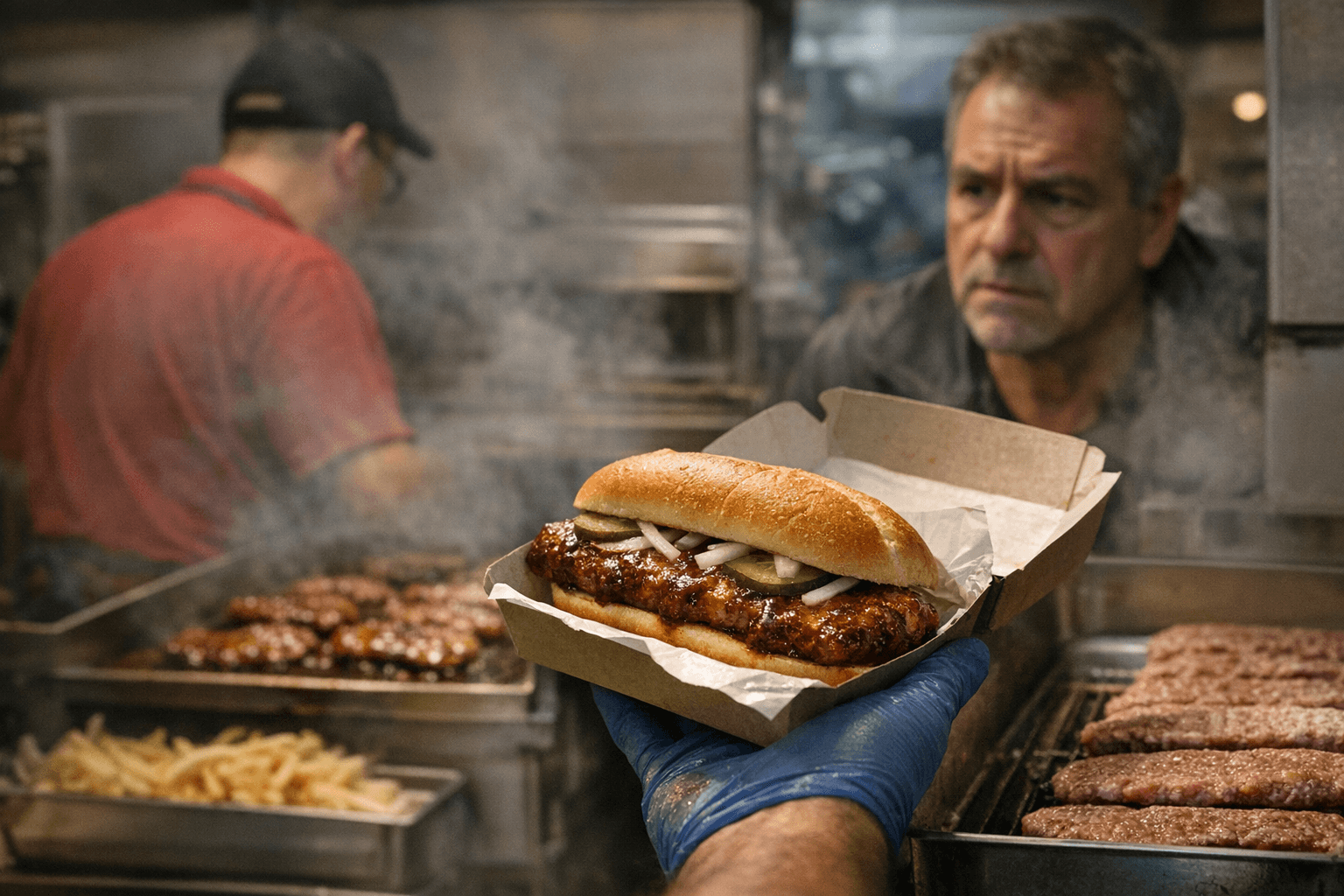
A federal consumer class-action lawsuit filed Dec. 23, 2025 in the Northern District of Illinois accuses McDonald’s of misleading customers by marketing the McRib sandwich under a name that plaintiffs say implies the presence of pork rib meat. Plaintiffs argue that reasonable consumers would expect a product called McRib to include pork rib meat and are seeking class relief and damages in response to that alleged misrepresentation.
The complaint frames the dispute as a disconnect between the sandwich’s name and its composition, placing the issue squarely in the realm of consumer expectations. By seeking class-wide treatment, the suit aims to aggregate claims from potentially large numbers of customers, which could increase the visibility and operational footprint of the dispute for McDonald’s restaurants.
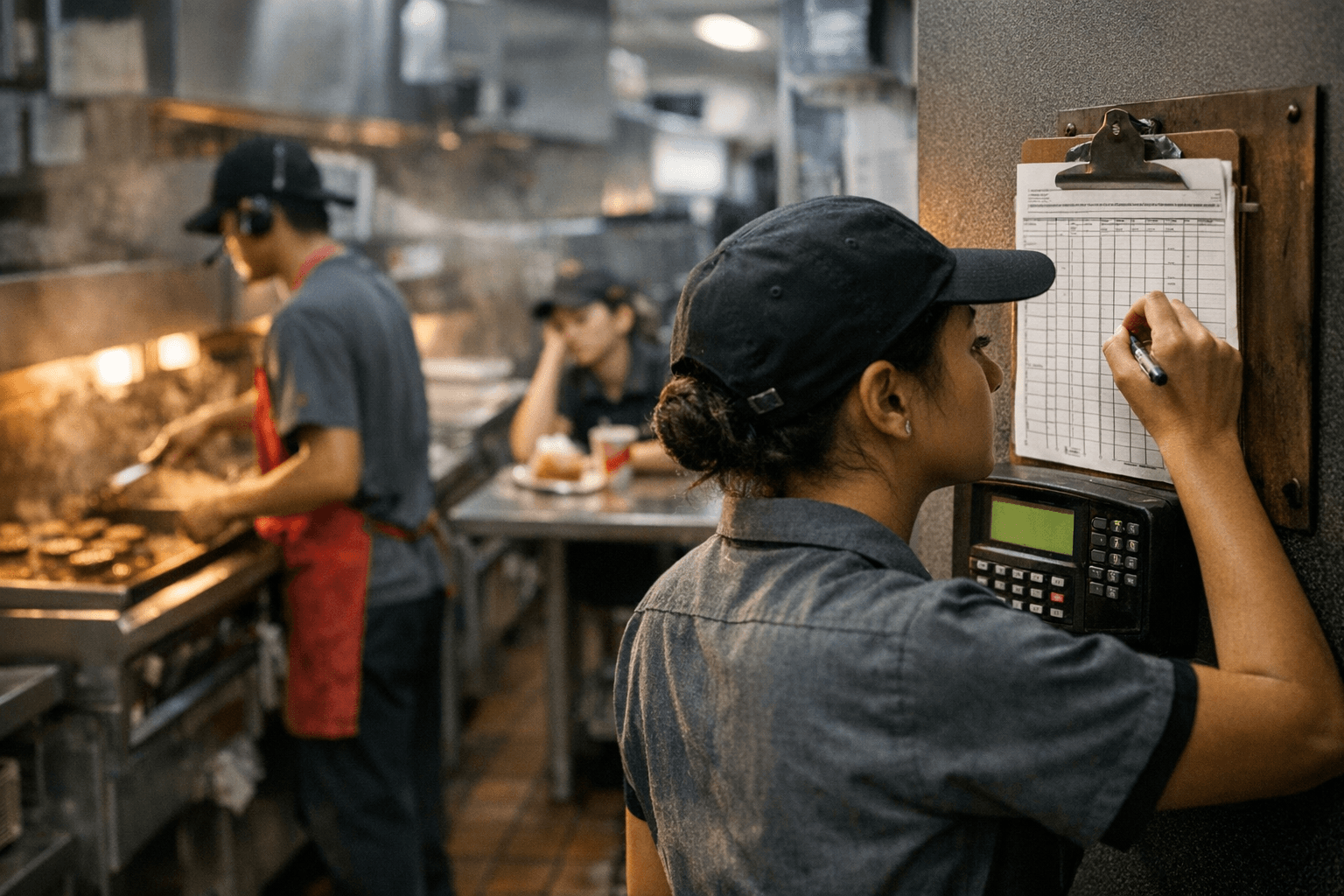
For frontline employees and managers, the immediate effects are likely to be practical rather than legal. Restaurants can expect an uptick in customer inquiries about the McRib’s ingredients and preparation. Crew members often serve as the first line of response to such questions, and managers may receive escalations when customers seek refunds, explanations, or reassurances about what is in the sandwich.
Operationally, the litigation creates a need for clear, consistent store-level guidance. That guidance typically comes from legal, communications, and human resources teams and may include updated talking points for crew, refreshed training on ingredient and allergen disclosures, and instructions on how to handle refund requests or customer complaints tied to the claim. Without centralized direction, stores risk uneven responses that could worsen customer frustration or create compliance gaps in how ingredient information is communicated.
The case also has implications for public-facing materials and signage. Restaurants maintain ingredient lists and nutrition information that workers use to answer questions; any discrepancies between those materials and customer expectations can generate repeat interactions and additional workload for staff. If corporate issues new communication or training materials, restaurants will need to integrate those quickly into daily operations.
Legal outcomes in consumer class actions can vary widely, and the complaint’s filing does not by itself determine liability. Nevertheless, such litigation commonly triggers internal reviews and cross-functional coordination within firms to limit customer service disruption and protect brand reputation. Restaurants should monitor communications from corporate leadership and be prepared to follow updated scripts or procedures from legal and HR teams. Managers should also expect to field crew questions about ingredient handling and to document any customer incidents tied to this dispute until the matter is resolved.
Sources:
Know something we missed? Have a correction or additional information?
Submit a Tip