Measles Virus Found in Wastewater, Kauai and Maui Residents Urged
The Hawaiʻi Department of Health reported that naturally occurring measles virus was detected in Maui County wastewater from a November 18 sample, and Kauaʻi had a prior wastewater detection in October. Health officials said no suspected clinical cases were identified on either island, and they urged residents to check vaccination status because measles is highly contagious.
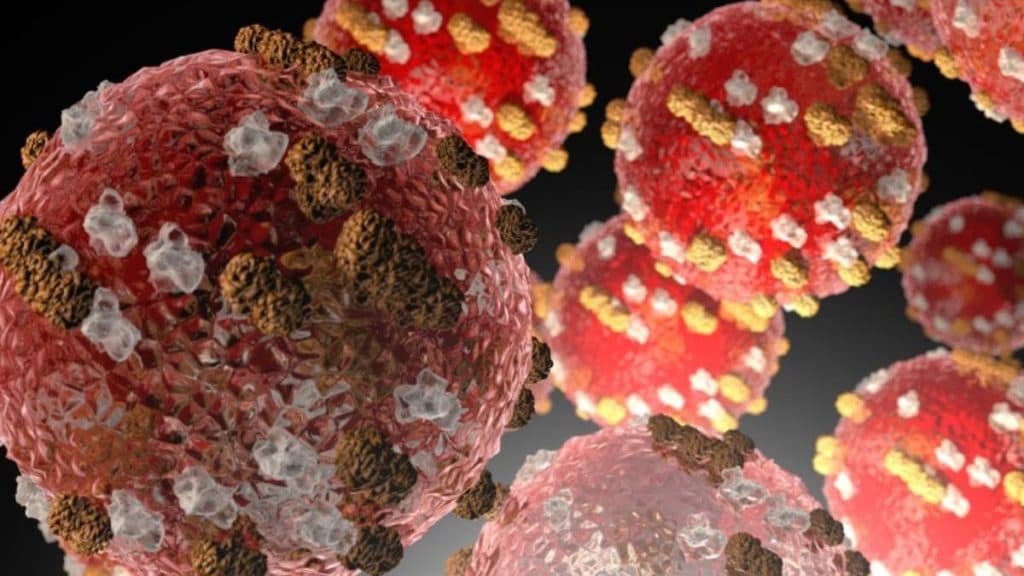
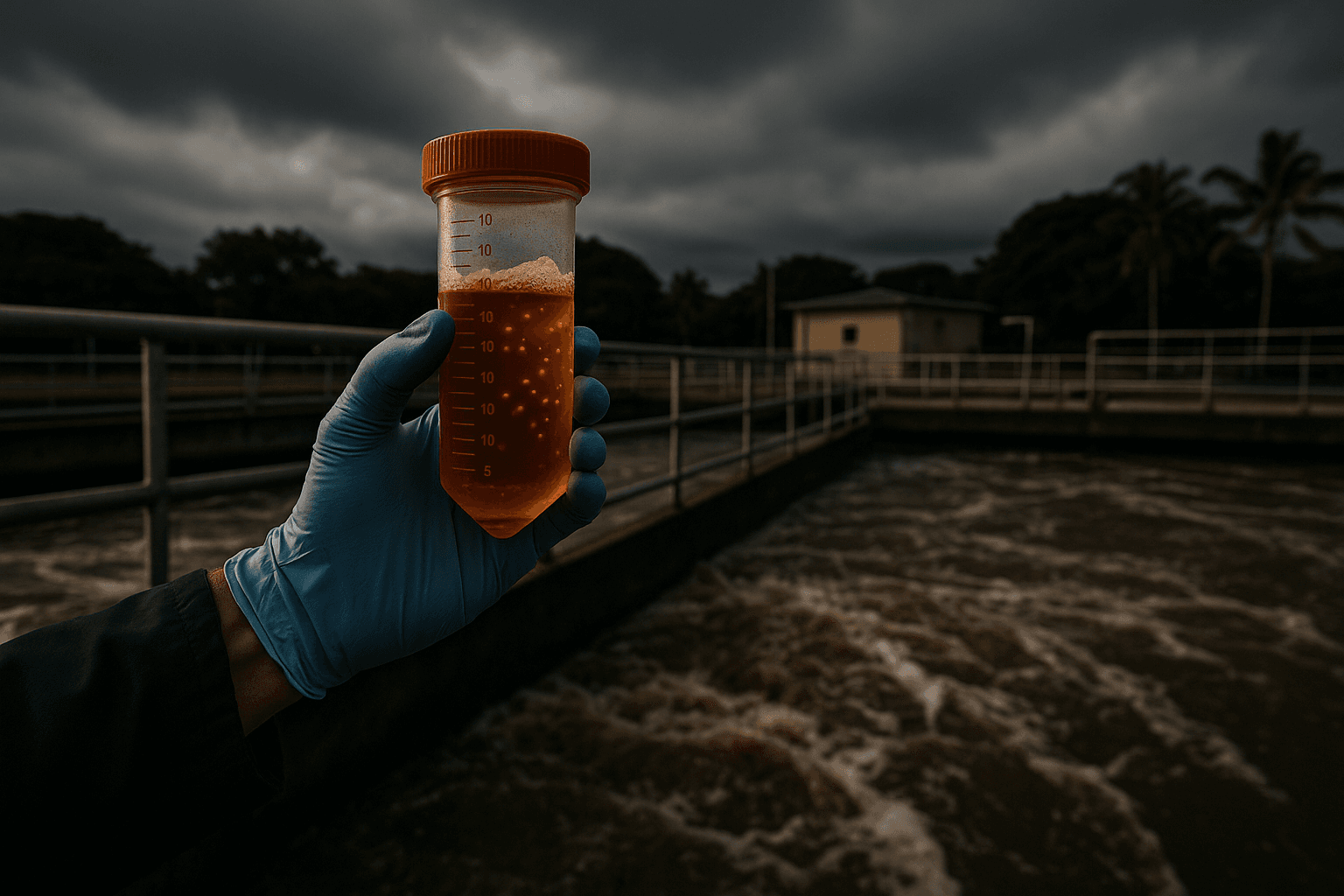
The Hawaiʻi Department of Health announced on December 4 that wastewater surveillance detected the measles virus in a sample collected in Maui County on November 18. Laboratory analysis through the National Wastewater Surveillance System indicated the virus was a naturally transmissible measles virus rather than a vaccine strain. At the time of the announcement no suspected clinical cases had been identified on Maui. The department also noted an earlier positive wastewater detection in Kauaʻi in October with no suspected clinical cases then either.
Wastewater detection does not equate to confirmed illness, but it does signal that the virus has been shed into the community. Public health officials said they are monitoring wastewater and clinical surveillance data closely. The detection underscores the value of multiple surveillance systems working together to identify the presence of pathogens before or alongside clinical diagnoses.
For Kauaʻi County residents the finding reinforces the importance of vaccination and early healthcare engagement. Measles spreads easily, and unvaccinated people, infants who are too young to be fully vaccinated, pregnant people, and people with weakened immune systems face the highest risk of severe outcomes. Vaccination remains the primary defense, and health authorities encourage individuals to verify their immunization records and consult a healthcare provider if they develop symptoms such as fever, rash, cough, runny nose, or red or watery eyes.
Beyond immediate clinical concerns, the detections raise broader public health and equity issues for local policymakers and community organizations. Wastewater signals can precede recognized cases in populations with limited access to care or where barriers to testing and reporting exist. Ensuring equitable access to vaccines, culturally competent outreach, reliable transportation to clinics, and flexible hours for working families can reduce gaps in protection and prevent outbreaks from taking hold in vulnerable neighborhoods.
Officials will continue to share updates as surveillance data evolve. In the meantime residents are urged to check vaccination status with their healthcare providers or the county health department and to seek medical advice promptly if they develop the symptoms associated with measles.