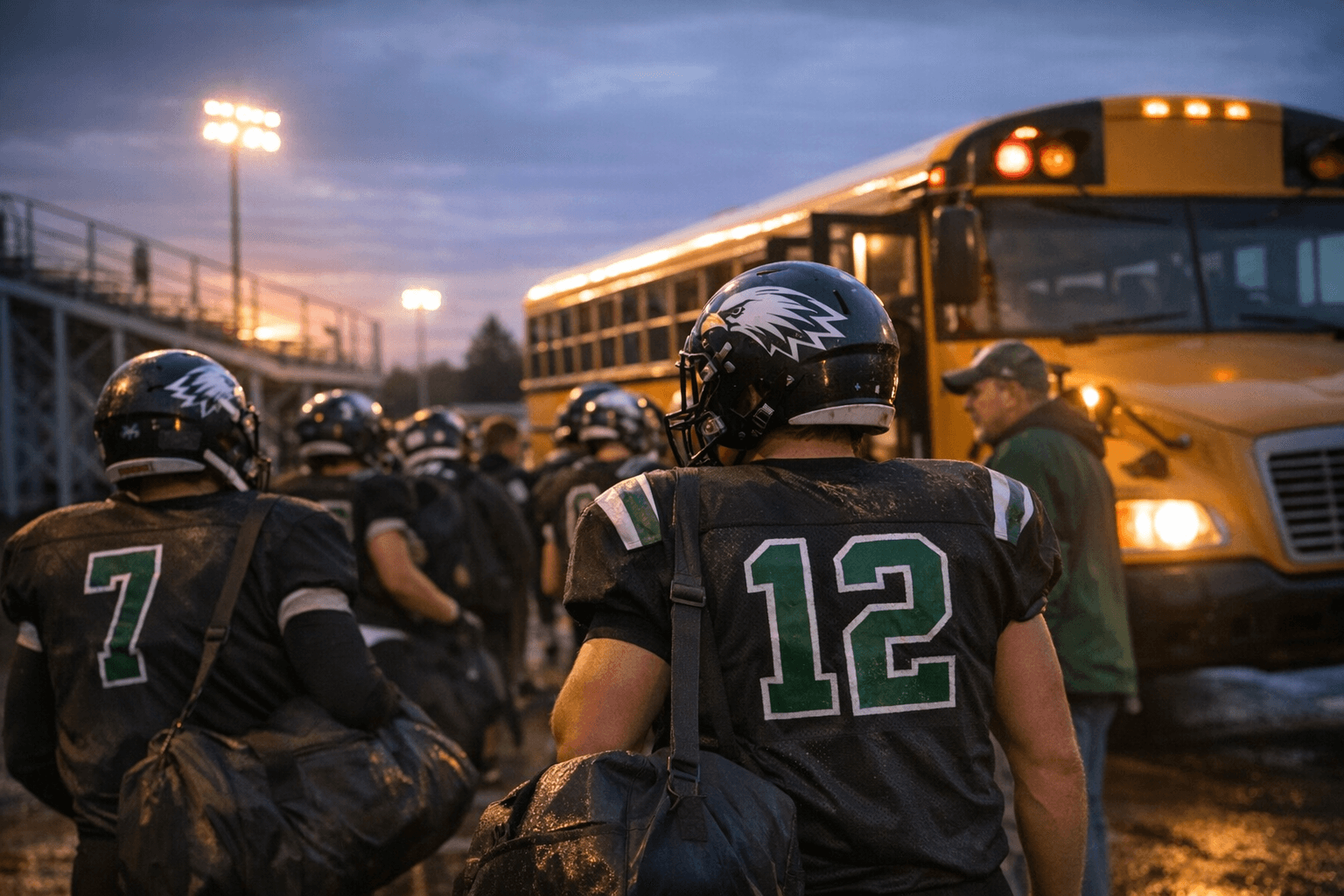
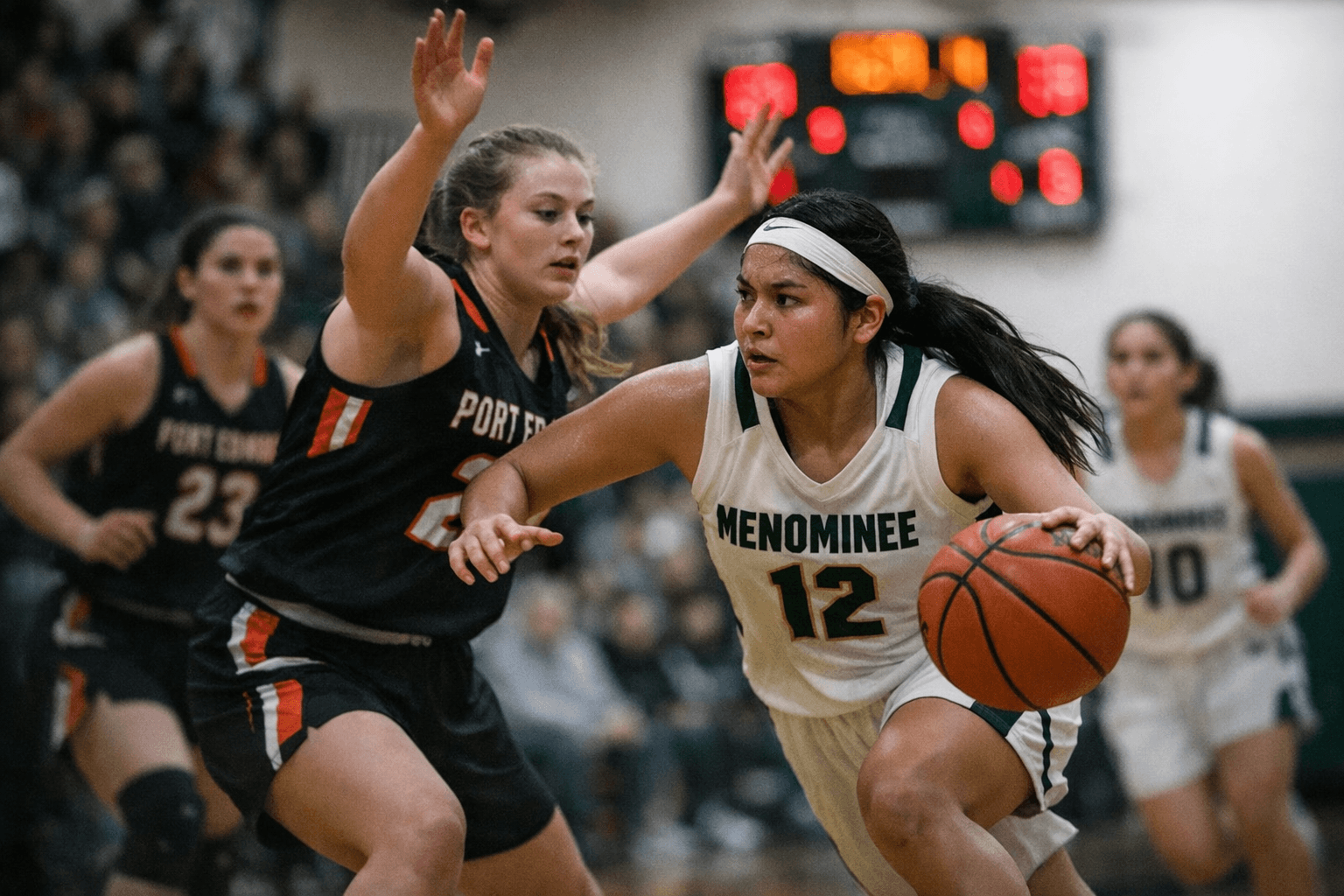
Menominee-made game brings powwow traditions into interactive learning
A Menominee-designed educational game recreates Keshena powwow practices and offers classroom resources, engaging local students, media workers, and community advisers.
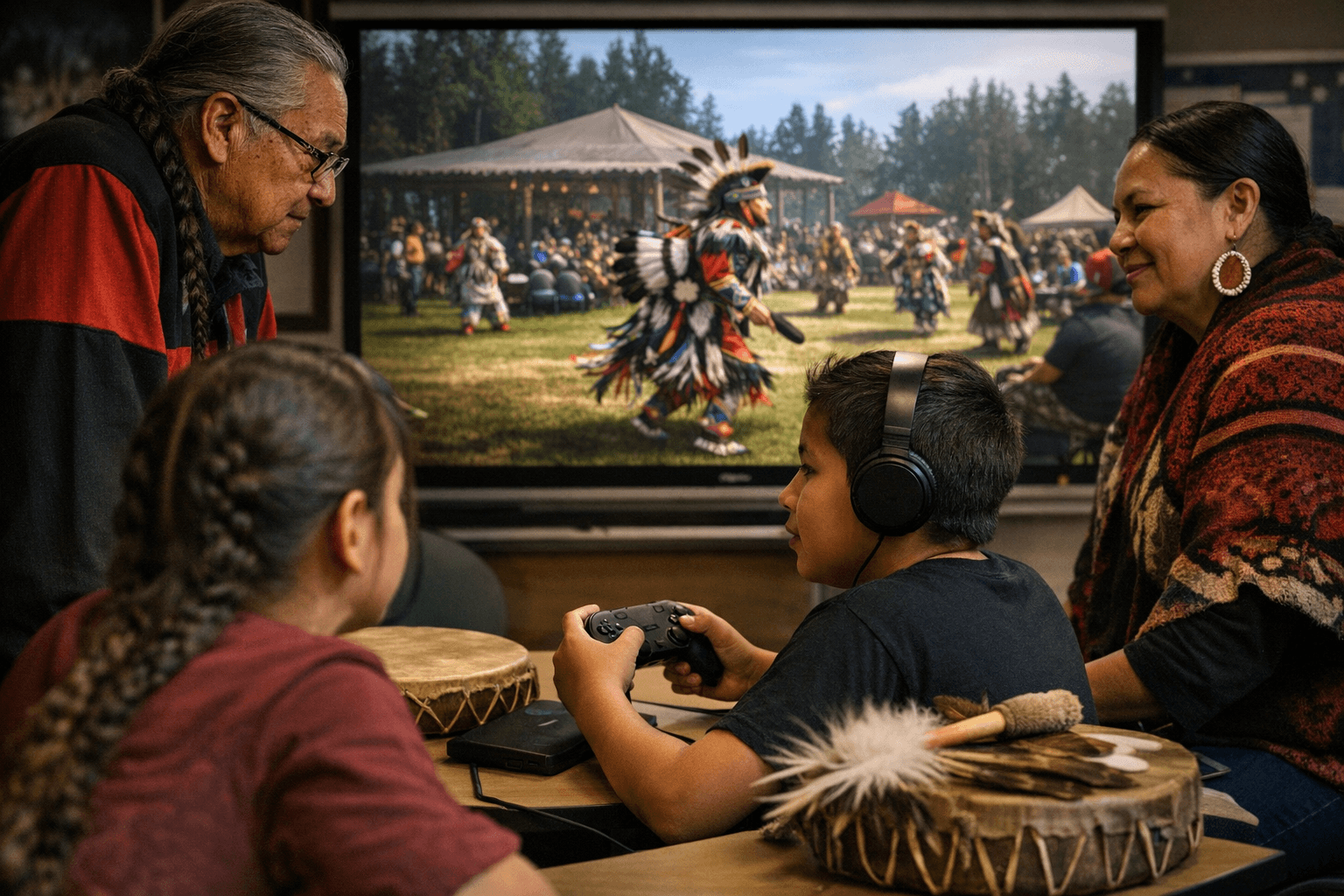
A new Menominee-made 3D interactive project, Powwow Bound: A Menominee Homecoming, brings the experience of returning to the reservation for the annual contest powwow in Keshena into classrooms and living rooms. Built as a narrative-driven educational game, it recreates the Woodland Bowl powwow context and centers Menominee language, cultural protocols, and family ties to offer a culturally authentic introduction for broader audiences.
The project was developed with Menominee community advisers at every stage and relied on local capacity: the College of Menominee Nation provided recording and playtesting space through its Digital Media Lab, and Menominee students and media workers took part in production and voice work. That local involvement shaped the game’s scenes, language use, and respectful presentation of powwow practices, aiming to prevent outsider misrepresentation and to support cultural continuity.
For Menominee County residents the game matters in concrete ways. It creates training and employment opportunities for young people interested in media, builds digital skills at the tribal college, and supports language revitalization by embedding Menominee vocabulary and social context in an accessible format. In schools, the companion educator guide makes it easier for teachers to bring Menominee history and contemporary life into lessons without relying on secondhand summaries or inaccurate portrayals.
Beyond education, the project carries public health and social equity implications. Cultural continuity and opportunities to engage with traditional practices are linked to community mental health and youth resilience; projects that reinforce identity and intergenerational exchange can reduce isolation and support wellbeing. Likewise, centering Menominee voices in digital media challenges patterns of cultural appropriation and gives local people the power to tell their own stories.
The release also highlights policy gaps that matter for Menominee County. Sustaining community-led digital work requires ongoing investment in tribal higher education, funding for arts and cultural projects, and reliable broadband so students and families can access interactive resources at home. School districts and tribal education programs could expand impact by incorporating the game into curricula and training teachers to use the educator guide effectively.
Powwow Bound demonstrates how storytelling, technology, and local leadership can combine to preserve culture and train the next generation of media makers. The takeaway? Try the game with a classroom or family circle, bring elders into the conversation, and push for school and broadband support so more of our young people can learn, work, and carry traditions forward. Our two cents? Use it as a starting point for conversations that connect language, health, and community pride.
Sources:
Know something we missed? Have a correction or additional information?
Submit a Tip