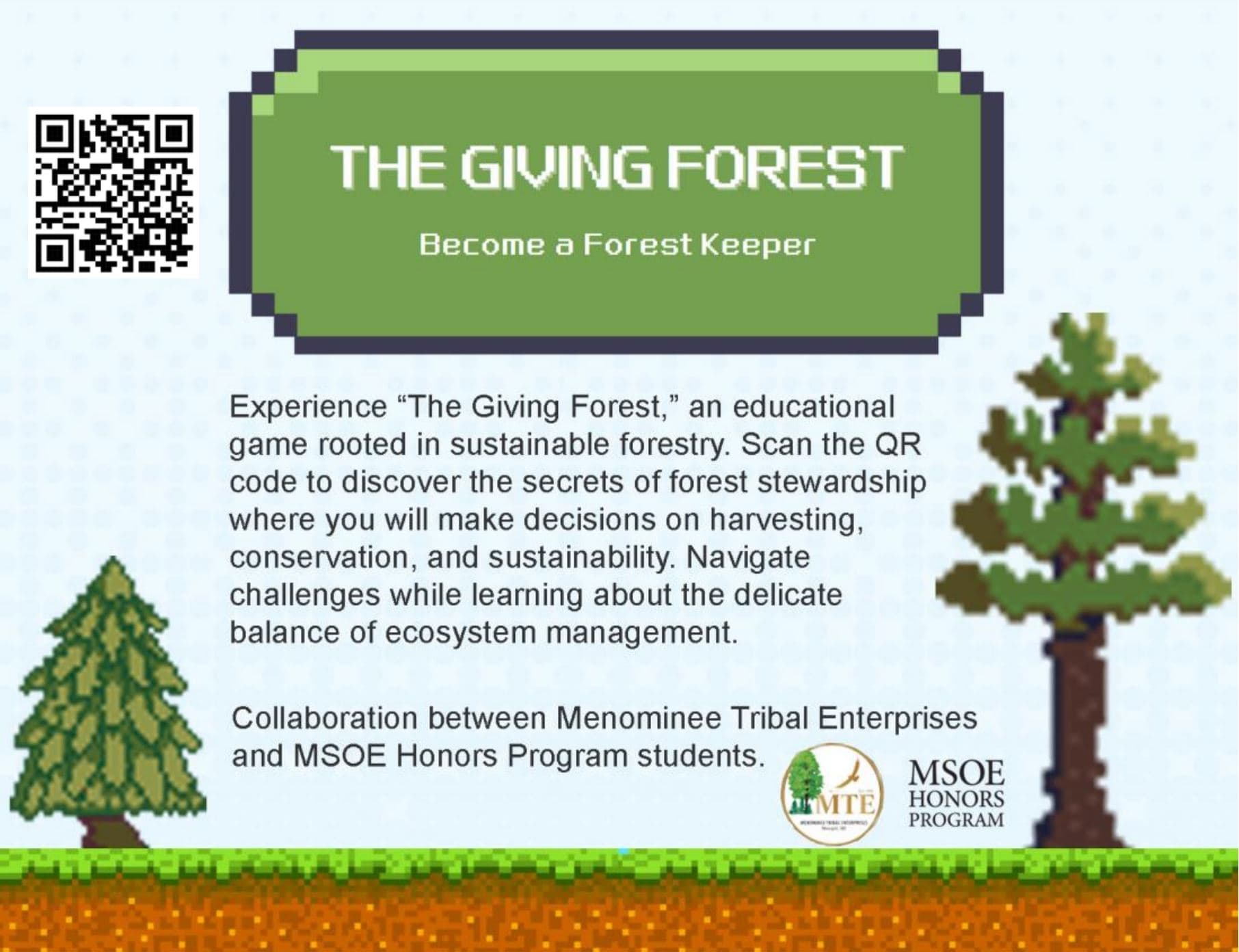
Menominee Tribal Enterprises Sustains Local Economy Through Sustainable Forestry
Menominee Tribal Enterprises manages a century plus working forest and operates sawmill and wood product facilities in Neopit and across the reservation, supplying lumber and specialty timber for high profile projects while supporting local jobs. Its investments in energy efficiency and adaptive forest management matter to Menominee County because they reduce fossil fuel use, stabilize mill operations, and shape employment and forest health across hundreds of thousands of acres.

Menominee Tribal Enterprises, the timber and forest products arm of the Menominee Indian Tribe of Wisconsin, is a central economic and ecological actor in Menominee County. With more than a century of continuous forest management, the enterprise operates sawmill and wood product facilities in Neopit and elsewhere on the reservation, supplying lumber and specialty wood used in notable construction projects while providing an economic base for the region.
The company has paired its long term stewardship model with targeted modernization efforts. Energy efficiency initiatives, including combined heat and power systems and biomass boiler modernization, have reduced reliance on fossil fuels and helped sustain mill operations. Those projects are intended to lower operating costs and increase resilience against volatile fuel markets while keeping production lines running for local workers.
Employment impacts are concentrated and varied. MTE supports dozens of local jobs in sawmill operations, logging, mill maintenance, transportation, and wood products manufacturing. The enterprise has also been the focus of federal and state grants and technical partnerships designed to modernize equipment, add value to tribal timber, and expand workforce capacity. Those investments strengthen local income streams and influence tax base discussions in a county that is essentially coterminous with the reservation.
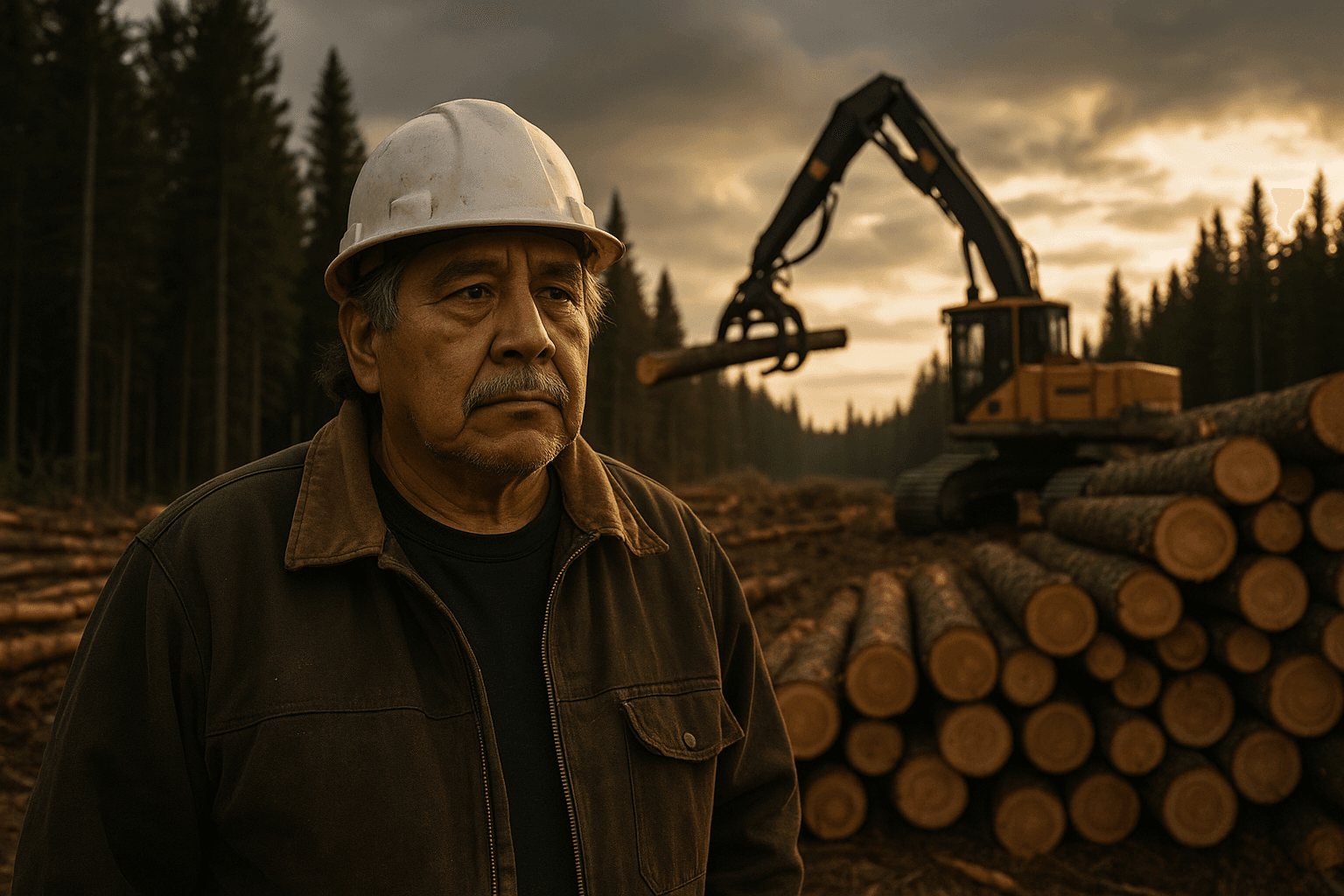
Forest health and long term productivity remain central to both economic and cultural priorities. Menominee management emphasizes species diversity, adaptation to pests and disease, and planning that balances timber production with ecological stewardship. Current field work includes locating and treating oak wilt pockets and reforesting with a broader mix of species better adapted to projected climate conditions. Demonstration projects and collaborations with agencies and universities combine traditional ecological knowledge with contemporary forestry science to guide those actions.
For Menominee County residents the stakes cover jobs, public revenue, and landscape resilience. Decisions by MTE affect employment levels, value added from timber processing, and the ecological condition of hundreds of thousands of acres that sustain both cultural practice and the local economy.