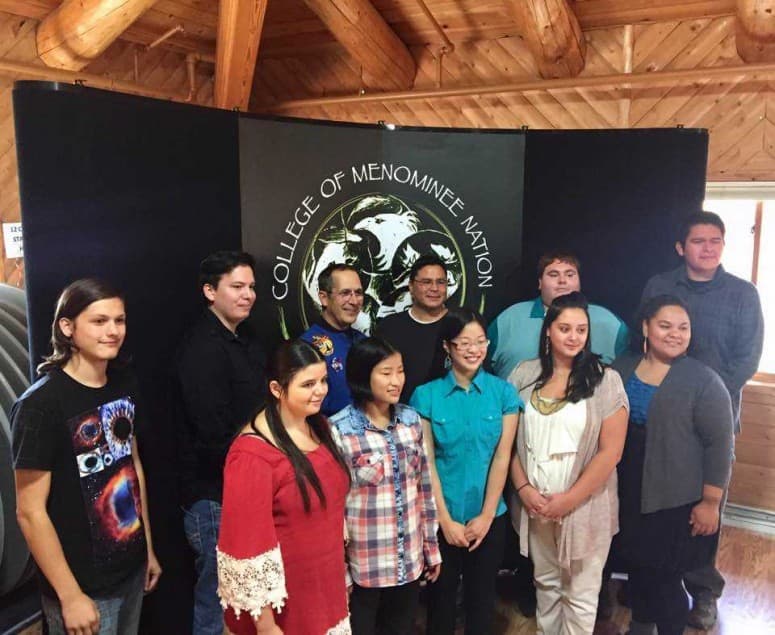
Menominee Tribal School Events Strengthen Culture, Family Engagement This December
Menominee Tribal School hosted a K through 8 Family Night on December 12, bringing students and parents together for crafts, cookie frosting, and a shared meal. Earlier in the week, language and culture classes in grades 5 through 8 visited a logging museum near Keshena to learn reservation era stories and tribal history, reinforcing cultural education and community ties.

Menominee Tribal School held a K through 8 Family Night on December 12, drawing families from Keshena and Neopit for an evening of crafts, cookie frosting, and a community meal featuring hot turkey sandwiches and sides. The event was open to parents and students and centered on cultural and community focused activities intended to strengthen family connections to school programming and language and culture lessons.
On December 9, students in grades 5 through 8 enrolled in language and culture classes visited the logging museum near Keshena. Museum presenters and elders spoke with students about restoration of Menominee tribal history and shared reservation era stories. Presenters praised students for respectful questions and engagement, a response school leaders say underlines the value of experiential learning outside the classroom.
These events come at a busy time in the school calendar. Winter sports scheduling for wrestling and other seasonal activities continues to shape after school routines, and planning is underway for the annual holiday concert. Outreach items for parents were highlighted alongside community programming, including distribution of impact aid forms and notices about upcoming parent teacher conferences. Such administrative and extracurricular details matter to families managing transportation, work schedules, and youth participation in athletics and cultural events.
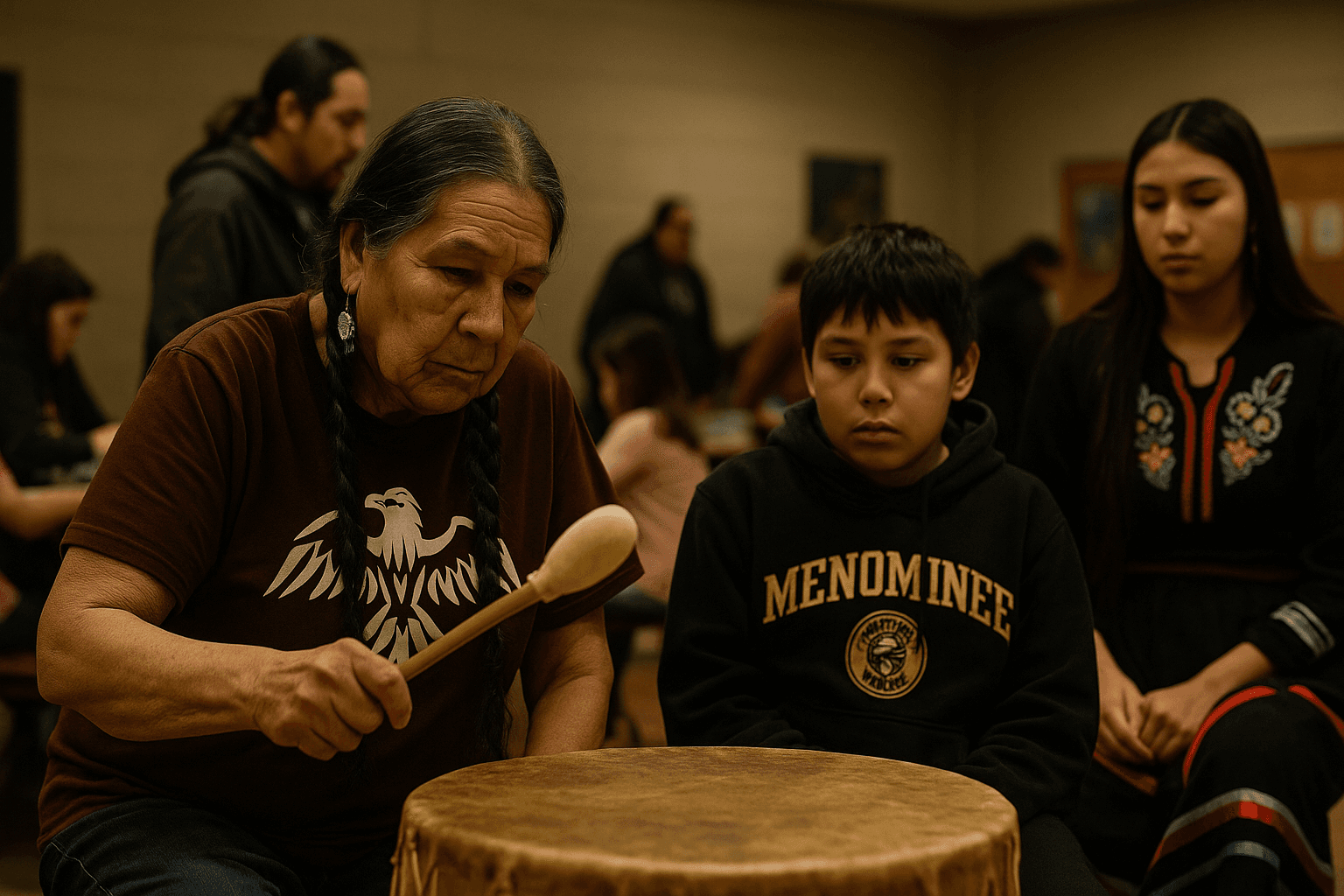
For Menominee County residents the recent activities represent more than social gatherings. They reinforce language preservation and cultural education efforts, provide continuity between elders and youth, and increase parental involvement in schooling. Regular programming across villages contributes to civic cohesion and supports student engagement at a time when sustaining tribal knowledge and community participation is a local policy priority. Continued coordination between schools, elders, and community organizations will determine how effectively that momentum is carried into the new year.
Sources:
Know something we missed? Have a correction or additional information?
Submit a Tip