Mexican Felon Sentenced to 155 Months for Meth Trafficking, Local Consequences
A Mexican national with a prior narcotics conviction was sentenced to 155 months in federal prison for trafficking methamphetamine and cocaine, following a multiagency investigation that included transactions linked to Val Verde County's border corridors. The case underscores ongoing cross border drug enforcement challenges and the role of federal and state agencies in protecting community safety.
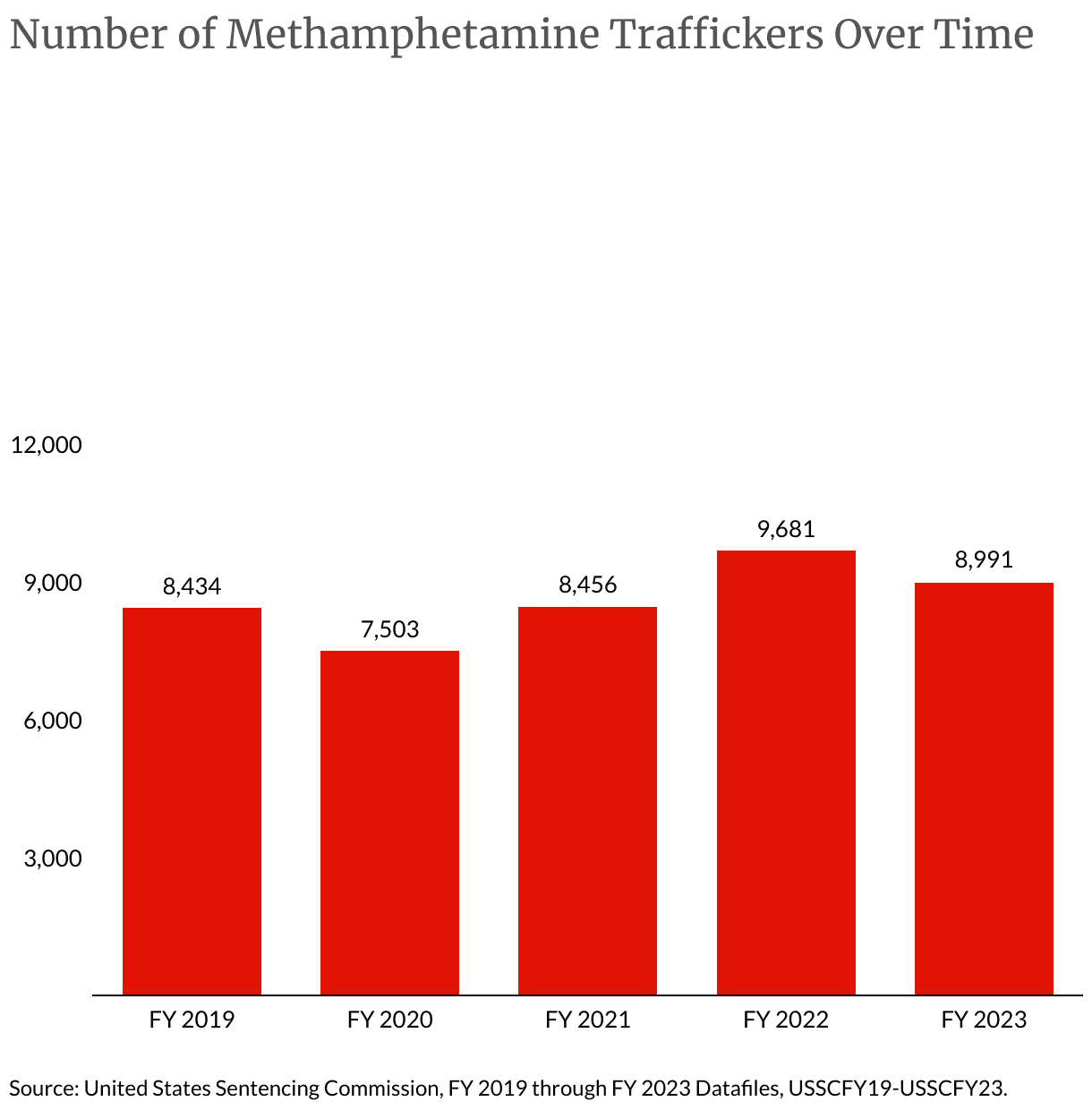
Federal authorities on December 8 sentenced Cesar Sepulveda Esquivel, also known as Cesar Sepulveda Jimenez, to 155 months in prison for methamphetamine trafficking. The 47 year old from Piedras Negras was identified late in 2022 as a supplier of methamphetamine and cocaine, and a joint investigation documented multiple narcotics transactions between January 11 and April 5, 2023.
Law enforcement arrested Esquivel at his residence on May 24, 2023. Agents found a 45 caliber handgun, roughly two ounces of marijuana, several grams of methamphetamine, and 10 grams of cocaine. Esquivel pleaded guilty on August 13, 2025 and U.S. District Judge David Ezra imposed the federal sentence on December 8, 2025. U.S. Attorney Justin R. Simmons for the Western District of Texas announced the outcome.
Esquivel has a prior federal conviction from 2008 for possession with intent to distribute cocaine. He served 48 months in prison and was removed to Mexico after completing that sentence. Authorities say he illegally returned to the United States in 2022 and resumed distributing narcotics.
The case was investigated by the Drug Enforcement Administration and the Texas Department of Public Safety Criminal Investigations Division. Assistant U.S. Attorney Sarah Spears prosecuted the matter in federal court. For media inquiries the federal office provided the email USATXW.MediaInquiry@usdoj.gov.
For residents of Val Verde County the prosecution highlights persistent enforcement pressures along the border. Trafficking operations that cross the international boundary raise public safety concerns and require coordination among federal, state, and local agencies. The conviction removes an alleged supplier from local illicit markets, yet it also illustrates patterns of recidivism and illegal reentry that shape enforcement priorities and resource allocation.
Community impact includes potential short term reductions in local supply of methamphetamine and cocaine, and a renewed emphasis on intelligence sharing between agencies. Residents who observe suspicious activity may contact local law enforcement to support prevention efforts. The case reflects ongoing investments in federal prosecution of drug supply chains that affect public health and safety in border counties.
Sources:
Know something we missed? Have a correction or additional information?
Submit a Tip