Minnesota hearing advances tribal education, expands Ojibwe language funding
State education officials held an American Indian Education Field Hearing in Cass Lake on December 12, bringing educators, parents and students together to review language revitalization grants and recent statutory changes that affect tribal students. The meeting could influence classroom staffing and cultural practices in Beltrami County schools, and results will be sent to all 11 tribal nations for review and comment.
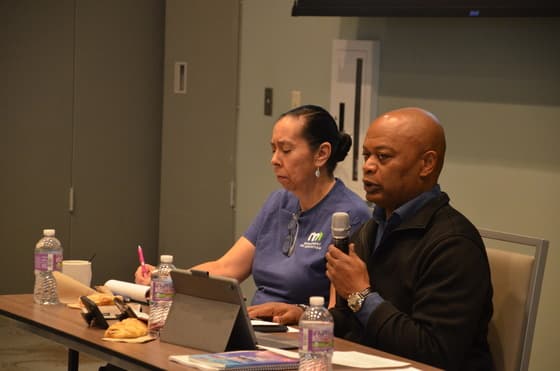
State and local leaders gathered at the Cedar Lakes Casino Hotel in Cass Lake on December 12 for a Minnesota Department of Education field hearing focused on American Indian education. Commissioner Willie Jett and agency staff heard updates and took community input in person and remotely, with officials saying the session will inform MDE and legislative next steps. “We know that education is the foundation for opportunity, and every child in Minnesota deserves access to high quality, culturally relevant education that respects their identity and heritage,” Jett said.
The hearing highlighted language revitalization as a central theme. Director of American Indian Education Annie Huberty, who is an enrolled member of Red Lake Nation, reviewed recent legislative changes and program updates. Huberty noted that the first round of Native Language Revitalization Grants opened in 2024 and produced 33 approvals out of 54 applicants, an approval rate of about 61 percent. Bemidji Area Schools was among the awardees and received funding to hire two full time equivalent Ojibwe language teachers to expand instruction at Lincoln, J.W. Smith and Gene Dillon elementary schools for at least two years. A second round of grant funding opened on November 18 with 13.5 million dollars available statewide.
Participants discussed the Minnesota Bilingual Seals Program and whether its current testing model is appropriate for oral Indigenous languages. Huberty raised concerns that the model is Western centric and may not align with Indigenous language practice. She suggested that alternative criteria could be proposed to better recognize oral language proficiency.
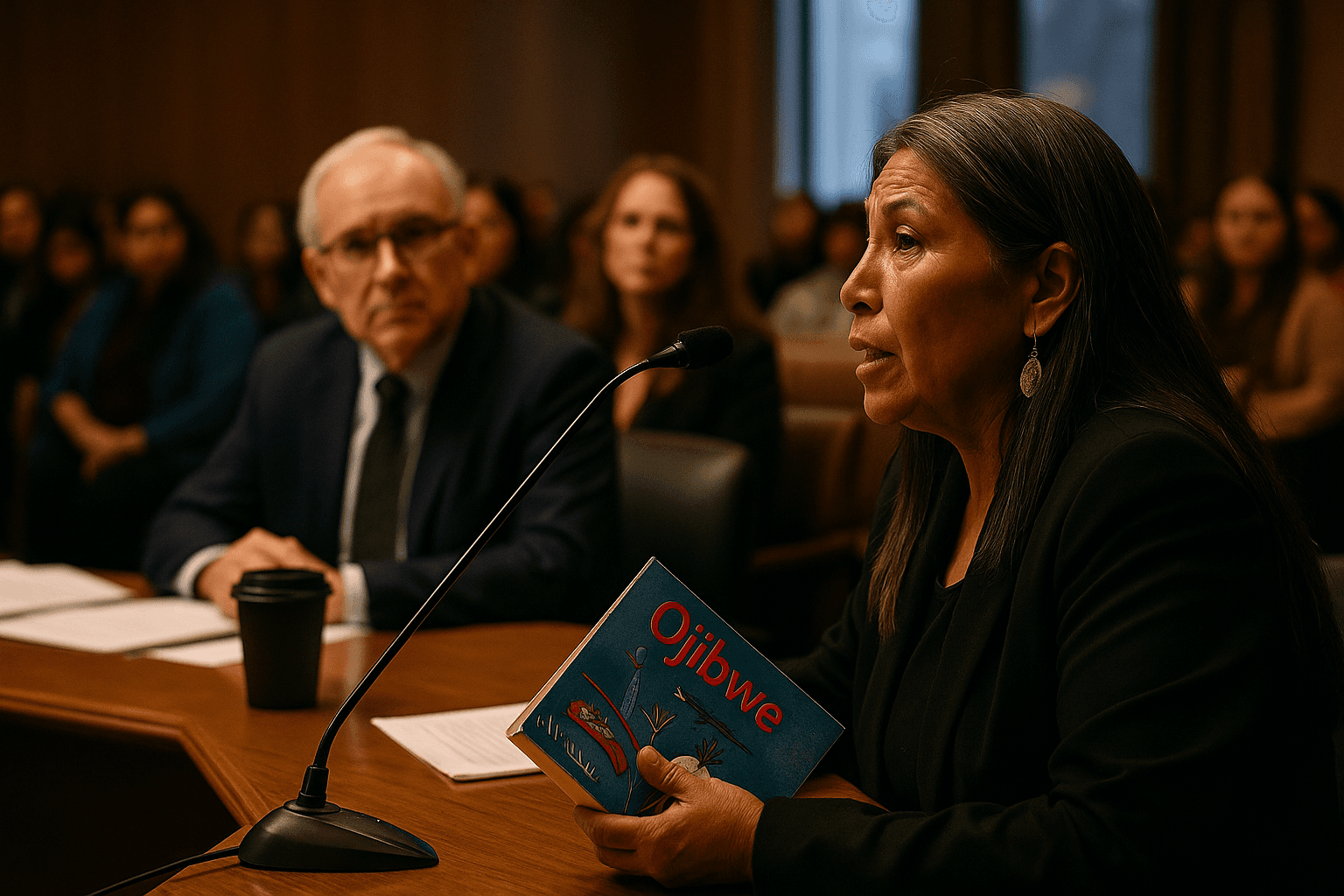
For Beltrami County residents, the grants translate into immediate classroom staffing changes and curriculum expansion in local elementary schools, creating local teaching positions and increasing opportunities for students to learn Ojibwe. The statutory updates from 2023 and 2024 that address tobacco exceptions, regalia at graduation and smudging in schools were reviewed as part of a broader effort to align school policy with tribal cultural practices.
Officials said the hearing record will be shared with all 11 tribal nations for review and comment before final recommendations are developed. The availability of additional grant funding and potential changes to bilingual certification rules will be key variables to watch as districts plan staffing and programming for the coming years.
Sources:
Know something we missed? Have a correction or additional information?
Submit a Tip