Mississippi midterms could shift local priorities for Lafayette County
Earlier this week, a column by Sid Salter examined Mississippi’s 2026 midterm landscape and concluded that while many incumbents enter the cycle favored, contests could become unpredictable as voters grapple with rising costs for food, fuel and health care. For Lafayette County residents, the analysis underscores how federal races for the U.S. Senate and the state’s four House seats could directly influence local funding, services and political attention in the months ahead.
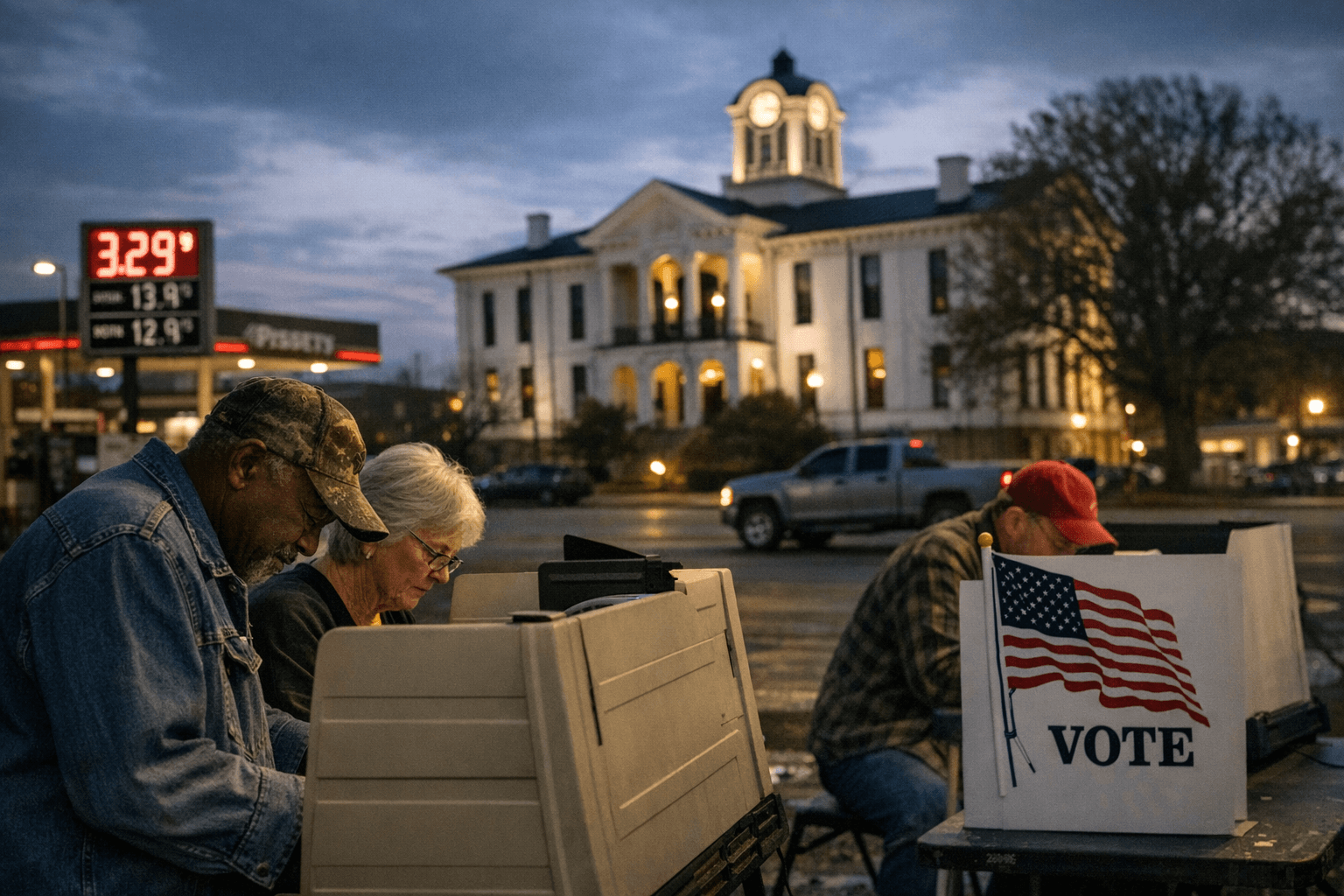
A recent column laid out a cautious outlook for Mississippi’s 2026 federal contests, noting that incumbency, fundraising advantages and committee influence still give many sitting members an edge. At the top of the ballot, incumbent U.S. Senator Cindy Hyde-Smith faces primary challengers, and the column flagged the possibility of more crowded or competitive primaries across both parties for the state’s four U.S. House seats.
The analysis emphasized that while structural advantages favor incumbents, practical household concerns could alter the trajectory of races. Rising prices for groceries, fuel and health care were singled out as “kitchen-table” issues that can make contests less predictable, particularly in districts where margins have tightened or where challengers can connect directly with voters’ immediate financial pressures.
Fundraising and committee assignments were highlighted as key reasons incumbents often begin as favorites. Committee influence not only affects the tenor of a member’s campaign but also their ability to steer federal resources and attention to local priorities. That linkage matters in Lafayette County where federal decisions touch university research funding, rural infrastructure projects and health care programs that rural families rely on.
The column also addressed the potential for primary contests to become the decisive battleground in some districts. Competitive primaries could increase local engagement and turnout, shifting focus from national messaging to district-specific concerns. That dynamic encourages candidates to lay out plans on pocketbook issues and to campaign in person across counties such as Lafayette, where retail prices, transportation costs and access to care are frequent voter concerns.
For Lafayette County voters and civic leaders, the practical takeaway is to watch how the statewide narrative filters down to district-level debates. Fundraising reports, candidate filing announcements and primary calendars will be the early indicators of which races are likely to be contested. Local forums and town hall events may become important venues for pressing candidates on the cost of living, support for the University of Mississippi and rural economic development.
As the calendar progresses toward primaries and the general election, the balance between incumbency advantages and immediate household pressures will determine how competitive these races become. Lafayette County residents will see whether those national and statewide forces translate into focused attention and tangible results for local needs.
Sources:
Know something we missed? Have a correction or additional information?
Submit a Tip