Montana Early Childhood Account Board Holds First Meeting Today
The newly created Montana Early Childhood Account (MECA) Board holds its inaugural meeting today, establishing how state funds from House Bill 924 will be distributed to strengthen early care and education. For Lewis and Clark County families and child-care providers, the board’s decisions will shape workforce support, affordability, quality improvements, and emergency relief in the months ahead.
State officials say the Montana Early Childhood Account Board meets for the first time today, marking the start of a statewide effort to direct new funding created by the 2025 Legislature under House Bill 924. The governor-appointed, 10-member board is charged with setting funding priorities, approving and monitoring expenditures, and evaluating program effectiveness for early care and education across Montana.
The board’s membership includes representatives from state agencies, early childhood organizations, child-care providers, and a parent currently using care, reflecting an intent to combine policy, delivery and family perspectives in funding decisions. The kickoff meeting is available via Zoom, and officials have made MECA resources and meeting details available online for public viewing.
MECA funding is organized around five targeted pillars: provider support and workforce development; quality improvement; affordability initiatives; innovation focused on community child-care expansion and early intervention; and emergency assistance and disaster relief for child-care providers. The design aims to address both long-standing capacity issues and near-term vulnerabilities that providers face, including workforce shortages and the financial shock of disasters or sudden closures.
For Lewis and Clark County, the board’s work could affect the availability and cost of child care, early education quality efforts in local programs, and supports for providers attempting to expand or stabilize operations. Provider support and workforce development funding may be used to increase wages, training, or recruitment incentives that affect staffing levels at local centers and family child-care homes. Affordability initiatives could alter subsidies or assistance for families, while innovation funds may enable pilot projects to expand slots where demand exceeds supply.
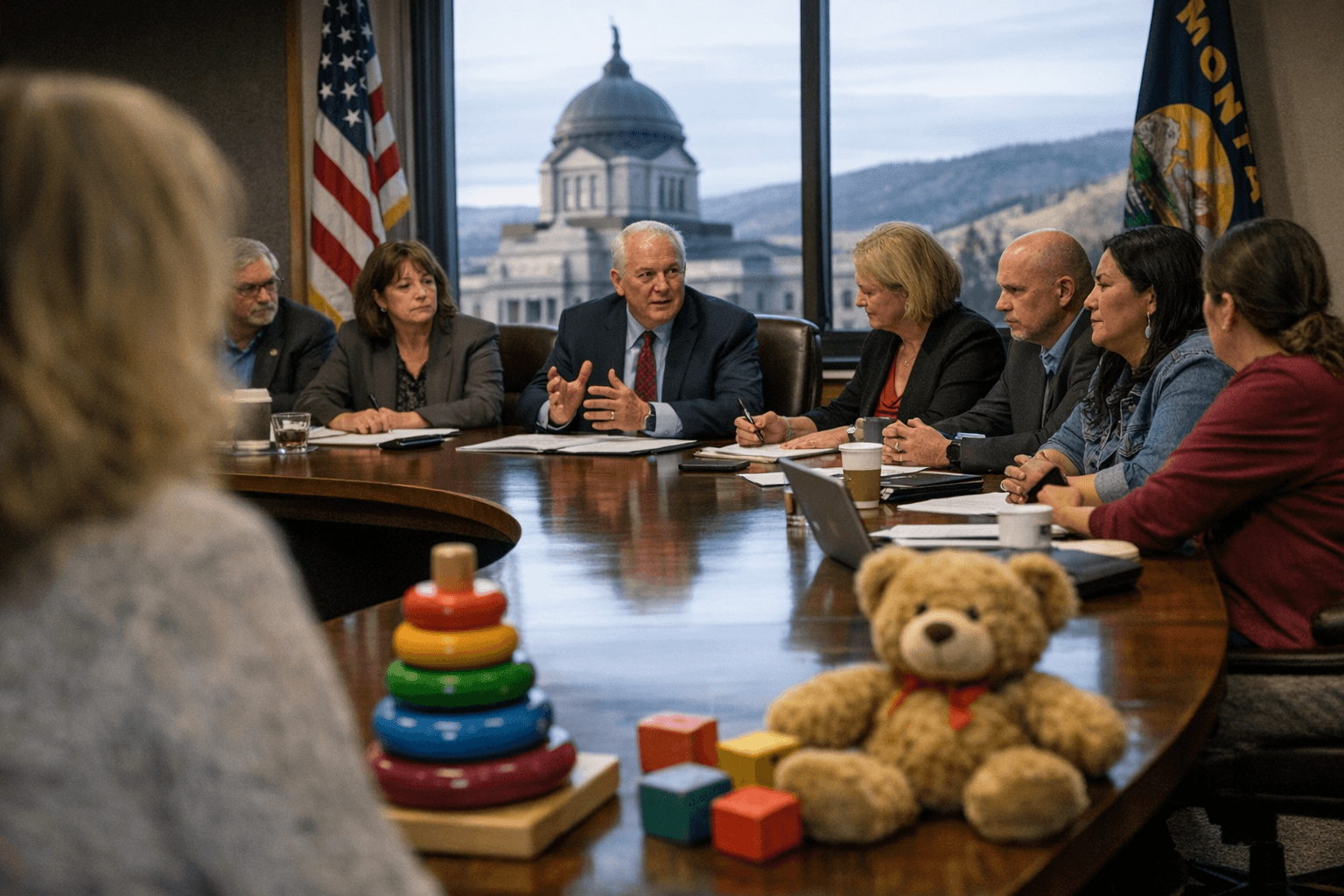
The board’s mandate to approve and monitor expenditures and to evaluate program effectiveness raises questions about transparency, measurable outcomes and local accountability. Residents and local leaders will be watching for clear criteria for funding decisions, timelines for disbursing dollars, and reporting mechanisms that demonstrate whether investments reduce wait lists, raise provider retention, or increase access in underserved neighborhoods.
Public participation is immediately possible: the meeting is accessible by Zoom, and MECA materials are available online for review. As the board develops funding priorities, local providers, parents and elected officials will have opportunities to track decisions that influence early childhood capacity and affordability in Lewis and Clark County. The early months of MECA’s operation will set precedents for how state-level funds translate into services on the ground, making scrutiny and civic engagement essential to ensure funds meet local needs.
Sources:
Know something we missed? Have a correction or additional information?
Submit a Tip