Morgan Stanley Sees December Fed Cut, Joins Major Wall Street Peers
Morgan Stanley revised its outlook on December 5 and now expects the Federal Reserve to reduce interest rates by 25 basis points at the December meeting, aligning with J.P. Morgan and Bank of America. The shift followed a string of dovish comments from Fed officials and softer U.S. economic data in late November, and markets quickly raised the odds of a near term easing move.
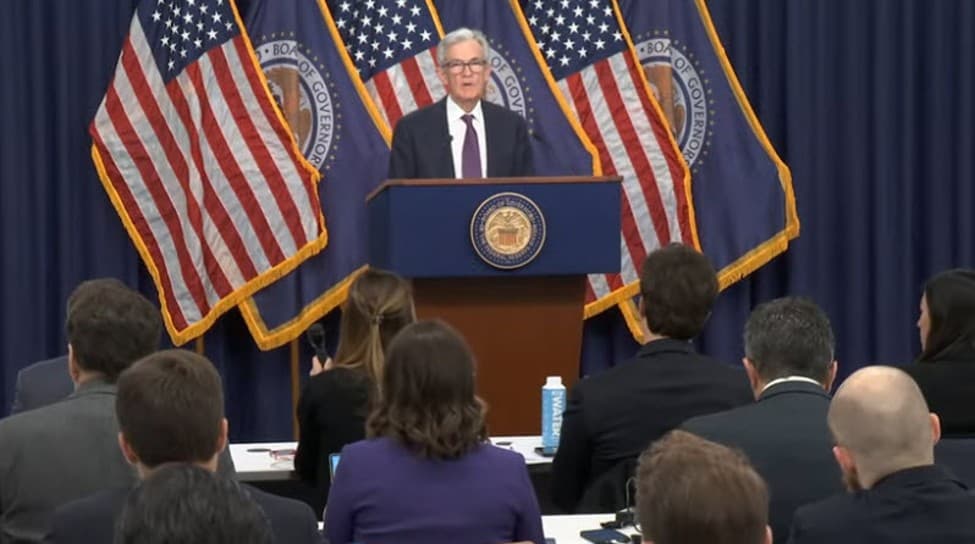
Morgan Stanley on December 5 formally shifted its monetary policy outlook, forecasting a 25 basis point reduction in the federal funds rate at the Federal Open Market Committee meeting later this month. The change placed the firm alongside J.P. Morgan and Bank of America in adopting a more dovish near term stance after late November communications from Fed officials and a sequence of softer U.S. data points that collectively weakened the case for sustained tight policy.
Analysts at Morgan Stanley acknowledged they had been quicker to call a different trajectory for rates earlier in the cycle. The bank said it had "jumped the gun" in earlier calls, and it cautioned that the December FOMC meeting could produce dissenting votes among policymakers if a cut is approved. The firm also said the Fed is likely to accompany any rate reduction with carefully calibrated changes to its post meeting statement emphasizing data dependence for subsequent moves.
The reversal underscores an important dynamic at the Fed. Policymakers have been balancing cooling inflation readings against a still resilient labor market and elevated services sector price pressures. A 25 basis point move would generally be viewed as a modest easing step, intended to signal the Fed is prepared to pivot if incoming data continue to soften, while stopping short of a broader policy relaxation.
Market participants reacted quickly to the revised calls and the broader flow of Fed commentary. Pricing in futures and swap markets showed a marked rise in the probability of a December cut, and short term rate sensitive assets adjusted to reflect heightened odds of easing. The prospect of a smaller, carefully worded cut has implications across financial markets. Treasury yields at the front end historically respond to shifting expectations for Fed policy, mortgage rates and corporate borrowing costs are directly sensitive to even small adjustments in the fed funds target, and bank net interest margins face renewed pressure if an easing cycle takes hold.

For monetary policy, the decision matrix has narrowed. Fed officials who have signaled patience can now point to softer incoming data as justification for stepping toward a cut, while more hawkish officials may push back, arguing that core inflation and services price growth remain too high to warrant significant easing. Morgan Stanley's warning about potential dissents highlights how the Fed may opt for a calibrated move that preserves flexibility through carefully chosen language.
Longer term, the shift among major banks toward expecting a December cut reflects a broader reappraisal of the inflation trajectory and the economic momentum heading into 2026. If the Fed does lower rates by 25 basis points, the move will be parsed for signs of a sustained easing cycle or simply a tactical response to transient weakness in activity. Investors and policymakers alike will watch subsequent monthly data prints closely for confirmation that the December move was the start of a new phase in the policy cycle rather than a temporary accommodation.