Munson Hospice Held Winter Solstice Candlelight Gatherings, Community Came Together for Remembrance
Munson Healthcare Hospice Bereavement Services held Winter Solstice candlelight gatherings to acknowledge grief and loss during the holiday season, drawing residents together in Traverse City and Cadillac. The events highlighted the health system's role in community mental health, underscoring local needs for accessible bereavement support and coordination with county services.

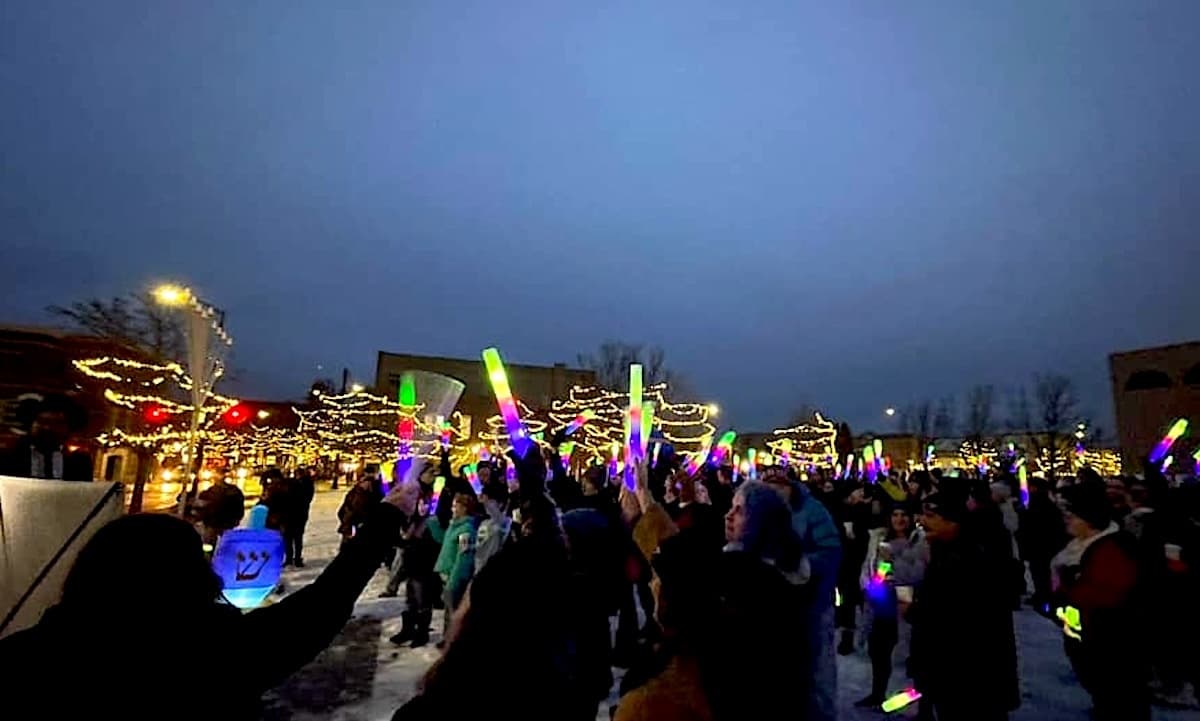
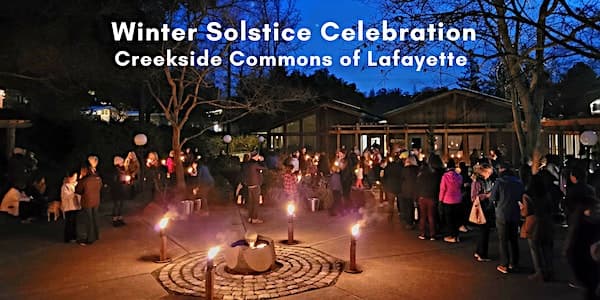
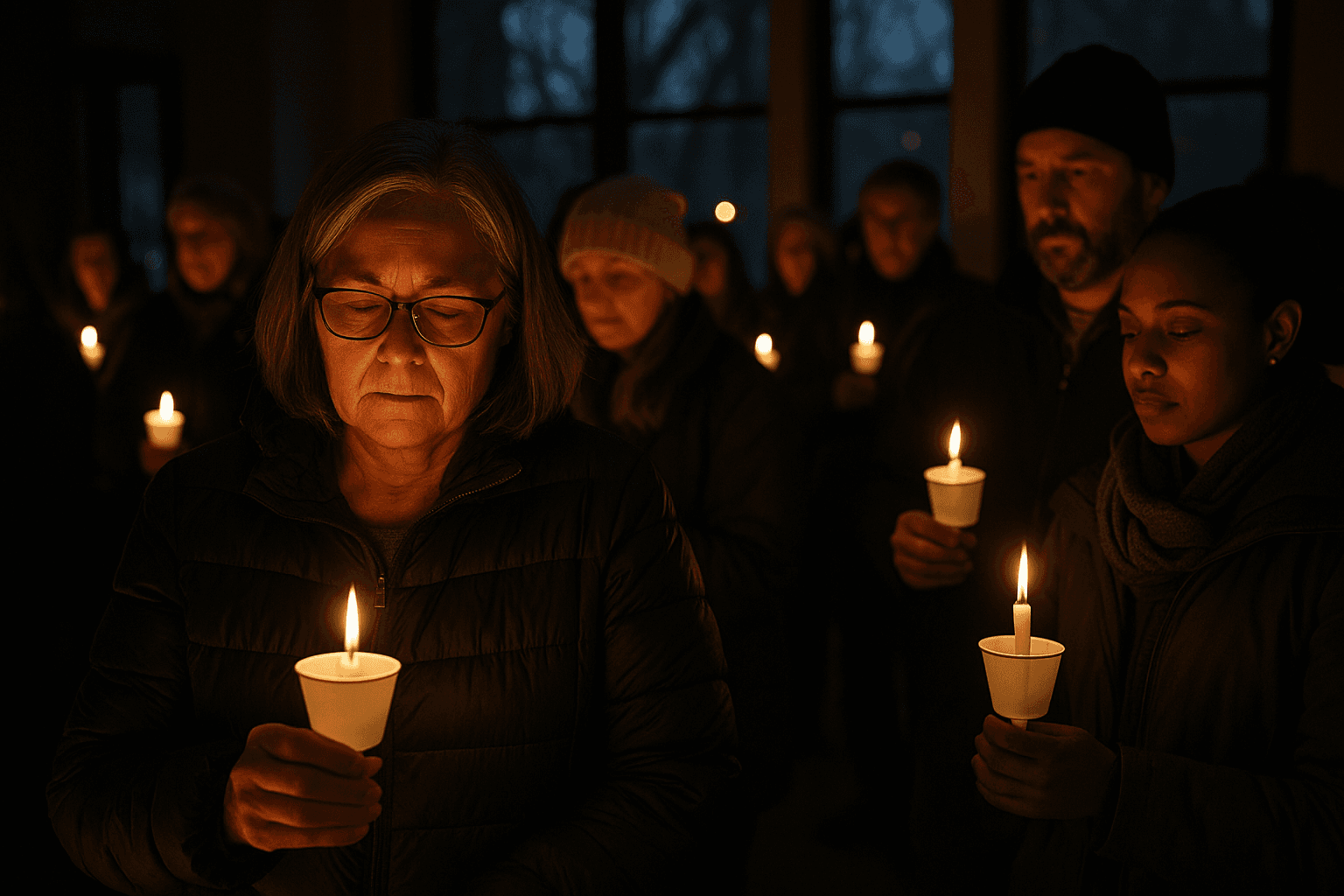
Munson Healthcare Hospice Bereavement Services convened community Winter Solstice gatherings on December 12, 2025, offering candlelight ceremonies intended to acknowledge grief and loss during a time of year many residents find especially difficult. The events, held in Traverse City and in Cadillac, were framed as open to the public and as opportunities for remembrance and collective healing.
Organizers described the gatherings as ceremonies of light and unity designed to create space for people who are grieving, and they encouraged anyone struggling with loss to attend. Announcements accompanying the events listed specific locations and times for each ceremony. Attendance was intended to be inclusive, requiring no formal affiliation with Munson or with hospice care to participate.
The gatherings illustrate how a major regional health provider is stepping into a preventive mental health and social support role at the community level. Bereavement services offered outside clinical settings can reduce isolation, connect residents to coping resources, and create referral pathways to counseling and other supports. For Grand Traverse County this supplemental capacity is meaningful, particularly during the holiday season when demand for grief support typically rises.
The public nature of the ceremonies raises questions about how healthcare providers and local government coordinate to meet unmet needs. County leaders and public health planners may consider whether partnerships with hospital systems, faith groups, and nonprofit organizations could expand access to similar programs across the county. Funding, outreach to underserved neighborhoods, and transportation options are practical areas where coordination could increase reach and equity.
For residents the immediate impact was emotional and practical. Participants who attended had a chance to mark loss in a communal setting, and the events created visible opportunities to identify additional support. Long term the gatherings serve as a reminder that bereavement support is part of the broader health and civic infrastructure. As communities continue to confront mental health challenges, clear lines of cooperation between health systems and county services will determine whether such programs remain occasional events or become sustained elements of local public health.
Sources:
Know something we missed? Have a correction or additional information?
Submit a Tip