Myrna Loy Center Anchors Helena Arts, Strengthens Community Health
The Myrna Loy Center for the Performing Arts serves as Helena's primary nonprofit arts presenter, housed in a converted historic building downtown and offering live music, theater, film, gallery exhibits and community arts programming year round. Its steady schedule of concerts, film series and education programs matters to local residents because it supports mental health, community connection and the local economy while offering accessible cultural opportunities for diverse audiences.
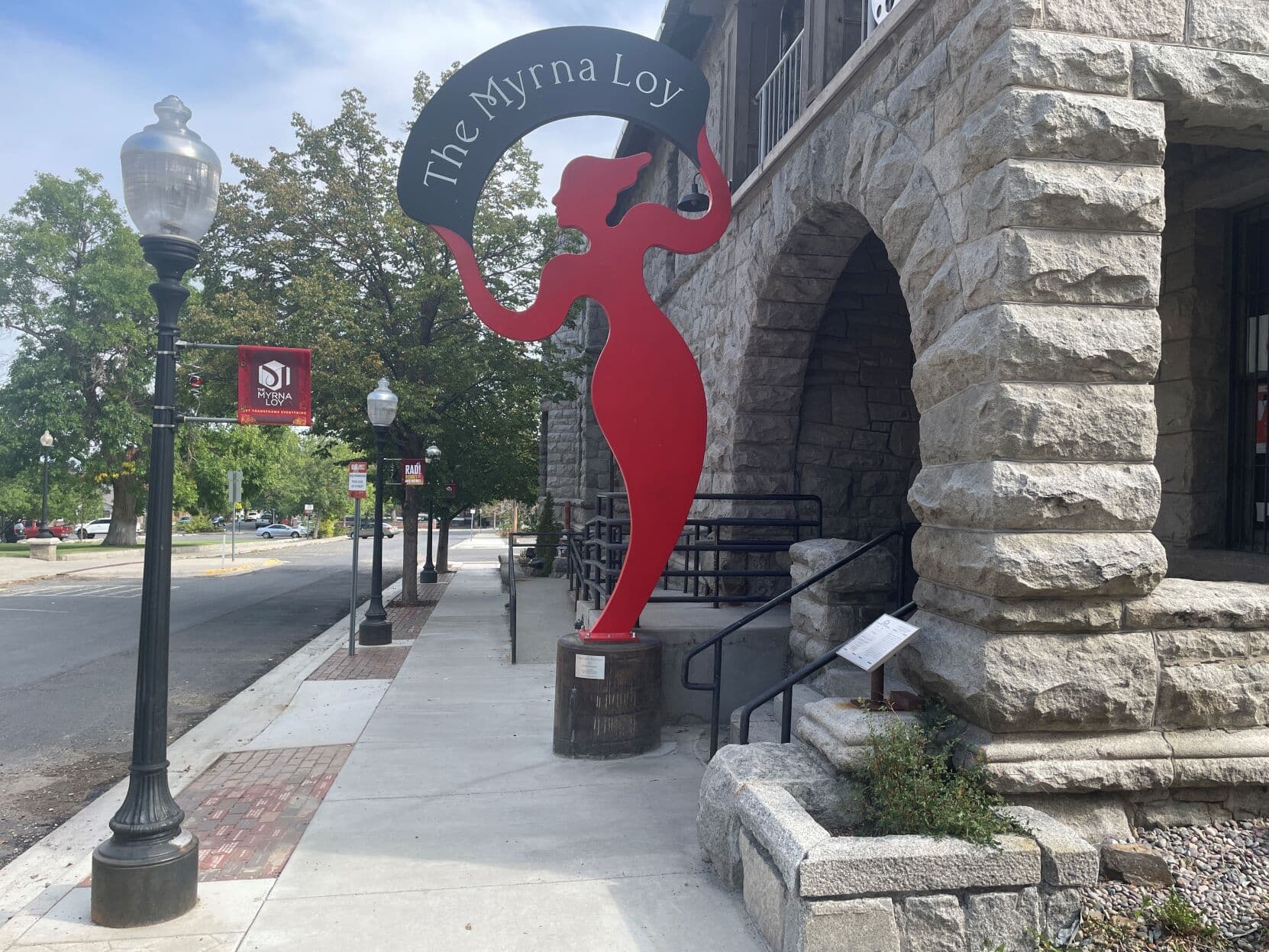
The Myrna Loy Center for the Performing Arts occupies a converted historic building in downtown Helena and functions as the citys central nonprofit presenter of live music, theater, film and community arts. The center maintains gallery space and offers events and education programs throughout the year that are widely used by locals and visitors. Those arts offerings form a predictable cultural rhythm for the county and act as hubs for social gathering and civic life.
Beyond entertainment, the center plays a public health role by fostering social connection and emotional resilience. Regular events and arts education reduce isolation among older adults, offer creative outlets for youth, and create opportunities for cross generational interaction. Those community ties contribute to mental well being and complement clinical health services, particularly in rural regions where social supports can be thin.
The Myrna Loy also contributes to local economic vitality. Performances and film series attract residents and visitors who in turn support nearby restaurants, shops and hospitality businesses. That economic activity sustains jobs and municipal tax revenue, reinforcing the argument that investing in cultural infrastructure yields broad community returns.
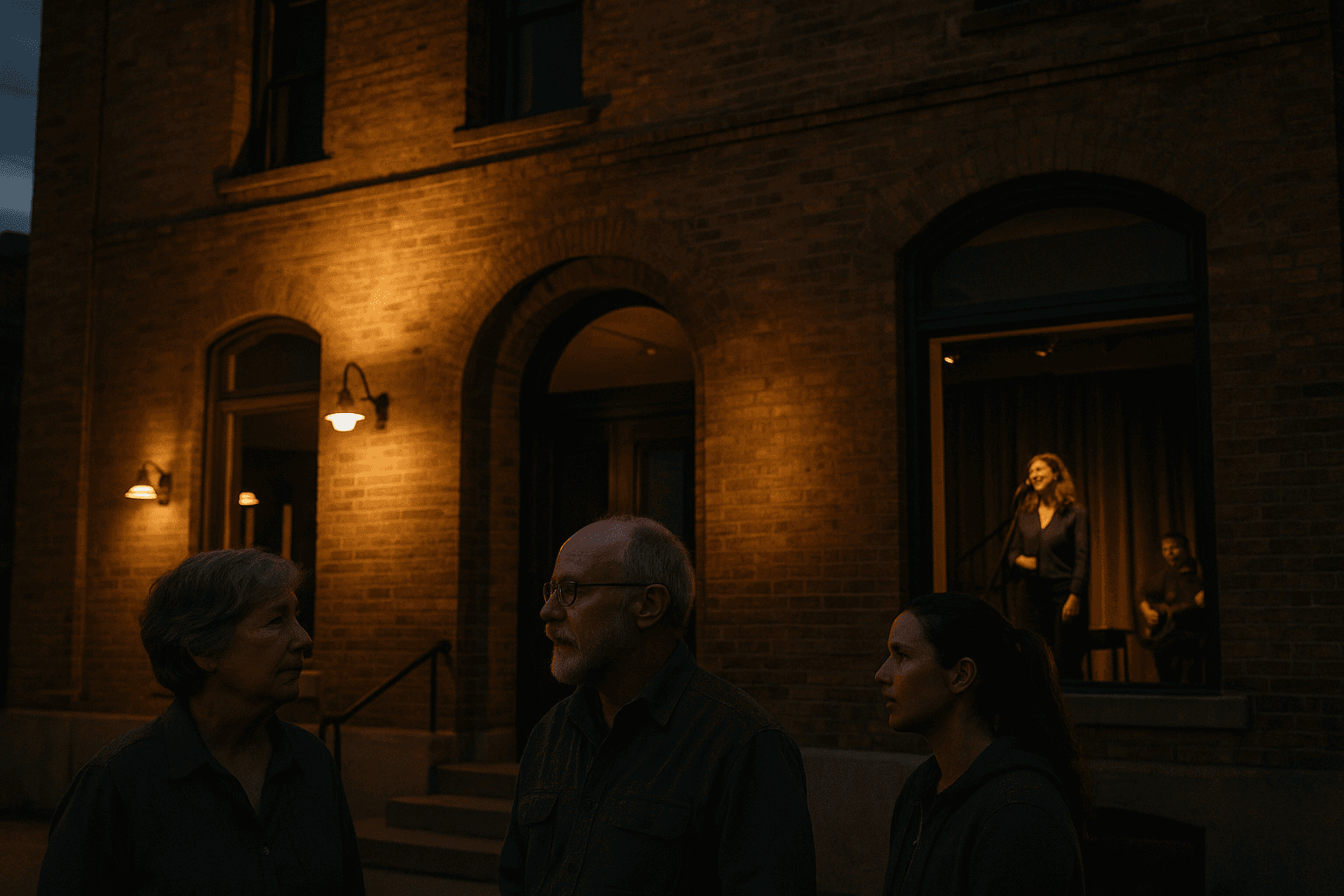
Persistent challenges remain around access and equity. Transportation barriers, ticket costs and limited outreach can keep low income residents and people with disabilities from participating fully. Strengthening partnerships between the arts center, public health agencies, schools and social service organizations can extend programming into underserved neighborhoods, integrate arts based interventions for mental health, and ensure events are physically and financially accessible.
Local policymakers and funders can reinforce these benefits through sustained operating support, targeted subsidies for underserved audiences and investment in accessibility upgrades to the historic facility. As Helena plans for future recovery and resilience, preserving and expanding community arts at the Myrna Loy Center offers a practical strategy for improving public health, supporting economic recovery and advancing social equity across Lewis and Clark County.