National Rhythm & Blues Hall of Fame Selected for Marks, Mississippi
Project planners have selected Marks in Quitman County as the future home of the National Rhythm & Blues Hall of Fame, a nationally focused, interactive museum and cultural center that will link R&B history with civil-rights heritage. Local leaders say the facility is intended to attract tourists, create jobs, and preserve the town’s connection to Dr. Martin Luther King Jr.’s Poor People’s Campaign and the Delta’s musical legacy.
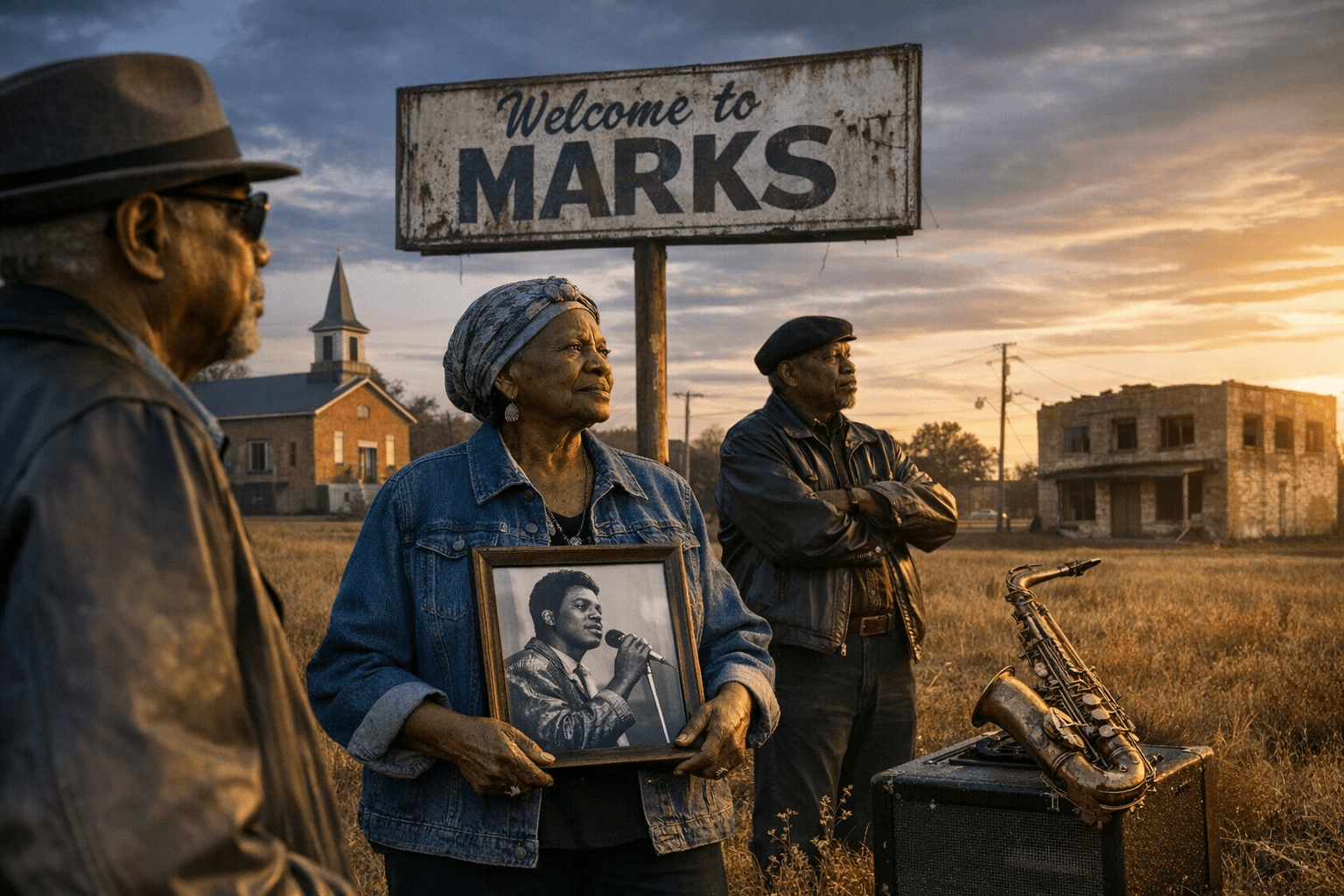
Project planners have chosen Marks, Mississippi, in Quitman County as the site for the National Rhythm & Blues Hall of Fame. The initiative aims to create a nationally focused, interactive museum and cultural center that highlights rhythm and blues music and its role in American culture, particularly its connections to the Civil Rights Movement.
Organizers say the facility will include traditional exhibits alongside immersive and virtual elements, and will host programming designed to draw visitors from across the country. LaMont Robinson, chief executive officer of the National Rhythm & Blues Hall of Fame, has framed the project as filling an important national niche for honoring R&B artists. Local and county economic-development officials have welcomed the decision, expressing hopes that the hall will become a driver of tourism and jobs in Marks.
Marks was selected in part because of its historical link to Dr. Martin Luther King Jr.’s Poor People’s Campaign and the town’s Delta heritage. Project leaders plan to use those strands of history to situate the museum in both musical and civil-rights narratives, making the site a point of interpretation for visitors interested in culture, history, and social movements.
Officials have discussed a multi-year construction timeline for the project. Earlier plans referenced a two- to three-year timeline to completion; spokespeople now describe the build as multi-year as planning and fundraising continue. Project leaders and local officials will face typical challenges for cultural anchors in rural communities: securing capital, managing construction and operational costs, and developing year-round programming that sustains visitation beyond an initial opening surge.
For Quitman County residents, the project carries potential economic implications. Cultural destinations often bolster local hospitality, retail, and service sectors when they generate steady visitor flows, and the hall’s national focus could extend reach beyond regional tourism markets. Local leaders have positioned the hall as an opportunity to preserve and interpret local civil-rights history while creating jobs tied to museum operations, events, and increased visitor spending.
Long-term outcomes will depend on funding, marketing, and the museum’s ability to program, partner, and attract repeat visitation. As of January 1, 2026, the proposal remains in the planning and development phase; community officials and project organizers continue to craft a vision that connects Marks’s Delta identity with a national story about rhythm and blues and the fight for social justice.
Sources:
Know something we missed? Have a correction or additional information?
Submit a Tip