Navajo Code Talker Museum Funding Faces Possible Reversion to State
Navajo Nation officials were warned that capital-outlay funds earmarked for a Navajo Code Talker Museum could revert to New Mexico unless the Nation supplies reauthorization or documentation showing project progress. The warning raises immediate questions about project management, intergovernmental coordination, and the potential loss of up to $9 million in state-appropriated funds that could affect local economic and cultural plans in McKinley County.
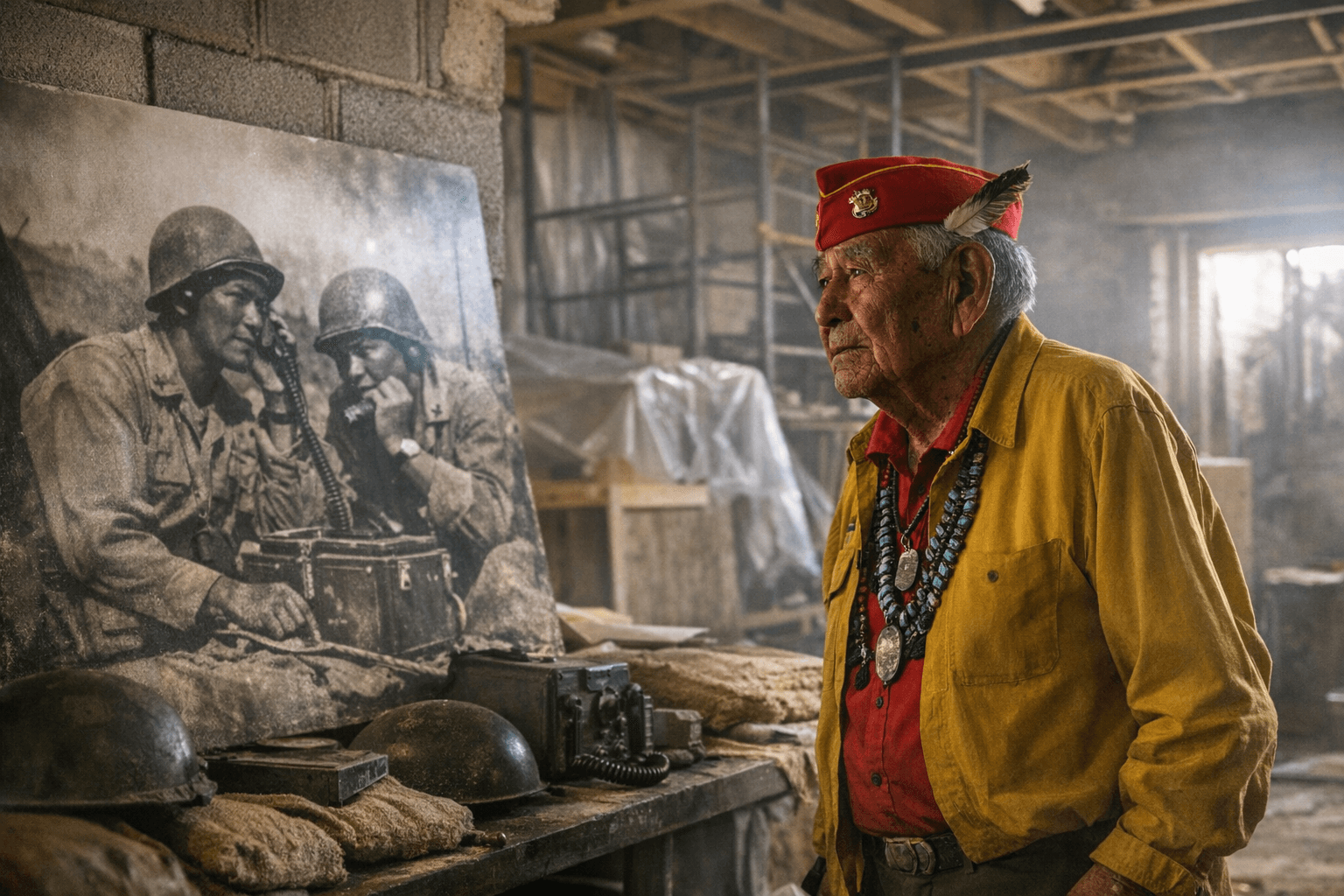
On Jan. 8, 2026, the Navajo Nation Council’s New Mexico Caucus State Task Force Subcommittee was presented with an urgent fiscal risk: capital-outlay funds previously appropriated by New Mexico for a Navajo Code Talker Museum may revert to the state unless the Navajo Nation provides documentation or reauthorization demonstrating movement on the project. State Senator Shannon Pinto (Dist. 3) raised the prospect that up to $9 million could be at risk if an updated fiscal-agent agreement or other proof of progress is not supplied.
Subcommittee members identified several obstacles that have delayed advancement of the museum. Land-withdrawal complications affecting the proposed site remain unresolved, complicating permitting and use. Communication gaps between tribal offices and New Mexico officials have hindered coordination on necessary paperwork and fiscal procedures. In addition, decisions to reallocate portions of the appropriated funds have added uncertainty about the project’s current fiscal status.
Caucus Chair Amber Kanazbah Crotty and other committee members pressed the Office of the President and Vice President and the Nation’s Capital Project Management office for clarity on how any reallocated funds were handled and what steps are being taken to preserve the appropriation. The subcommittee committed to obtaining documentation and pursuing a clear path forward before the New Mexico Legislature reconvenes on Jan. 20, 2026.
For McKinley County, the stakes are practical and immediate. The museum has been framed as both a cultural repository honoring Navajo Code Talkers and an economic development asset that could draw tourists, support small businesses, and create construction and museum operations jobs. Losing state appropriations would not only delay those benefits but could require identifying new funding sources or shrinking the project scope.
Institutional questions now center on accountability and intergovernmental process. The situation highlights the need for a clear fiscal-agent arrangement, timely documentation of project milestones, and better coordination between tribal capital project managers and state officials to meet legislative requirements. The subcommittee’s commitment to secure records by the Jan. 20 deadline sets a narrow window for officials to demonstrate progress and preserve funding.
Residents concerned about the project’s future should monitor Navajo Nation Council and New Mexico Caucus subcommittee communications and seek updates from the Nation’s Capital Project Management office. The resolution of these procedural and communication issues will determine whether the museum moves forward as planned or whether a significant state appropriation will revert, altering economic and cultural plans for the region.
Sources:
Know something we missed? Have a correction or additional information?
Submit a Tip