Nearly Half Million Gallons Sent to Silver Creek, State Opens Probe
A state environmental investigation began after contractors working for Park City School District discharged nearly 500,000 gallons of groundwater from the Treasure Mountain Junior High demolition site into a storm drain that feeds Silver Creek, and in one instance directly into the creek. Early samples show arsenic and lead in site groundwater, the discharge was unpermitted, and downstream test results needed to quantify contamination have not yet been released, raising health and economic concerns for Summit County residents.
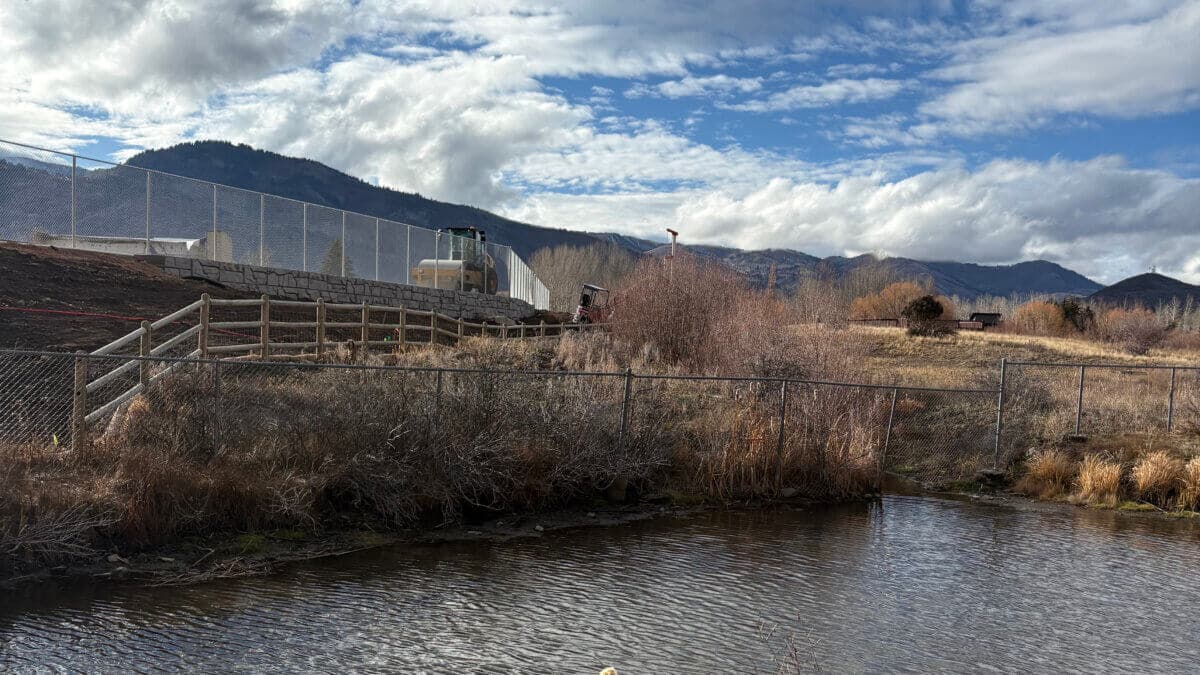
On December 5, 2025 state investigators opened a probe into a large, unpermitted discharge of groundwater from the Treasure Mountain Junior High demolition site. Records show that between September 9 and October 8 nearly 500,000 gallons were pumped from the site into a storm drain that conveys water to Silver Creek, and at least one entry of pumped water went directly into the creek. Pump logs also record volumes associated with an October 10 incident, and those internal logs dispute the district's earlier public characterization of the discharge.
Early samples collected by the Utah Department of Environmental Quality at the demolition site indicate the groundwater contained arsenic and lead. The DEQ has identified the incident as an "unpermitted" release and labeled it a "high priority enforcement matter." Downstream laboratory results that would quantify contamination entering Silver Creek have not been released in full. Some documents related to the matter were withheld from the records request, citing "pending litigation" and an "active investigation."
The contractors and consultants involved include Hogan Construction as the general contractor and R&R Environmental as the on site consultant until its contract was terminated. The Treasure Mountain campus is subject to an existing Superfund CERCLA agreement because of historic mining waste on and near the property. That regulatory history increases the complexity of assessing environmental and liability risks, and it heightens the stakes for remediation and enforcement decisions.
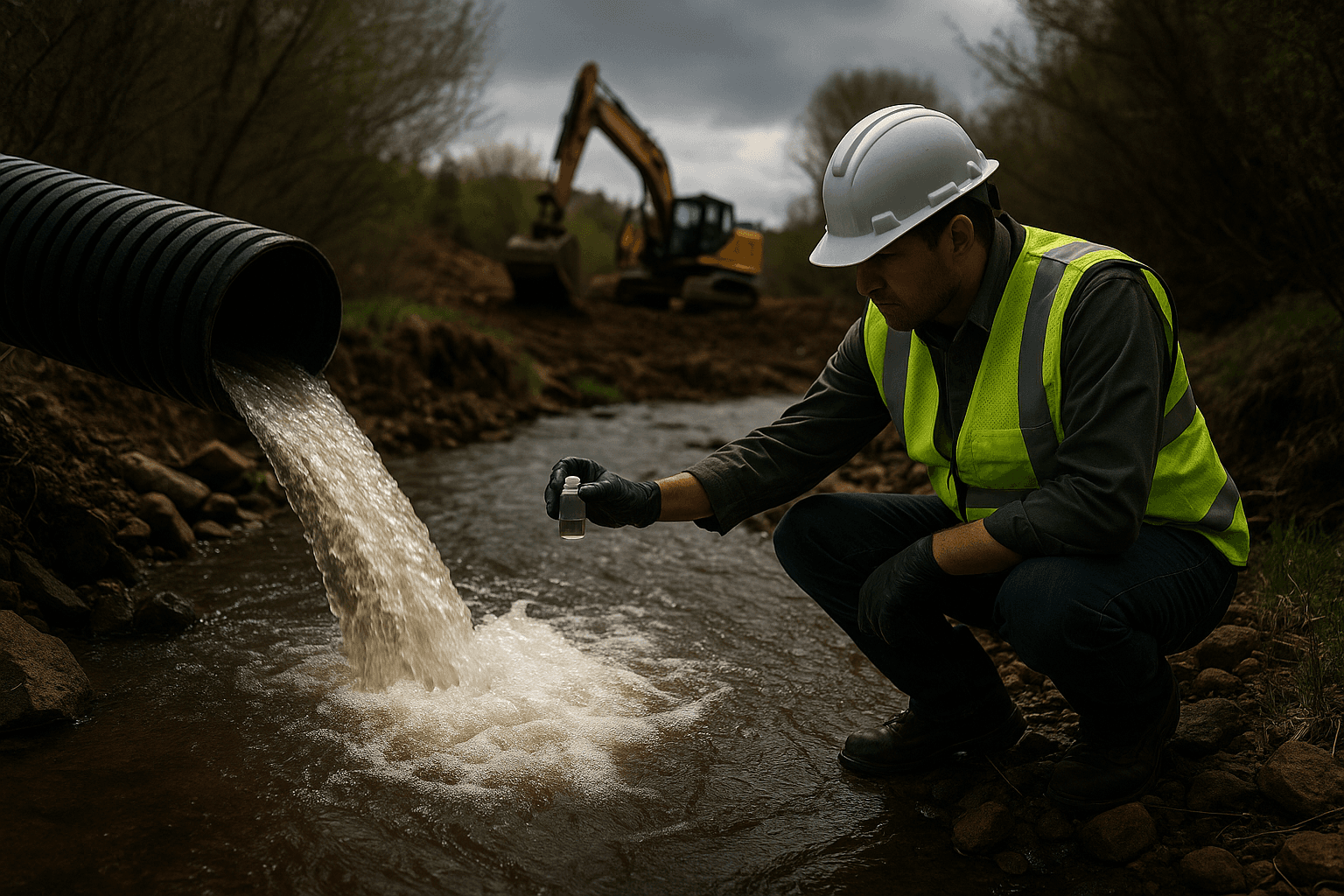
For Summit County residents, the incident carries immediate public health and economic implications. Silver Creek is a local waterway used for recreation and supports downstream ecosystems that affect tourism and property values. Unquantified contamination could impose municipal costs for testing and cleanup, complicate redevelopment of the school site, and trigger enforcement actions that could affect district finances. Over the longer term the episode underscores persistent regional challenges from legacy mining contamination and the need for tighter oversight during demolition and construction on contaminated campuses.
The matter remains ongoing. State investigators have not released final downstream test results, and local officials have offered limited public comment. Residents and local leaders will be watching for DEQ findings and any enforcement steps that clarify exposure risks and responsibilities for cleanup.