NELP Offers Practical Resources for McDonald's Workers Facing Wage Theft
A national worker advocacy group is maintaining detailed, practical resources to help fast food and low wage service workers, including McDonald's employees, document wage and hour violations and pursue complaints with state agencies or the federal Department of Labor. The materials also cover predictable scheduling, paid leave, local policy campaigns and organizing strategies, giving frontline workers tools to enforce rights and coordinate collective action.
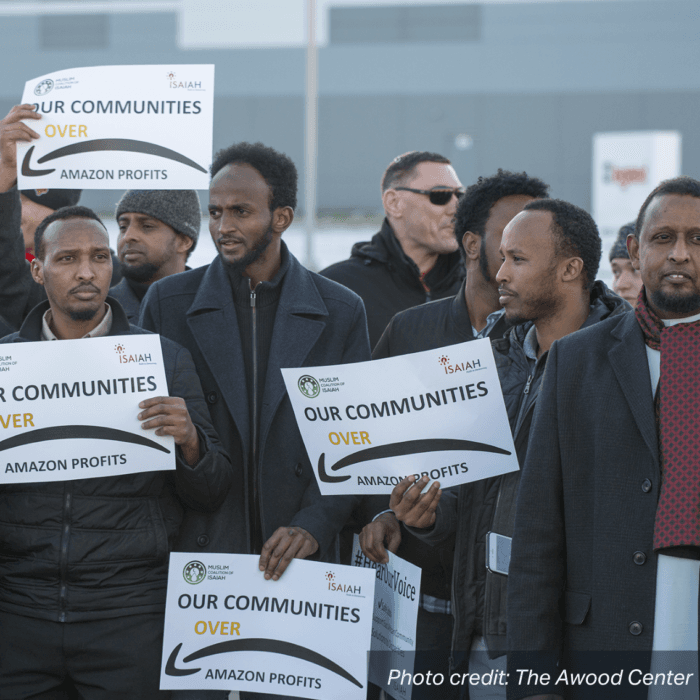
The National Employment Law Project is offering a suite of materials aimed at fast food and low wage service workers who face wage theft, unpredictable schedules and other common workplace problems. The resources lay out how to document violations, what evidence to collect and how to submit complaints to state labor agencies or the federal Department of Labor, providing a practical roadmap for hourly restaurant workers who may lack clear recourse at their store.
Included in the package are model complaint letters and checklists tailored to hourly restaurant workers. The guidance specifies the kinds of evidence that strengthen a case, such as timesheets, paystubs and communications with managers or corporate representatives. That level of detail is designed to help employees establish a record before they file administrative complaints or seek legal help.
The materials also summarize local ordinances and sector specific policy campaigns, including predictable scheduling rules and minimum wage initiatives, and link workers to local worker centers. For employee groups exploring collective action, the materials offer practical tips on outreach to community partners and referrals to legal assistance and clinics. The combination of documentation tools and organizing guidance is intended to make it easier for frontline workers to move from individual complaints to broader workplace change.

For McDonald's employees, who typically work in franchise operations with decentralized management, the resources matter because they lower the technical and procedural barriers to enforcement. Better documentation and clearer complaint letters can speed agency review and improve the odds of recovery for unpaid wages. Organizing guidance can also shift workplace dynamics by helping workers coordinate across multiple stores and engage community allies.
Workers who suspect violations can use the materials to prepare complaints to the appropriate state labor agency or to the federal Department of Labor, and to connect with local worker centers and legal clinics for representation or further assistance. The resources aim to equip employees with legally grounded, practical steps they can take to protect pay, schedules and workplace rights.
Sources:
Know something we missed? Have a correction or additional information?
Submit a Tip