Netanyahu to Meet Trump, Review Second Phase of Gaza Plan
Israeli Prime Minister Benjamin Netanyahu will meet U.S. President Donald Trump on December 29 to review the next steps of a U.S. backed ceasefire plan for Gaza, Israeli officials announced. The encounter could shape whether the fragile truce endures, as leaders will weigh disarmament, governance and the role of any international stabilization force.

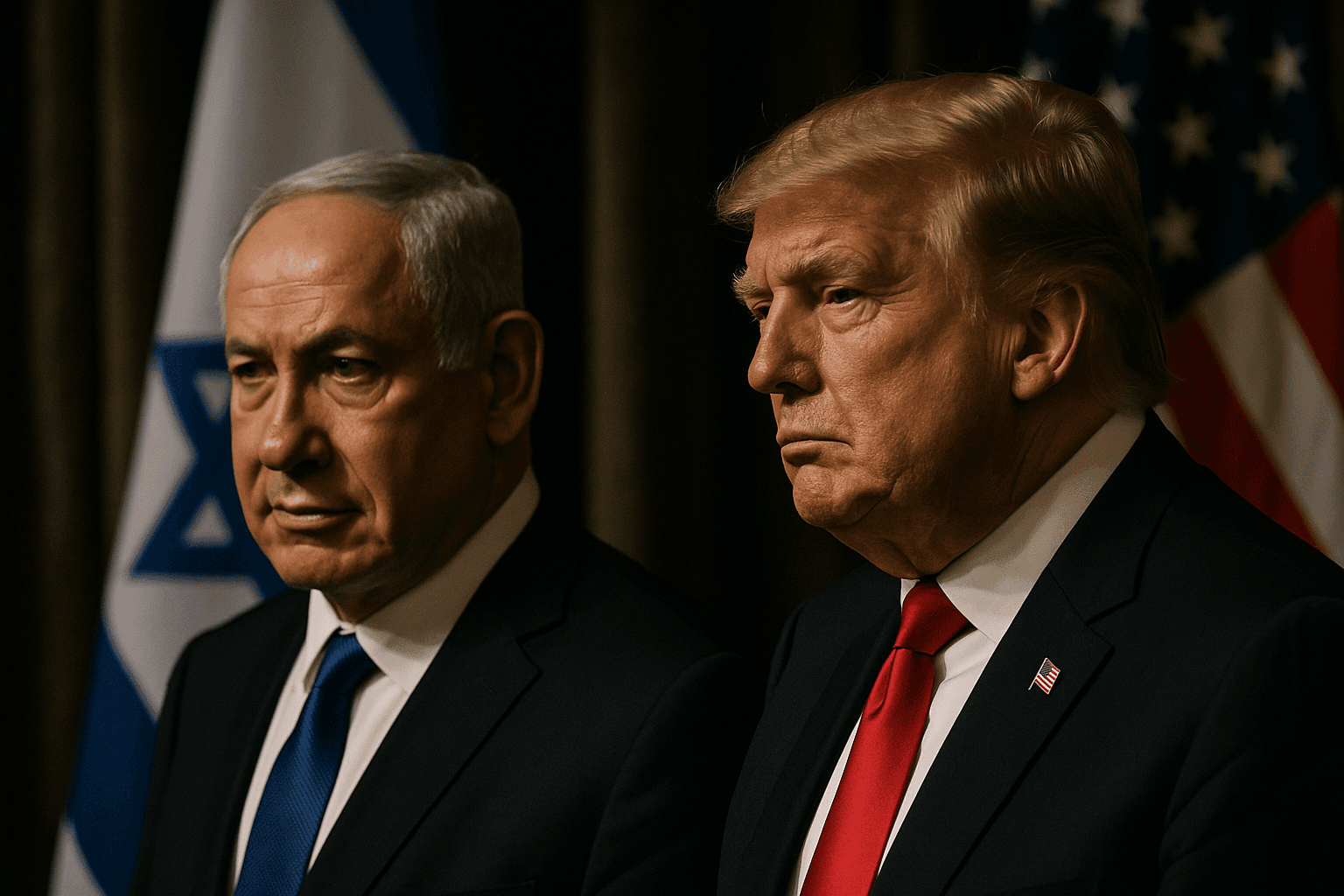
Israeli officials on December 8 said Prime Minister Benjamin Netanyahu will travel to Washington to meet U.S. President Donald Trump on December 29 for talks aimed at advancing the second phase of a ceasefire plan for Gaza. The meeting reflects intensified U.S. engagement in brokering an outcome after a truce that began in October has been repeatedly strained by alleged violations and unresolved core issues.
According to the Israeli government spokesman, the leaders will discuss measures to disarm Hamas, governance arrangements for Gaza, and the scope and mandate of any international stabilization or security force. Those three topics form the center of diplomatic debate over how to translate a cessation of hostilities into a durable political settlement while addressing Israel's security demands and Palestinian aspirations for self governance.
The ceasefire that took hold in October has reduced the intensity of open conflict but remains precarious. Both sides have reported violations and the parties have yet to resolve longstanding questions including the mechanisms for enforcing disarmament, who will administer Gaza during a transition, and how international actors would operate on the ground without infringing on sovereignty or fueling new tensions. The announcement came in a dispatch from Jerusalem reported by Reuters reporters Maayan Lubell and Steve Scheer.
The upcoming meeting will test Washington's ability to knit together an approach that satisfies Israeli security imperatives and addresses international legal and humanitarian concerns. Disarmament of an armed non state actor like Hamas raises complex issues under international law, including what mechanisms can be used to verify surrender of weapons, the protection of civilians during any disarmament process, and accountability for breaches of the ceasefire.
Governance arrangements are politically fraught. Any move to alter or replace Palestinian Authority institutions in Gaza would have wide regional implications and could exacerbate divisions between Palestinian political factions. Regional states such as Egypt and Qatar have served as mediators and guarantors in past arrangements, and their buy in will be essential for any stabilization plan to gain legitimacy with local populations.
A proposed international stabilization force would face its own legal and operational hurdles. Deployment typically requires clear mandates, defined rules of engagement, and either United Nations Security Council authorization or a consensus among regional partners willing to host forces and share responsibility. Questions about troop contributors, duration of mandate, and monitoring mechanisms will be central to discussions in Washington.
Beyond the immediate technicalities, the meeting carries symbolic weight. It signals close U.S. Israeli coordination at a moment when regional actors and humanitarian organizations are pressing for predictable access to aid and reconstruction resources. How the two leaders reconcile security priorities with broader needs on the ground will influence whether the ceasefire evolves into a sustainable pause or collapses back into wider conflict.