New behavioral clinic opens in Perham, expands services to nearby towns
Reframe Behavior Consulting, owned by Abigail Montgomery, opened a downtown Perham practice on December 8, 2025, offering behavioral supports and skill building that use therapeutic toys and activities. The clinic has already extended services to Wadena and Fergus Falls, increasing local access to care and illustrating a practical example of small business growth that matters for families across the region.

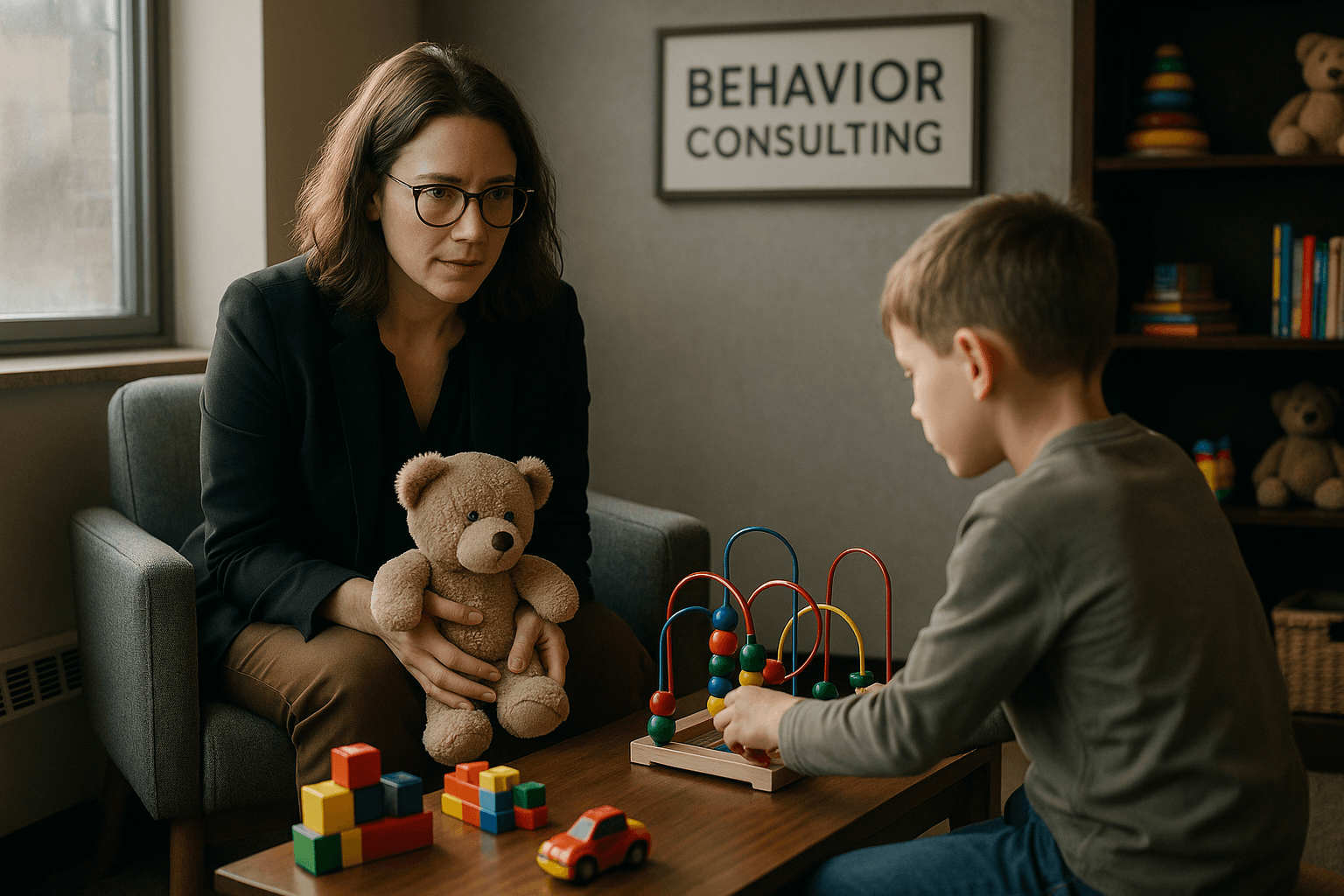
Reframe Behavior Consulting opened its doors in downtown Perham on December 8, 2025, introducing a locally based option for behavioral supports and skill building aimed at children and families. Owner Abigail Montgomery built the practice around hands on therapeutic toys and structured activities designed to teach social and daily living skills. The new clinic provides in town appointments and has begun serving clients in nearby Wadena and Fergus Falls, extending capacity beyond Perham from day one.
Local access to behavioral services is a recurring concern in rural counties where longer travel times and limited provider networks can delay care. Placing a practice in Perham reduces travel burdens for families who previously had to seek appointments out of town. For a community with a county population of roughly 60,000, closer services can lower both time costs and out of pocket expenses, while keeping health care spending within the local economy.
The opening represents a small business expansion in a sector that has seen steady demand since the pandemic increased attention to developmental and mental health needs. Early outreach into Wadena and Fergus Falls signals a regional strategy rather than an isolated storefront. That reach matters for market implications, because clinics that serve multiple towns can justify investment in staff and specialized materials while spreading fixed costs across a wider client base. For local policymakers, this model shows how entrepreneurship can help plug gaps in the health care safety net without relying solely on larger institutions.
Long term, increasing the number of community based behavioral providers supports school readiness and family stability, outcomes that have measurable economic benefits through improved educational attainment and reduced need for costly interventions later. Sustained impact will hinge on workforce supply and reimbursement rates from insurers and public programs, two policy levers that determine whether small clinics survive and scale.
Reframe Behavior Consulting’s early growth and regional outreach offer a practical boost to families in Perham and surrounding towns. If the practice can convert early demand into stable caseloads, it may serve as a template for similar rural communities seeking to expand local health services through small business entrepreneurship.