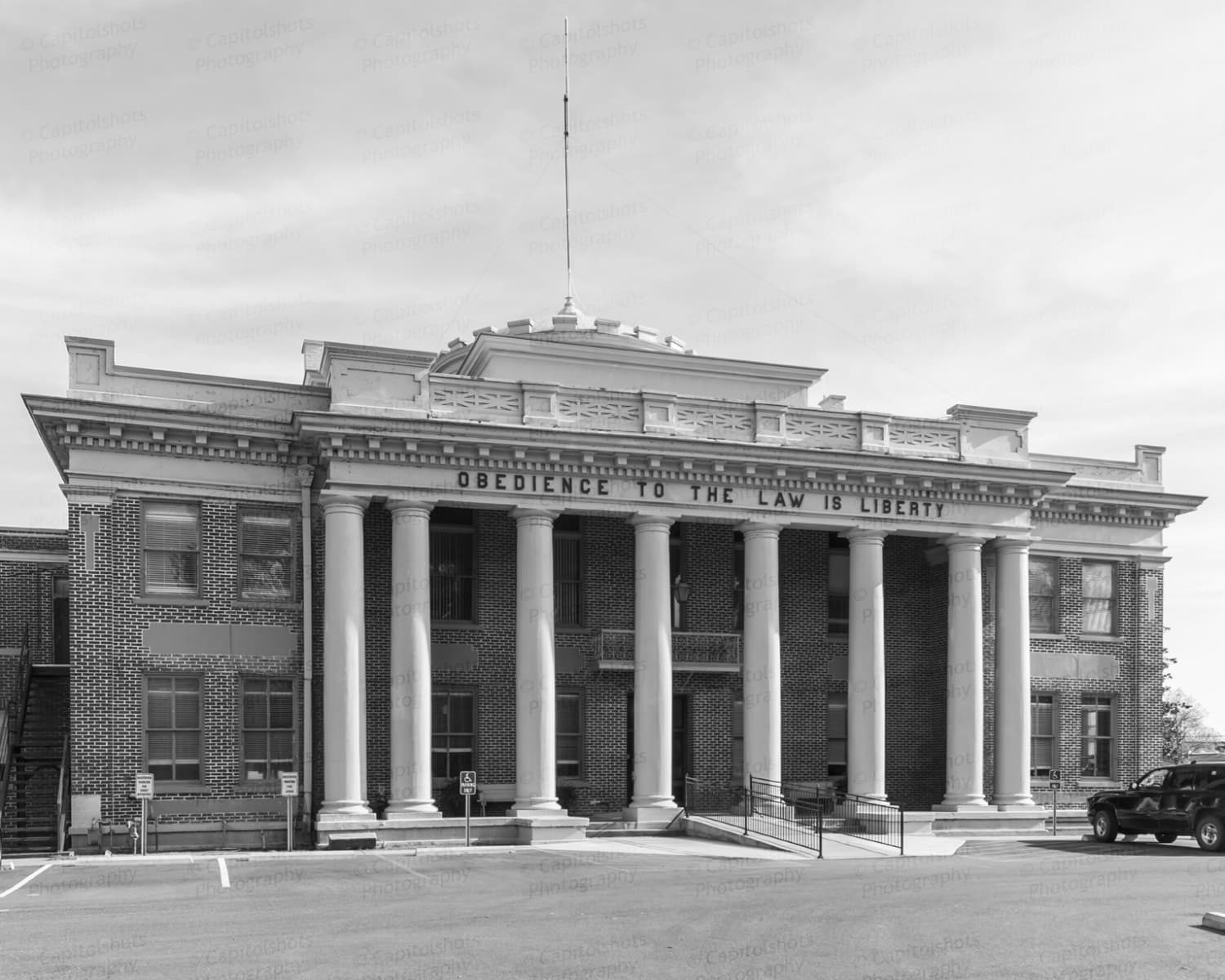
New digital genealogy records expand Quitman County family history access
An online collection of Quitman County historical records was updated on December 7, 2025, adding new birth notices, marriage records, Bible records and other small items that matter to local families. The additions strengthen access to cemetery indexes and obituaries for Marks, Lambert, Crowder, Falcon and surrounding communities, providing practical tools for family researchers and community planning.
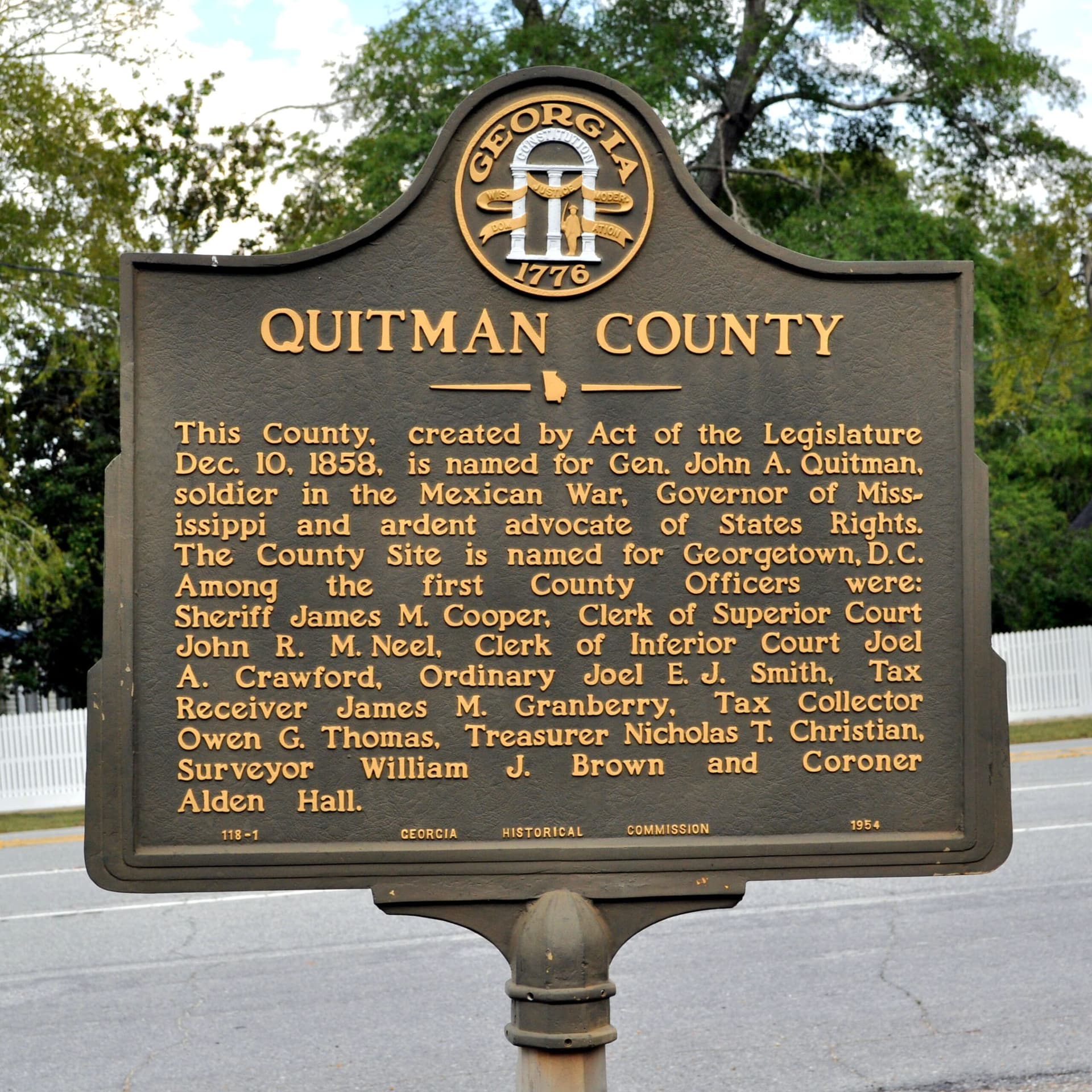
On December 7, 2025 an updated set of Quitman County historical records went live, adding a clutch of small but significant items that will matter to descendants, local historians and public agencies. The update includes Bible records from the family of Mr. and Mrs. John C. Rich of Marks, new items labeled Frank Ross news, birth notices for Turner, Touchstone and Marks, and multiple marriage records for local families. The page also contains cemetery indexes, obituaries and other archival material covering Marks, Lambert, Crowder, Falcon and nearby unincorporated places.
For residents tracing lineage or settling estate questions, these additions can fill gaps where official vital records are thin or delayed. Local funeral homes, churches and county offices often rely on family sourced records when formal documents are missing. The newly posted marriage and birth notices can help confirm kinship, clarify dates of key life events, and support applications for benefits that depend on proof of relationship.
There are public health implications as well. Family histories that are easier to assemble can improve clinicians ability to assess hereditary risk for conditions that disproportionately affect the Delta region. Community health workers and clinics can use clearer family trees to target screenings and prevention services more effectively. Conversely the benefits of digitized records are limited if residents lack reliable internet access or digital skills, reinforcing existing divides in Quitman County and other rural communities.
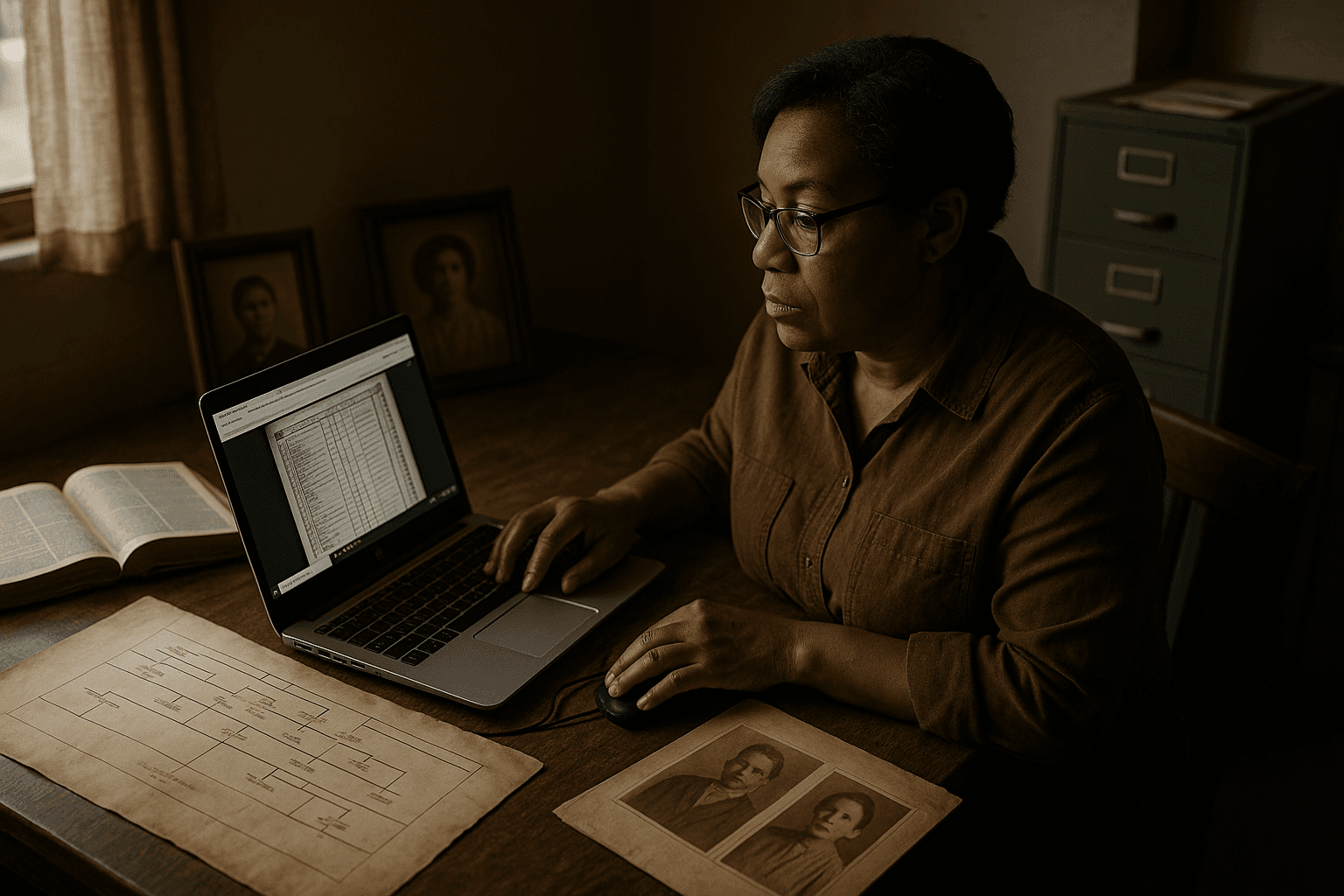
This update also strengthens cultural memory for small towns where oral history once served as the primary archive. Cemetery indexes and obituary listings help preserve stories of elders and link younger generations to the social fabric of Marks, Lambert, Crowder and Falcon. Preservation of these records supports civic planning, genealogical research and nonprofit efforts that address historical inequities.
Residents who need help accessing the material in person can consult local libraries or county offices for assistance with public computers and copying. As these digital archives grow, officials and community groups may consider coordinated efforts to ensure equitable access and to integrate archival information with health outreach and legal services.
Sources:
Know something we missed? Have a correction or additional information?
Submit a Tip