New EMT Class at Brunswick Landing Boosts Midcoast Volunteer Capacity
Fourteen students completed an emergency medical technician training course this fall on the Southern Maine Community College campus at Brunswick Landing, expanding volunteer EMS capacity for nearby island communities. The local offering addresses staffing pressures faced by volunteer departments, and its regional partnership model matters for Sagadahoc County residents who host the program and rely on Midcoast emergency coverage.
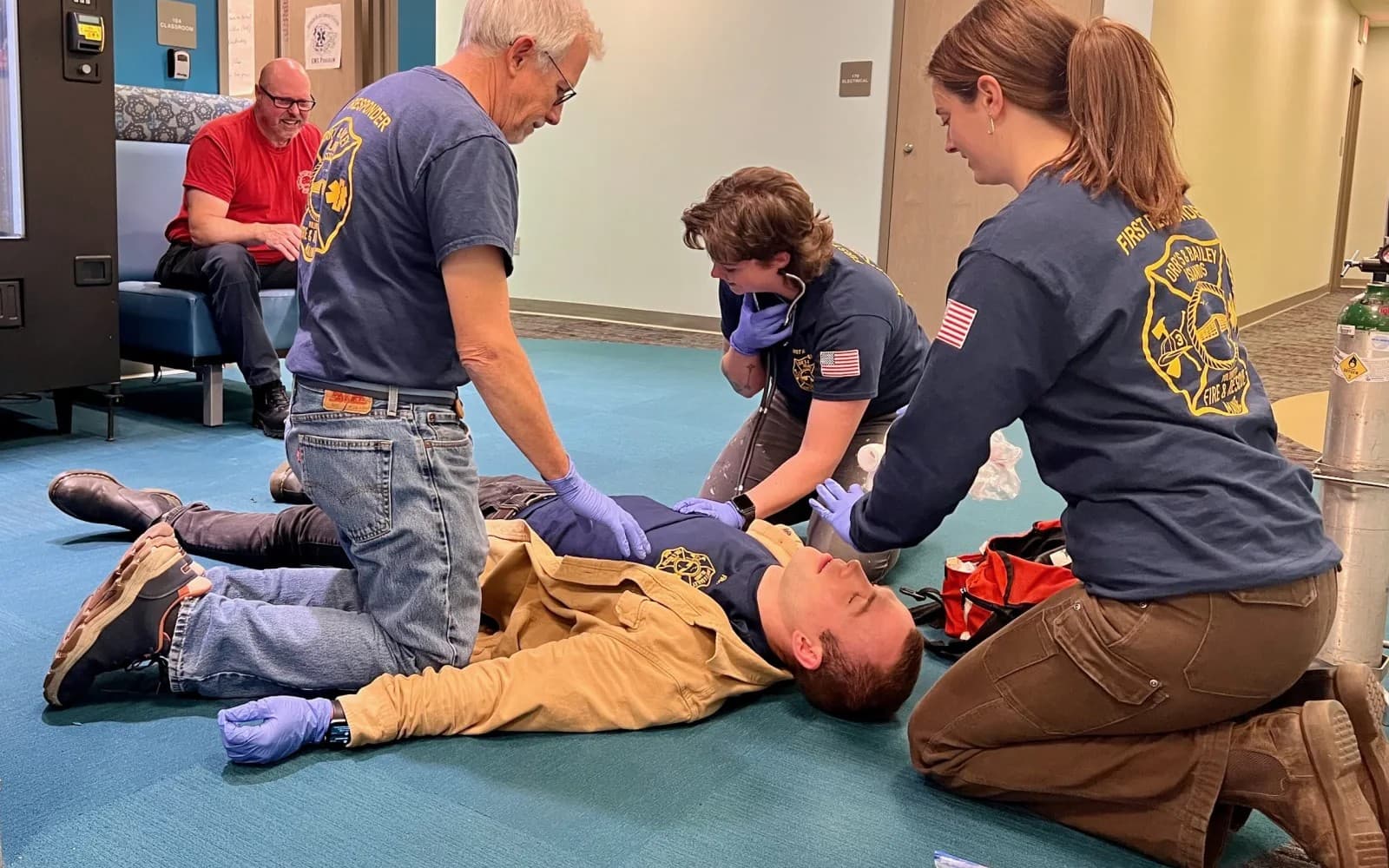
Fourteen people finished an emergency medical technician training program this fall on the Southern Maine Community College campus at Brunswick Landing. The class was organized after local officials pressed for more flexible, local training options, and several graduates plan to join Harpswell Neck Fire & Rescue and the Orr's and Bailey Islands Fire Department, substantially increasing volunteer EMT capacity on the islands.
The completion of the course directly responds to acute staffing pressures facing volunteer departments across the Midcoast. Many local chiefs and volunteers have been stretched by long hours and aging leadership, creating gaps in coverage and increasing reliance on a shrinking pool of responders. By delivering training at Brunswick Landing, the program reduced travel and scheduling barriers that had kept potential recruits from completing certification, and it tapped a regional training resource located in Sagadahoc County.
Hosting the class on the Southern Maine Community College campus strengthens cross county cooperation between Sagadahoc and neighboring Cumberland County towns. For Sagadahoc County residents the program is more than a training event. It positions local infrastructure as a hub for building the emergency workforce that serves the broader Midcoast, and it underscores the county role in sustaining island and coastal emergency services that rely on volunteers.

Public health implications include improved readiness for time sensitive emergencies and a reduced likelihood of service gaps during peak demand. Expanding the number of certified volunteer EMTs on the islands can shorten response times and ease pressure on career ambulance services that are already balancing increased call volumes. The course also highlights systemic issues in rural emergency care, including the need for flexible scheduling, ongoing training support, and investment in local education pipelines.
Program organizers and municipal leaders say the class could serve as a model for other communities seeking to recruit and retain volunteer responders. As the Midcoast grapples with demographic change and workforce strain, local training partnerships and accessible certification options will be critical to maintaining equitable emergency coverage for residents across islands and mainland neighborhoods.
Sources:
Know something we missed? Have a correction or additional information?
Submit a Tip