New Family Grocery Restores Fresh Food Access in Quitman County
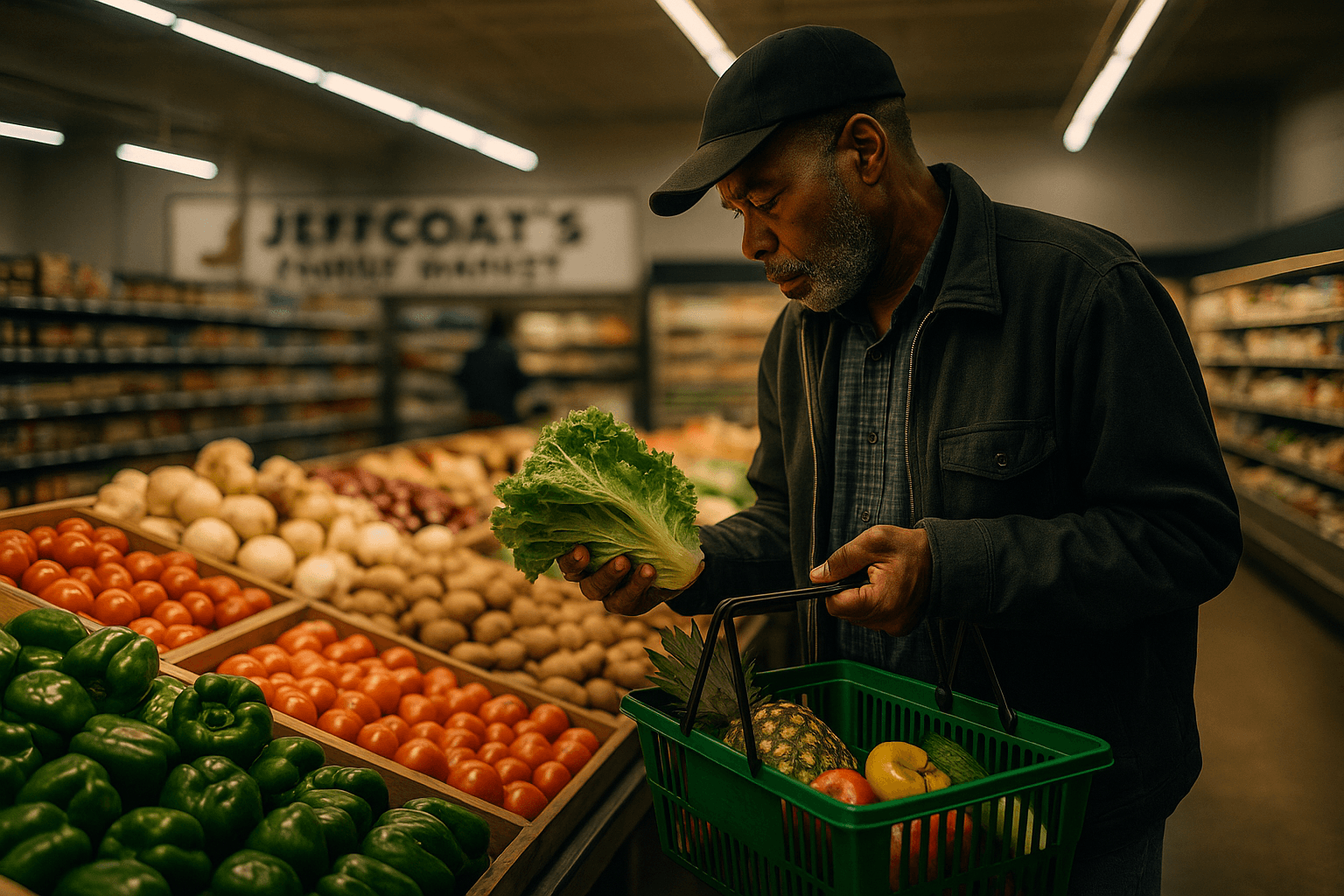
A renovated supermarket in Marks reopened as Jeffcoat’s Family Market, restoring full service grocery access for Quitman County after an eight year gap. The project used a $200,000 Healthy Foods Financing Initiative award and local partnership to reduce startup costs, shorten 30 to 60 minute grocery trips for residents, and begin returning local food spending to the community.
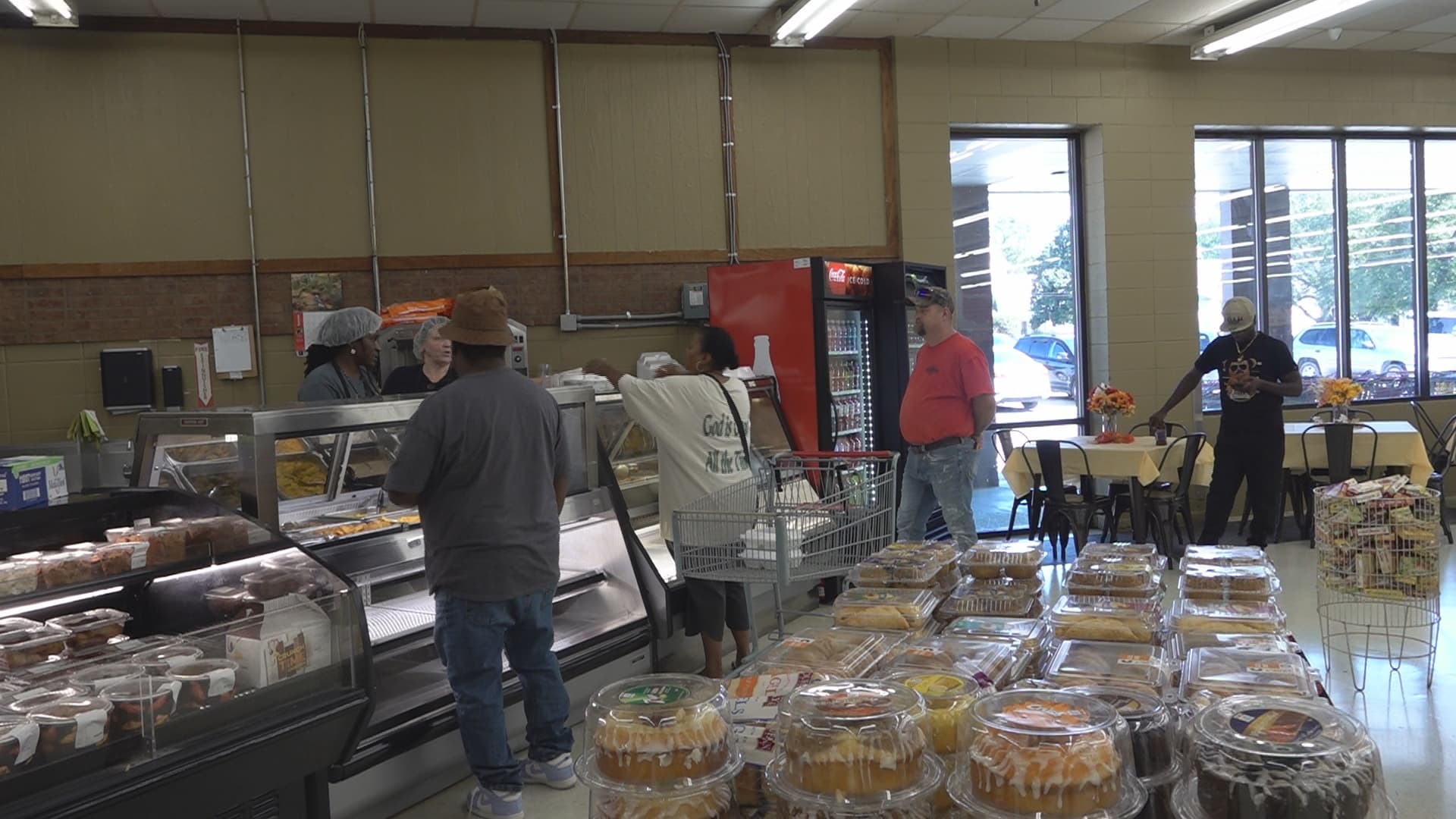
Quitman County regained a full service grocery when Jeffcoat’s Family Market opened in the renovated supermarket building in Marks, ending a stretch that began in 2017 when the county’s only full service grocery closed. For years residents routinely drove 30 to 60 minutes to buy everyday groceries. Local leaders and county officials identified the vacant building and worked with community partners to make the location viable for a family owned operator.
The project relied on grant support to bridge the financial gap that often blocks rural food retail. The county secured a Healthy Foods Financing Initiative award worth $200,000, a federal and state funding stream administered through USDA or partner programs, to lower renovation and startup costs and to attract an experienced operator. James Jeffcoat, who owns and operates an existing store in Tunica County, agreed to open a second location in the Marks building under the Jeffcoat’s Family Market name.
Early results point to immediate community value. The store restored local access to fresh food and basic groceries, reducing travel time and transportation costs for seniors and residents without vehicles. Local officials report improving foot traffic and shoppers coming from neighboring areas, which begins to recapture grocery spending that had flowed out of the county for years. Restoring a nearby grocery also supports quality of life and may slow economic leakage that erodes small town retail bases.
The Mississippi State University Extension Center for Government and Community Development and local elected officials played key roles identifying funding sources and recruiting the grocer. The case underscores the structural challenges of rural food retail, where high startup and operating costs deter investment. In this instance targeted public funding was critical to change the investment calculus.
Longer term, the new market can influence local economic trends by increasing convenience, supporting vulnerable residents, and creating a focal point for neighborhood commerce. Sustaining the gain will depend on continued community patronage, effective cost management by the operator, and willingness by public partners to address persistent barriers to rural grocery investment.