New mental-health evaluation rules spark hospitals and sheriffs dispute
New state rules expanding mental-health evaluations for criminal suspects prompted a dispute between hospitals and sheriffs, affecting Wake County emergency departments and courts.

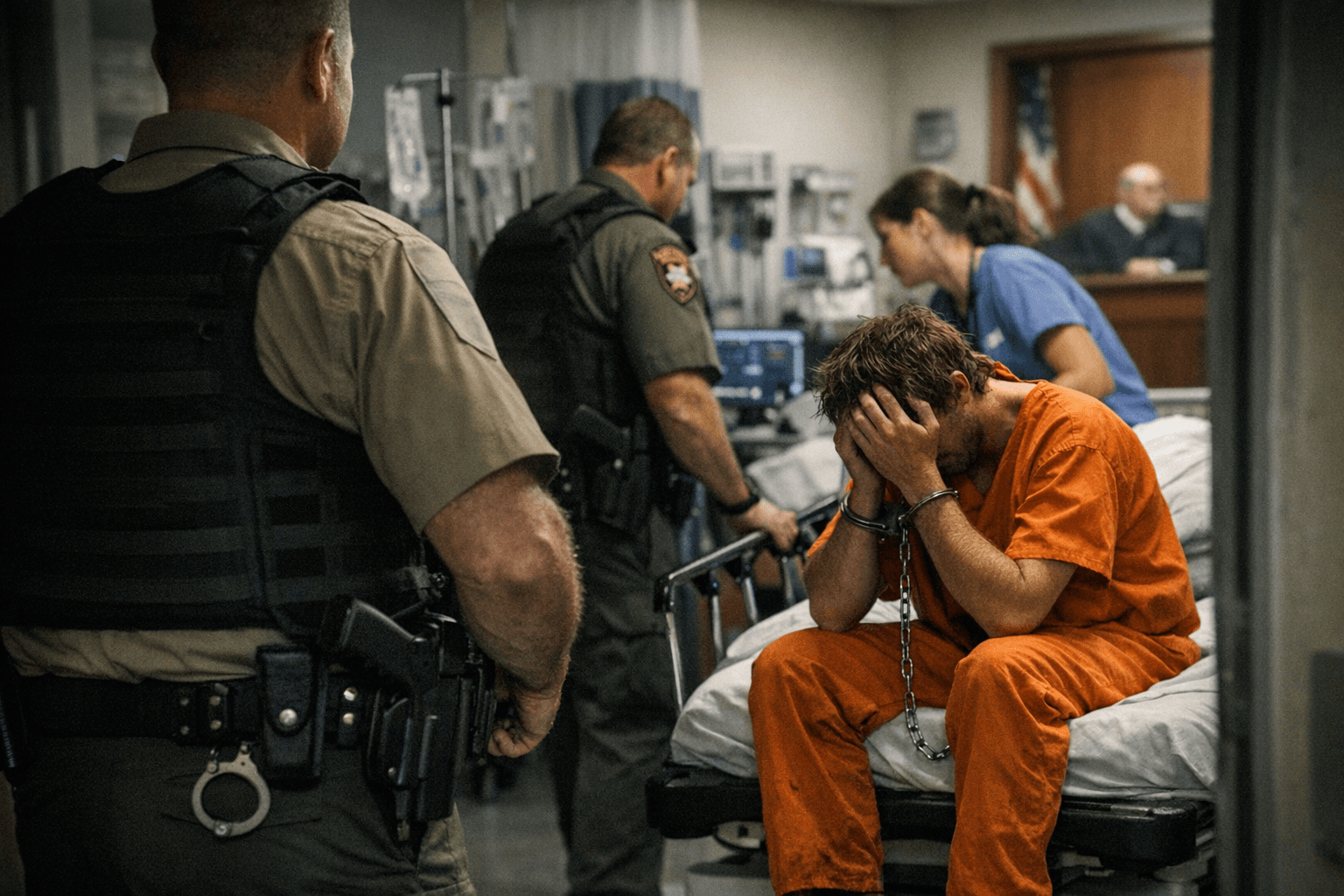
State rules approved last year that require more mental-health evaluations for criminal suspects have opened a fraught debate between hospital leaders and county sheriffs, a fight with direct consequences for Wake County residents. The policy seeks to identify people who need psychiatric care and to reduce the number of repeat violent offenders released without treatment, but hospitals say the change will strain emergency departments and create liability and logistical headaches when asked to complete those assessments.
Hospital administrators have warned that sending more evaluation work to emergency departments risks worsening crowding, lengthening waits for all patients and diverting clinical staff from medical care. They say staffing shortages, scarce inpatient psychiatric beds and the complexity of conducting timely behavioral-health assessments in a busy ED setting could make compliance difficult and expose hospitals to legal risk if evaluations are judged inadequate.
Sheriffs and several law enforcement groups counter that the expanded evaluations are necessary to keep dangerous repeat offenders and some people with severe untreated mental illness from returning quickly to the streets. Law enforcement leaders have praised procedures that allow judges to consider commitment and treatment more readily, arguing those measures give courts better options to address individuals whose health needs contribute to repeated involvement with the criminal justice system.
The dispute plays out at multiple local touchpoints: emergency departments, county jails, magistrates courts and community mental-health providers. Wake County emergency medical services and area EDs may face more transports and longer stays for patients undergoing psychiatric assessment. Jails and courts could see shifts in custody patterns if more defendants are diverted to treatment or held for psychiatric commitment evaluations. Community health centers that already operate with limited resources may be asked to receive higher referral volumes without concurrent increases in funding.
Public health implications extend beyond logistics. The policy highlights long-standing gaps in outpatient mental-health care and crisis services across Wake County and the state. Without expanded community-based treatment capacity, increased use of EDs and inpatient commitment could simply shift the bottleneck rather than resolve it. The debate also raises equity concerns: people with the fewest resources and the least access to continuous care stand to be most affected by system strain and by decisions made in courts and hospitals.
Policymakers face a choice between pushing evaluation work onto existing safety-net institutions and investing in alternatives such as mobile crisis teams, outpatient treatment slots, telepsychiatry and clearer protocols that protect clinicians and patients. For Wake County, the practical question is how to implement the rules in ways that keep the public safe while protecting hospital capacity and ensuring that people with serious mental illness get timely, humane care.
Our two cents? Contact your county officials and health board to ask how they will fund crisis care and protect ED capacity, and support local programs that expand outpatient treatment so evaluations lead to real help, not another closed loop between ERs and jails.
Sources:
Know something we missed? Have a correction or additional information?
Submit a Tip