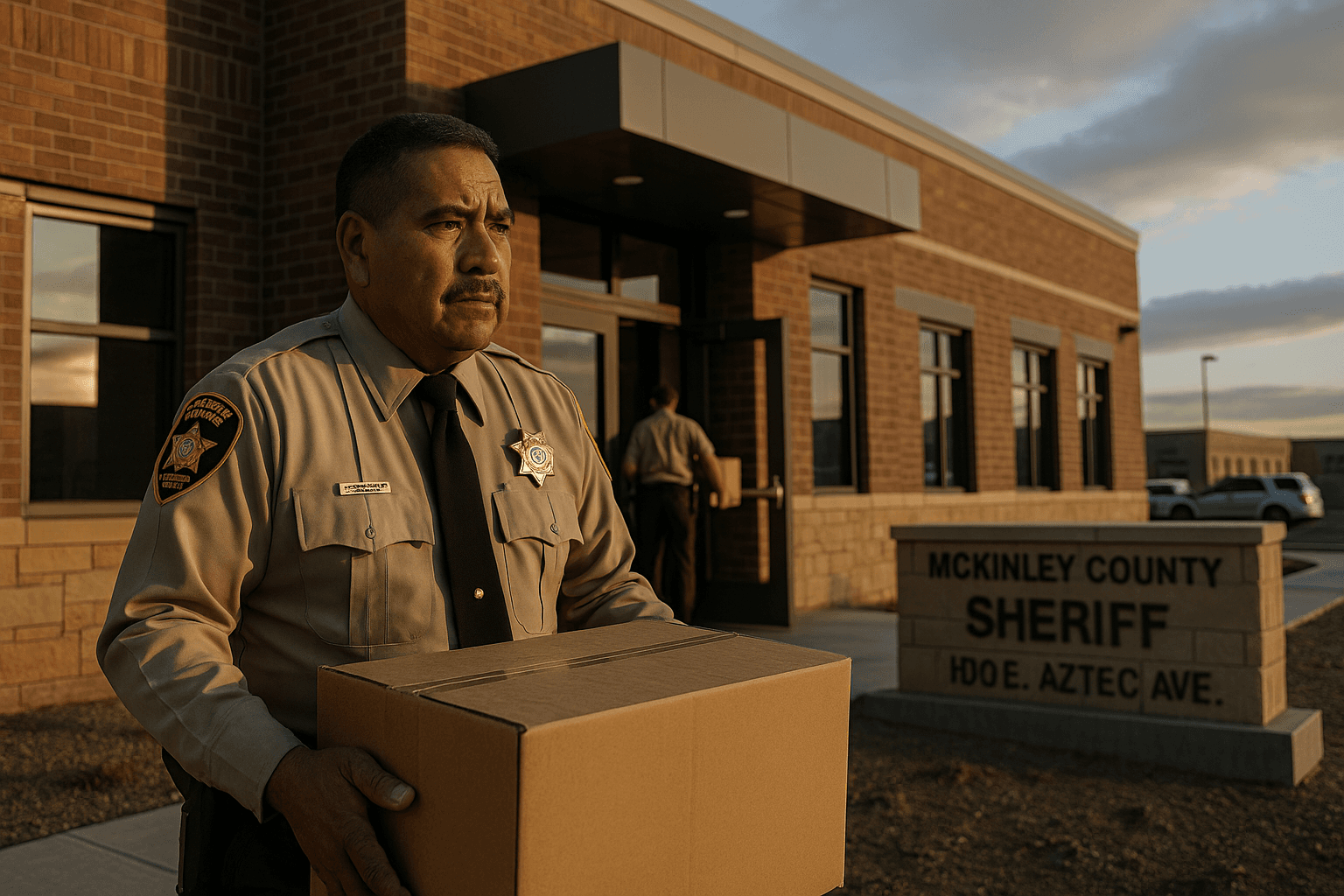
New Mexico Begins Cleanup of Four Abandoned Uranium Mines in McKinley County
State agencies announced on December 8 that they have launched initial remediation work at four long abandoned uranium mine sites in the Ambrosia Lake and Grants district in McKinley County, marking New Mexico's first cleanups under newly allocated state funds. The work matters to local residents because the sites were prioritized for their proximity to homes and hazards they pose, and the effort is intended to serve as a template for a much larger statewide cleanup effort.
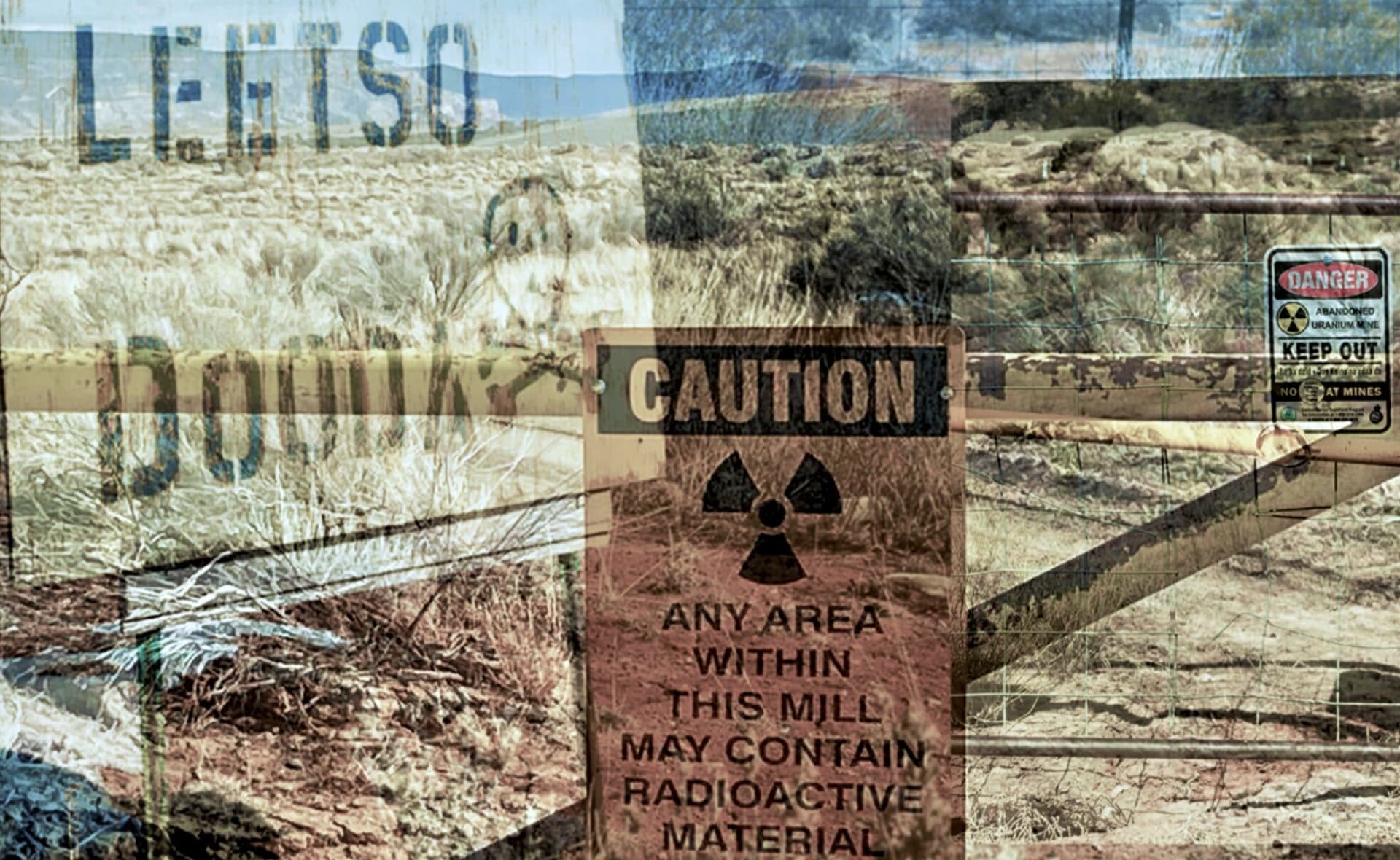
New Mexico officials announced on December 8 that contractors began preliminary remediation work at four abandoned uranium mine sites in the Ambrosia Lake and Grants mining district in McKinley County. The sites are the Schmitt Decline Mine, Moe No. 4, Red Bluff No. 1, and Roundy Shaft and Manol Strip. Contractors conducted on site surveys, environmental sampling and other early steps toward stabilizing the locations.
The effort is the first round of cleanups financed by recently allocated state funding. The work is funded in part by twelve million dollars from the Legislature's twenty million dollar appropriation for uranium mine cleanup. State officials described the McKinley County projects as an initial phase in an undertaking that could cost hundreds of millions of dollars to address abandoned uranium mines across New Mexico.
Officials and advocates said the selected locations were prioritized based on access, proximity to homes and the hazards they pose. Those local considerations are central to how the projects will be carried out and communicated. State leaders said the McKinley County cleanups will provide a template for future remediation efforts and that quarterly progress reports will be produced to track work and results.
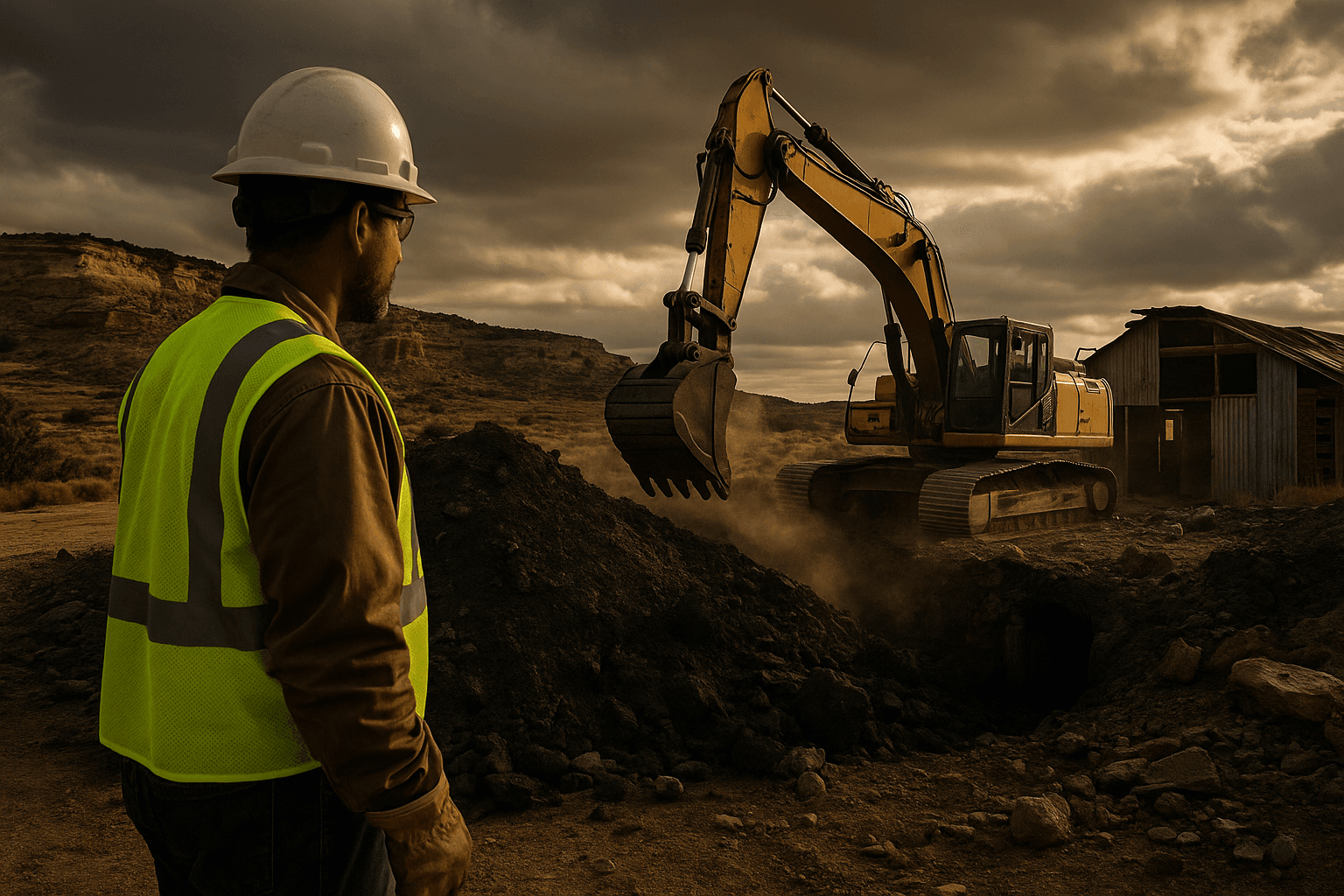
Community outreach and culturally sensitive engagement were emphasized by advocates and officials as essential components of the process. That emphasis reflects long standing concerns in communities near uranium mining districts about environmental contamination, public health and respect for local cultural priorities. Advocates urged continued state funding and federal support to meet the broader, long term cleanup needs across the region.
For residents of McKinley County the immediate impacts will be most visible in increased site activity and monitoring near the named mines, and in the prospect of more structured communication from state agencies through the promised progress reports. The Cleansups begin a process that will require sustained resources, federal cooperation and community centered outreach to address a legacy that has affected New Mexico communities for decades.
Sources:
Know something we missed? Have a correction or additional information?
Submit a Tip