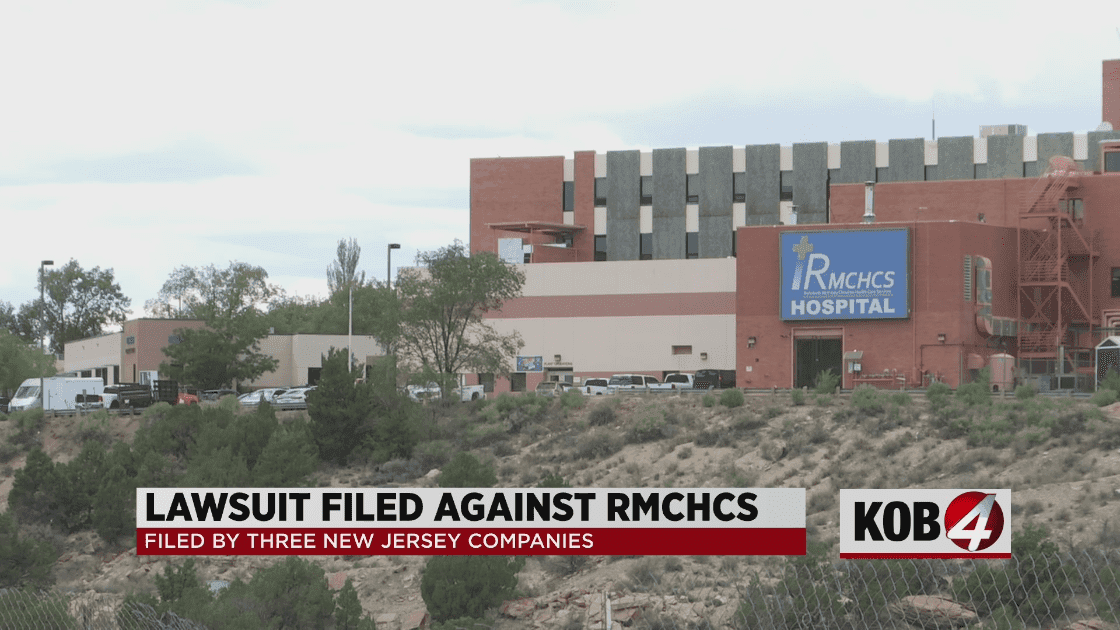
New Mexico Vows Support as ACA Tax Credits Blocked, Premiums Rise
Governor Michelle Lujan Grisham condemned a Senate Republican decision to block a proposal extending Affordable Care Act tax credits, saying the move will cause insurance premiums to rise in January. The governor said New Mexico has set aside state funds to shield families, food assistance programs, and rural health providers, an effort that matters to residents across McKinley County who face tight household budgets and limited local health care capacity.
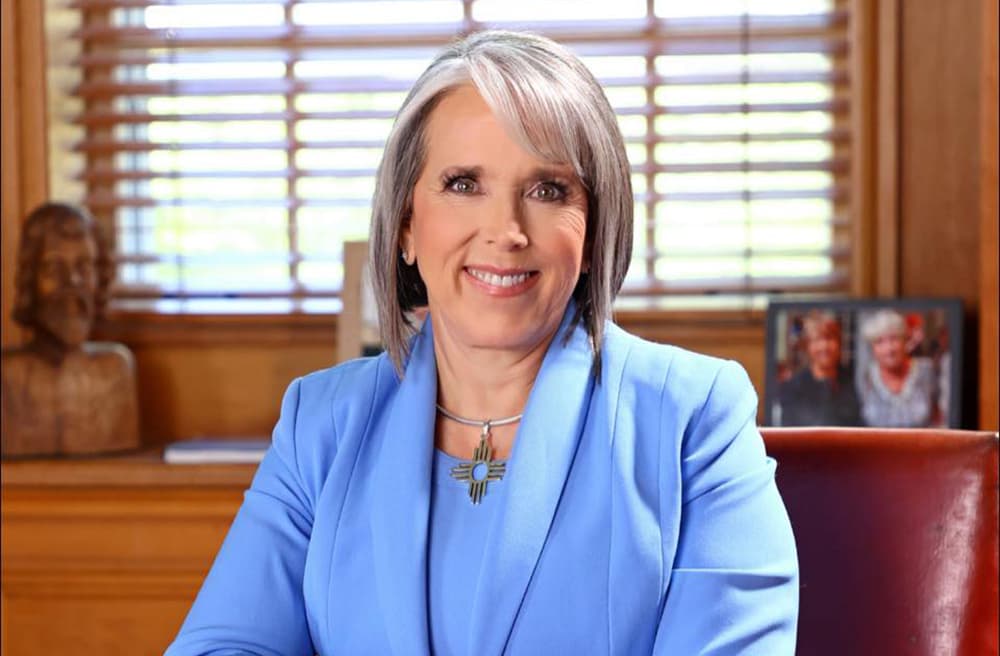
Governor Michelle Lujan Grisham issued a statement on December 12 condemning a December 11 Senate Republican action that blocked a Democratic proposal to extend Affordable Care Act tax credits for millions of Americans. The governor warned that the failure to extend the credits will drive up health insurance premiums in January, a shift that threatens affordability for people who buy coverage on the marketplace and for families already stretching their budgets.
The governor directly criticized congressional Republicans for their vote, saying, "It’s an appalling failure by a Republican Party that is more concerned with placating President [Donald] Trump than protecting the constituents they were elected to represent." She emphasized that New Mexico had prepared for the possibility of federal inaction by securing millions in state funding earlier, and pledged to use those resources to protect residents from premium hikes and other federal policy failures. State funding was described as intended to protect families, cover food assistance, and shore up rural health providers.
For McKinley County residents the implications are immediate and practical. Many households in the county rely on subsidy reductions to keep monthly premiums manageable. A rise in premiums will increase the risk that people delay care, skip medications, or forgo insurance altogether. Rural clinics and community health centers that serve large numbers of low income patients could face further financial stress if enrollment shrinks or reimbursement shifts, complicating access to primary care in areas where providers are already scarce.
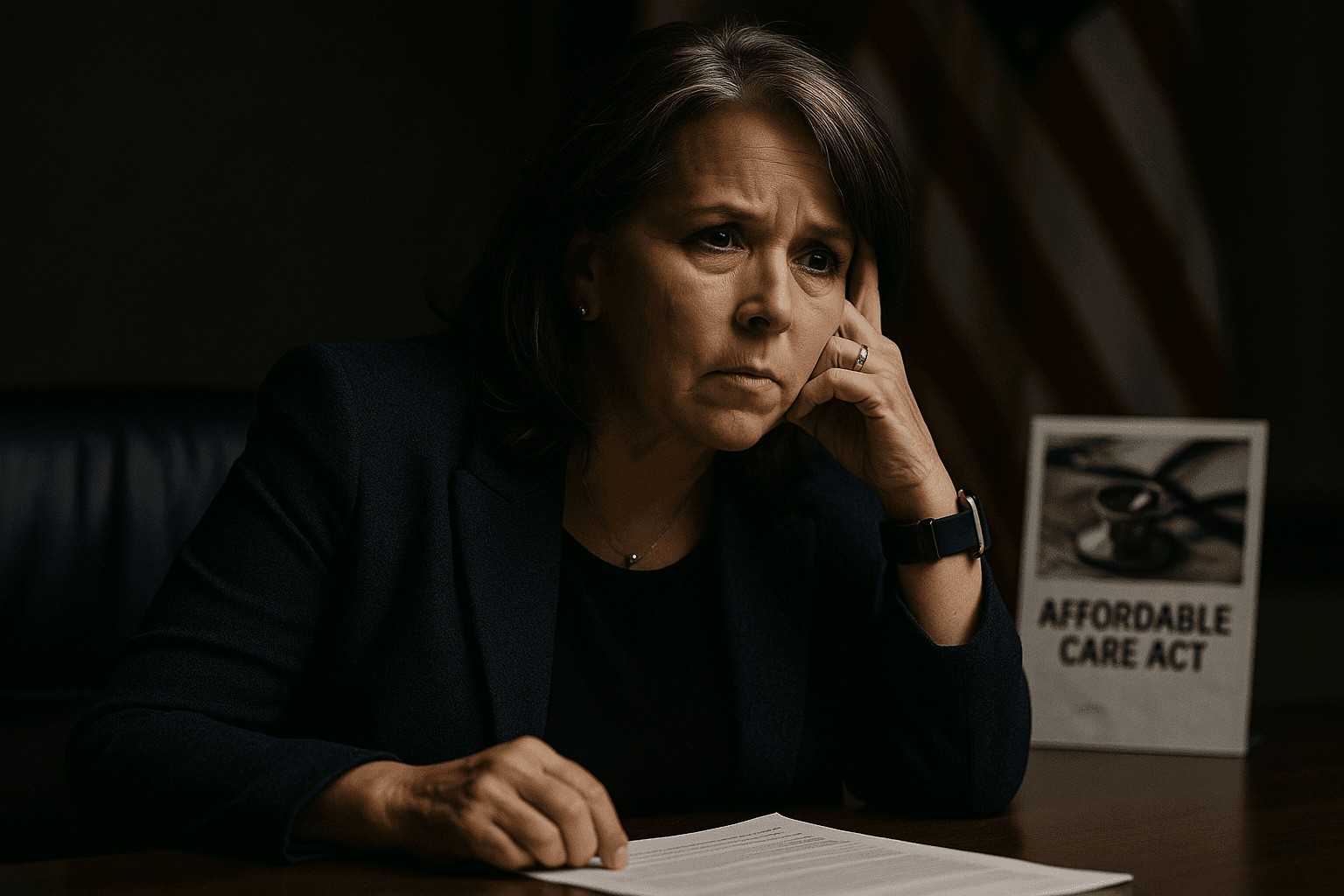
Public health officials warn that reductions in affordable coverage tend to worsen management of chronic conditions and increase reliance on emergency care, raising costs for the system and creating worse health outcomes for vulnerable populations. The governor’s move to allocate state dollars offers a stopgap, but longer term stability depends on federal action or sustained state investment.
Residents should expect communications from state agencies in the coming weeks about what the premium changes mean for enrollment and for programs supported by the state funding. Local advocates and health providers are likely to press for measures that protect coverage and preserve care access for McKinley County families who can least afford sudden increases in health costs.
Sources:
Know something we missed? Have a correction or additional information?
Submit a Tip