New Mineral Finds in Lordsburg District Could Boost Local Economy and Tourism
Field work and recent exploration in the Lordsburg mining district have identified porphyry-style copper-gold mineralization and renewed occurrences of collectible minerals, signaling ongoing geological diversity and potential economic activity for Hidalgo County. The discoveries matter locally because they influence employment, land-use planning, environmental oversight, and could draw collectors and geotourists to the area.
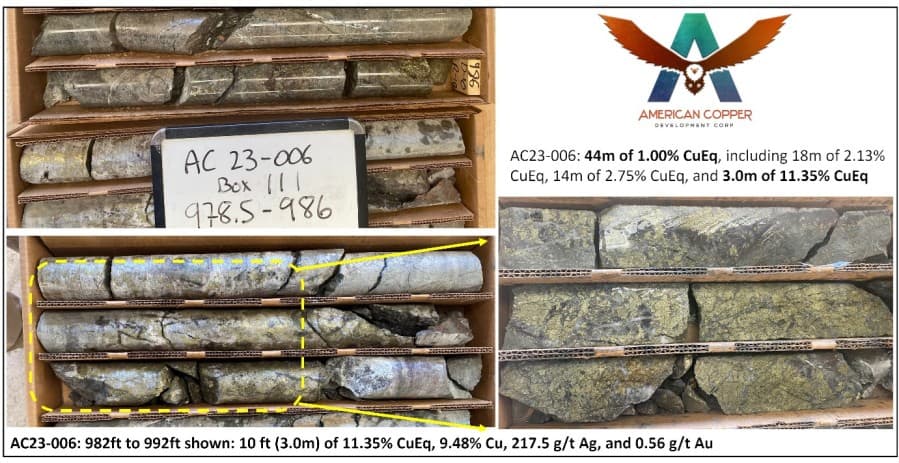
Field work and ongoing exploration in the Lordsburg mining district have renewed attention on a long history of mineral production in Hidalgo County. Geologists and prospectors have identified porphyry-style copper-gold mineralization in the district in addition to a wide array of collectible mineral occurrences at historic mines and prospects. Localities in and near Lordsburg have yielded olivenite, azurite, wulfenite, vanadinite, fluorite, rosasite, mottramite, hemimorphite, descloizite, cerussite, barite, rhodochrosite and small amounts of native gold, underscoring the geological diversity beneath county lands.
The immediate economic implications center on exploration spending, potential mine development, and a secondary boost from mineral collectors and geotourists. Exploration programs stimulate local employment in field crews, equipment services and transport, while historic operational notes show that ore from nearby operations has been trucked to mills in the Lordsburg area for processing. That integrated supply chain—from discovery to haulage and milling—creates jobs beyond the mine site and supports local service businesses.
Policy and planning considerations are already relevant. Renewed exploration and any move toward development will intersect with Hidalgo County land-use regulations, permitting processes, and environmental monitoring responsibilities. Groundwater protection, reclamation planning and air quality oversight become priorities when porphyry-style and other bulk-tonnage deposits are involved, because they can require large-scale disturbance and long-term management. County officials and regulators will need updated baseline environmental data and clear plans for monitoring if exploration intensity increases.
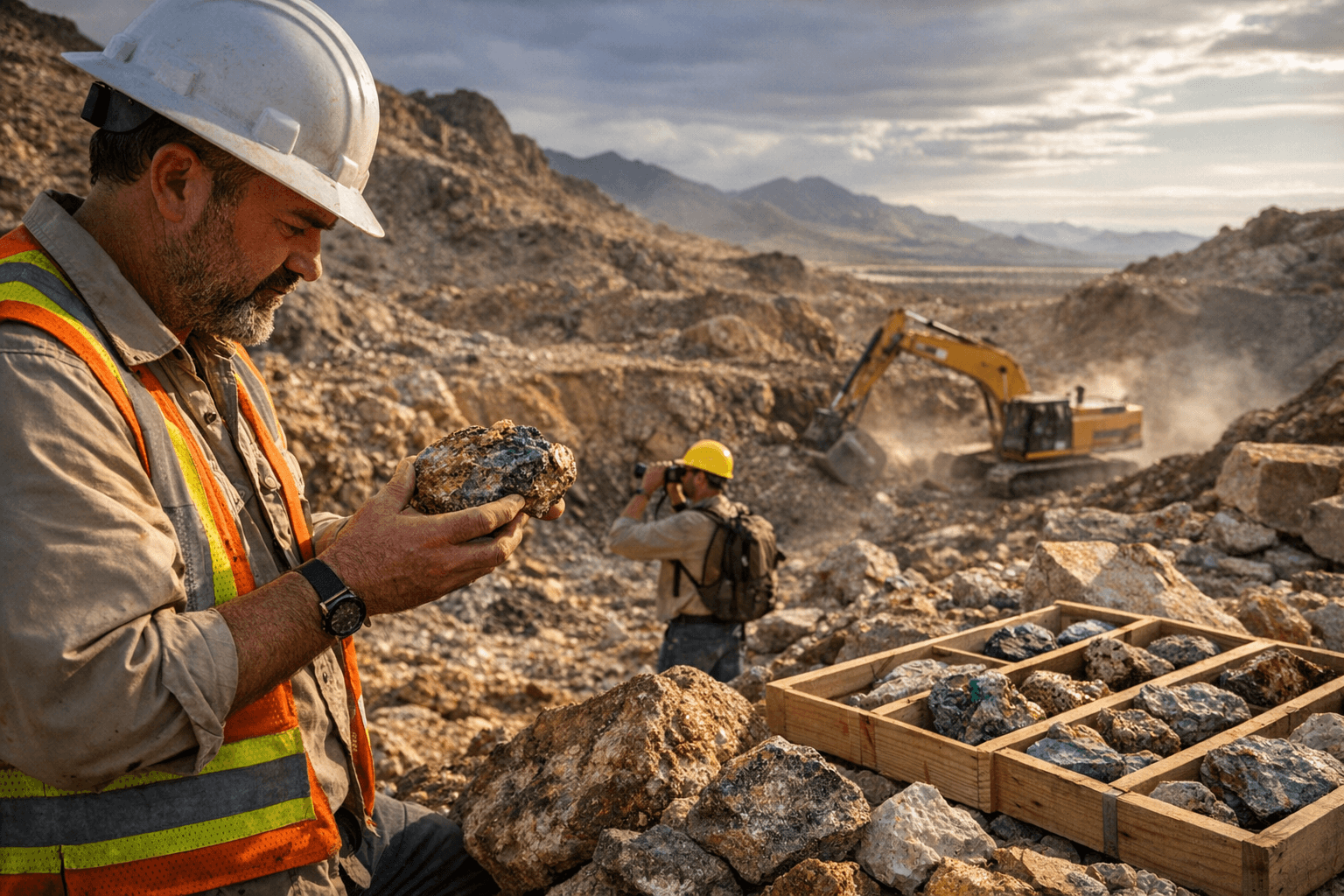
Market conditions will shape the pace and scale of any development. Copper and gold prices, capital availability for junior and mid-tier mining companies, and permitting timelines all factor into whether discoveries move from field notes to active production. For local economic development planners, the opportunity is to leverage exploration activity into durable benefits: workforce training, infrastructure improvements tied to trucking and milling, and small-business growth serving visiting collectors and geotourists.
For residents, the most tangible near-term impacts are increased field activity on public and private lands, more truck traffic to local mills, and a modest rise in visitation by mineral collectors. In the longer term, decisions about permitting, reclamation and benefit sharing will determine whether Lordsburg-area mineral activity yields sustained jobs and tax revenue or generates unresolved environmental liabilities. Hidalgo County faces a choice to plan proactively so that renewed geological interest translates into measurable community gains.
Sources:
Know something we missed? Have a correction or additional information?
Submit a Tip