New Online Exhibit Strengthens Menominee Clan Teaching and Culture
The College of Menominee Nation hosts The Menominee Clans Story, an online multimedia resource that presents the tribe's thirty four traditional clans through carved figures, origin stories, maps, pronunciation guides, and classroom materials. The site serves as a primary cultural education tool for Keshena and the Menominee Reservation, supporting language preservation, school curricula, and community transmission of customary roles and responsibilities.

The Menominee Clans Story is an active online exhibit hosted by the College of Menominee Nation that documents and teaches the tribe's traditional clan system. The site features a gallery of carved figures by Menominee artist James F. Frechette Jr. that represent the thirty four traditional clans and the Menominee genesis figures. Each carving is presented with visual details of dress, symbols, tools, colors, and cultural context to help users identify and interpret clan distinctions.
Explanatory material outlines the five principal clan divisions Bear, Eagle, Wolf, Crane, and Moose and describes the responsibilities and social roles associated with each. The site highlights how Younger Brother clans supported tribal life, noting examples such as the Sturgeon clan's role as historian. An origin story and interpretive essays place the clan system within broader Menominee social structure and show how cooperative clan relationships sustained community governance, resource use, and ceremonial life.
The resource prioritizes classroom use. Educational offerings include lesson plans, the Teaching and Learning the Menominee Clans Story curriculum guidance, links to related films including Nātamowekow, pronunciation guides for place names, and maps. Downloadable teaching materials are designed for local schools and the College of Menominee Nation, making cultural content usable in Keshena classrooms and community programs without costly field visits.
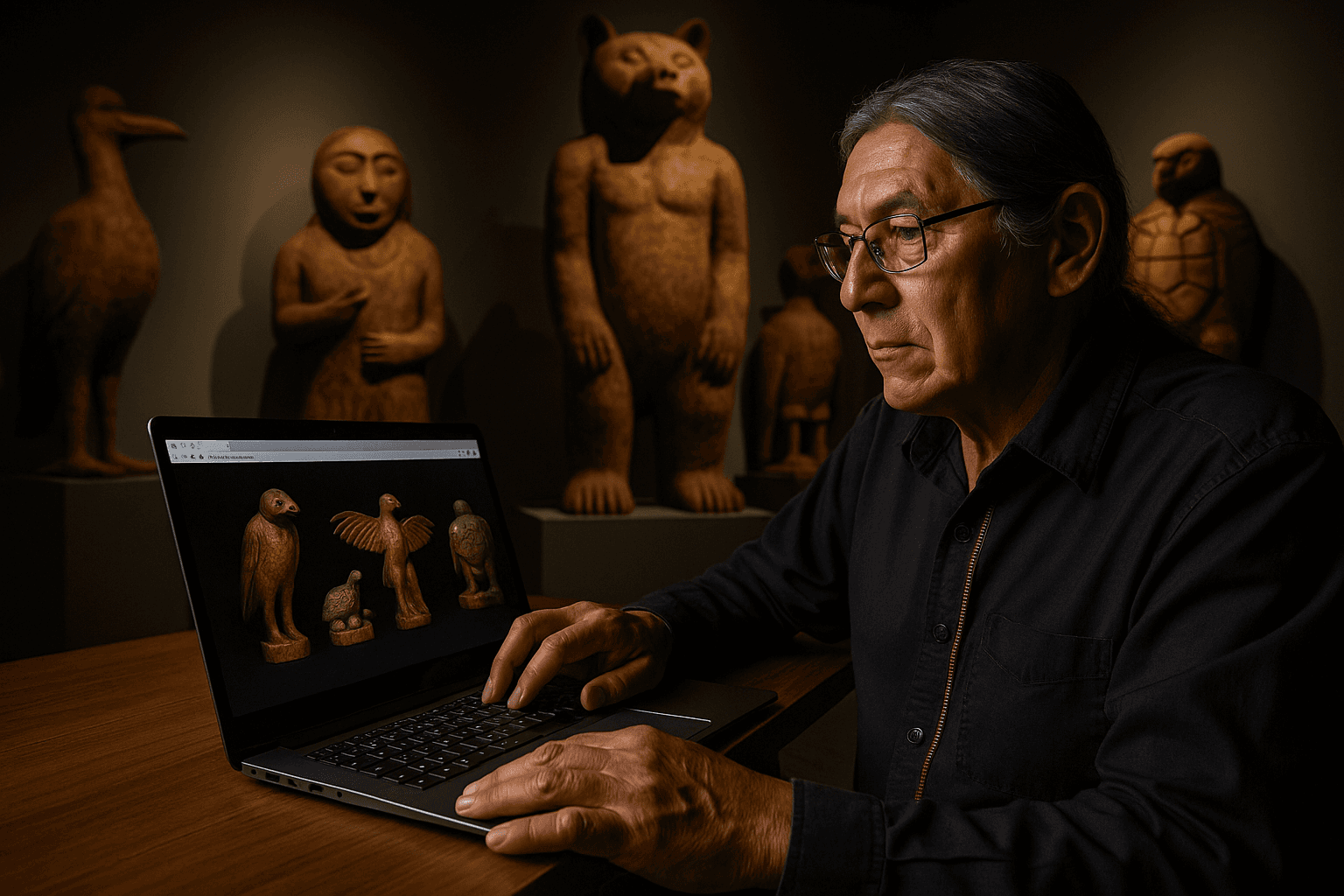
For local residents the site functions as both archive and active teaching tool. Pronunciation guides and materials on language songs and place name pronunciations support language retention efforts and make elder knowledge accessible to younger generations. Maps and exhibit history provide caretaking context for cultural sites and artifacts, strengthening stewardship practices on the reservation.
From a policy perspective the resource can reduce barriers to culturally grounded education by providing inexpensive, scalable materials that align with tribal curriculum goals. In economic terms the site supports cultural capacity building that can complement local education budgets and cultural programming rather than replace in person transmission. As digital preservation grows nationally, The Menominee Clans Story positions Menominee institutions to sustain traditions, reinforce civic identity, and inform local educational planning for years to come.