New raised crosswalks slow traffic, raise safety and visibility concerns
Two raised crosswalks and concrete speed tables installed on Celery Avenue in Sanford have reduced vehicle speeds but prompted complaints about nighttime visibility and vehicle damage. The project is federally funded and officials say design standards were followed, while city and county staff monitor how vehicles interact with the new traffic calming measures.
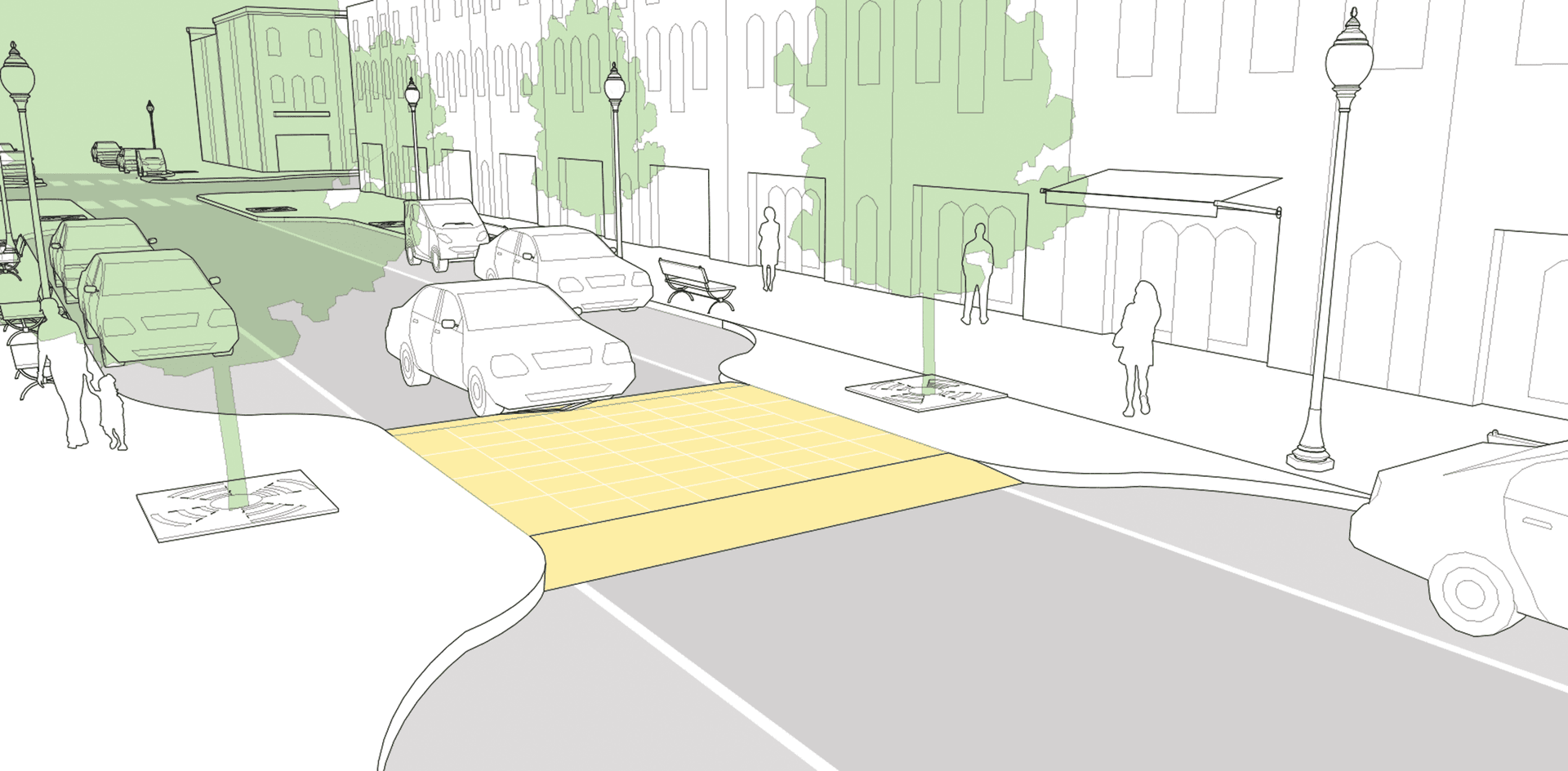
Drivers and neighbors in Sanford reported mixed results after two raised crosswalks and concrete speed tables were installed on Celery Avenue on December 8. The installations, located in front of the Celery Key neighborhood and in front of Celery Estates, have slowed traffic for some residents, but others say the features are hard to see at night and have caused vehicle scraping and minor damage.
Signs and orange flags were placed to warn approaching drivers, but the speed tables do not include reflective strips or flashing lights. One viewer who contacted reporters raised concerns about the lack of lighting, saying the speed tables are difficult to see at night and that posted signs are difficult to read without lights. Dozens of people posted comments on social media describing a range of experiences, and one resident claimed a hump damaged his minivan splash protector.
A Seminole County spokesperson said the project was designed in compliance with the Federal Highway Administration Manual on Uniform Traffic Control Devices and was approved by the Florida Department of Transportation as part of the federally funded Local Agency Program. County and City of Sanford staff are monitoring vehicle interactions with the raised crosswalks. The City has lowered the posted speed limit on Celery Avenue to 35 miles per hour and recommends drivers proceed at 20 miles per hour when passing the speed tables.
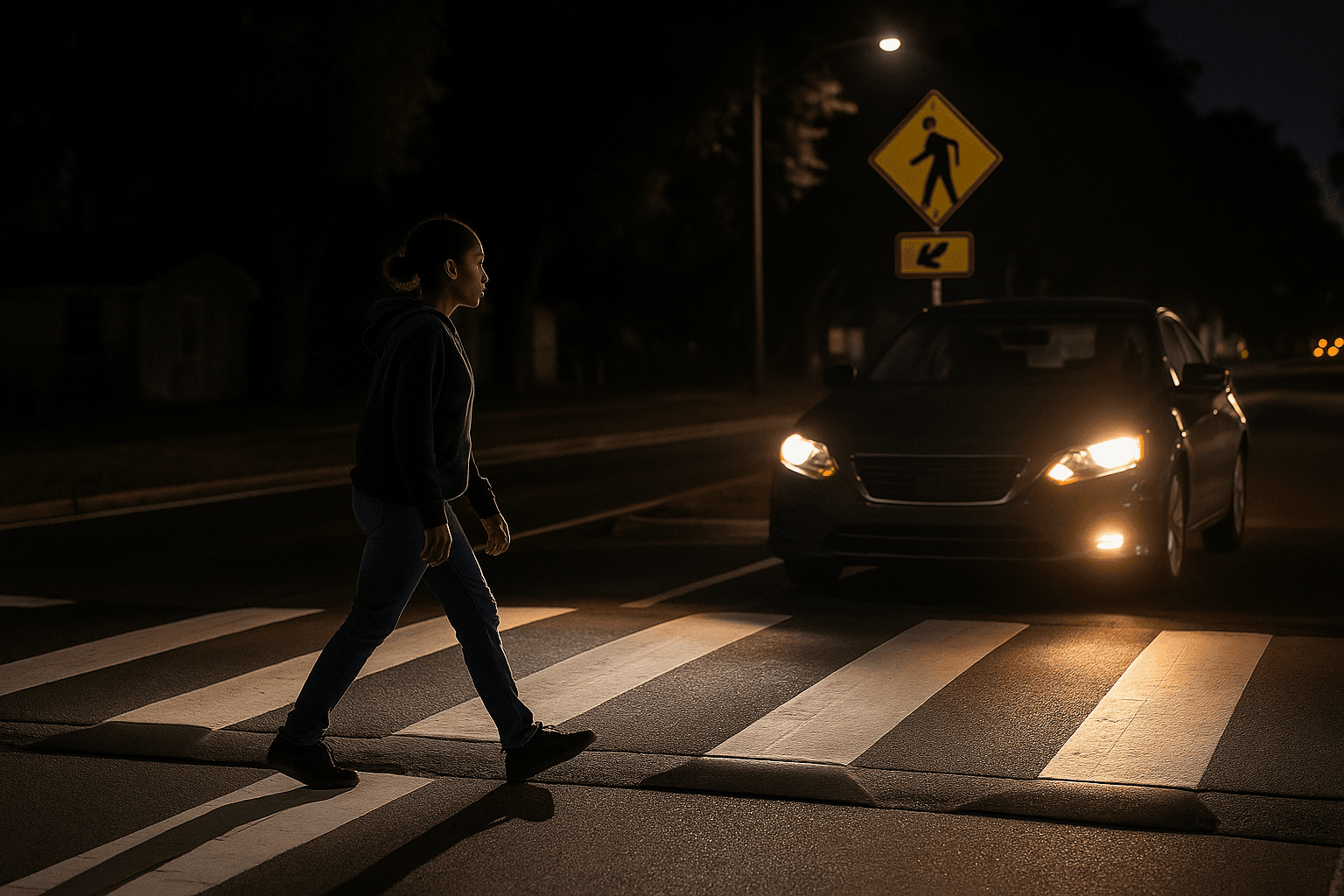
The work is part of Phase 1 of the Lake Monroe Trail Loop Project, intended to link Sanford's Riverwalk to State Road 415 and improve pedestrian and bicycle connectivity. The installations reflect a broader policy trade off between slowing vehicle traffic to protect trail users and ensuring road features are visible and safe for motorists at all hours.
For local residents the issue raises practical and governance questions. Visibility and vehicle contact complaints may prompt further adjustments, such as additional signage or reflective materials, but any changes will be weighed against federal design guidance and funding requirements. City and county monitoring in the coming weeks will determine whether modifications are needed to balance traffic calming goals with nighttime safety and vehicle damage concerns.
Sources:
Know something we missed? Have a correction or additional information?
Submit a Tip