New Tiny Home Village Expands Lane County Shelter Capacity, Community Ties
Lane County commissioners met with emergency shelter providers on December 11, as Everyone Village in West Eugene presented a scalable model that blends tiny cottages, medical recuperation homes, workforce development and onsite services. The project increases local shelter capacity, creates pathways to employment, and raises policy questions about county coordination, funding priorities and how government supports rapid stabilization strategies.
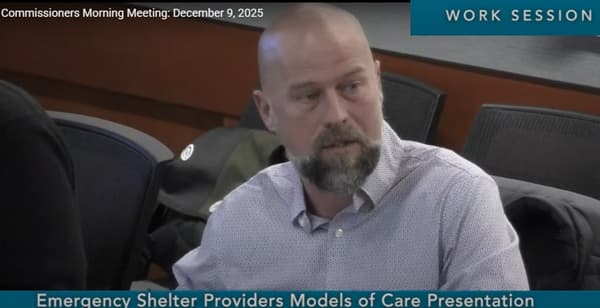
At a December 11 meeting with emergency shelter providers, county commissioners heard a detailed profile of Everyone Village, a West Eugene shelter that combines housing, health services and workforce development on donated and privately financed property. The village operates 70 tiny cottages for people experiencing homelessness and 10 medical recuperation tiny homes designed for short term recovery following hospitalization. The site grew from land donated by Rexius and warehouse space purchased by a local business owner, a configuration leaders cited as evidence of how private sector contributions can accelerate shelter capacity.
Everyone Village emphasizes a low barrier, rapid stabilization approach with an operational model it calls reciprocal accountability that encourages residents, known as villagers, to engage with purpose and community. The campus includes workforce development positions and onsite partnerships that deliver medical and behavioral health services, and village leaders outlined plans to add a primary care clinic at the site to improve continuity of care. Program staff described warm handoffs between providers as central to reducing gaps in services and minimizing repeated emergency department use.
The village also integrates local nonprofits and educational programs. High school students participated in building tiny homes, providing both labor and vocational learning opportunities. Village operators said those partnerships create tangible civic engagement and pathways into trades and service roles, which can help transition residents into long term employment and housing stability.

For Lane County residents the expansion matters in several ways. Increased shelter capacity and onsite medical recuperation can relieve pressure on hospital and emergency services and reduce encampments in public spaces. The workforce components could lower long term social service costs by promoting economic self sufficiency among participants. At the same time county policymakers must weigh budget priorities and coordination among providers to sustain services, oversee standards and monitor outcomes.
Commissioners face decisions about how to align county funding, zoning and health services with shelter providers to scale effective models while maintaining accountability. The Everyone Village example underscores the role of private donations and cross sector collaboration, and presents concrete options for civic participation through volunteerism, vocational programs and public oversight as the county shapes its homelessness response.
Sources:
Know something we missed? Have a correction or additional information?
Submit a Tip