NLRB Issues Guide Explaining Workers Rights Under NLRA
The National Labor Relations Board released official guidance laying out employees rights to act together to improve wages and working conditions, with or without a union. The guidance clarifies what employer practices can unlawfully chill those rights, explains remedies the Board can seek, and provides instructions for filing unfair labor practice charges, making it a practical resource for Home Depot associates and other retail workers.
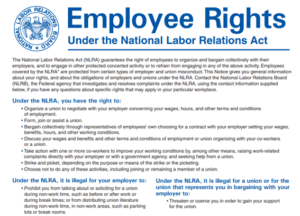
The National Labor Relations Board published clear guidance that explains employee protections under the National Labor Relations Act when workers join together to address wages, safety, scheduling, and other conditions of employment. The guidance emphasizes that concerted activity is protected whether workers organize through a union or act informally, and it lists common employer and union practices that can unlawfully interfere with those rights.
At the center of the guidance are examples of workplace rules and actions that can chill protected activity. The Board flags handbook provisions that prohibit discussion of wages, misclassification of workers as independent contractors, restrictive agreement provisions that limit group action, and intrusive electronic monitoring that surveils employee communications and organizing. The guidance also explains how conduct by unions can cross legal lines, and offers concrete scenarios to help workers and employers evaluate specific practices.
The NLRB lays out how employees can file an unfair labor practice charge and the remedies the Board may seek when it finds violations. Potential remedies include reinstatement of employees who were unlawfully fired, back pay for lost wages, and rescission of unlawful workplace rules. The guidance also includes contact and filing information for regional NLRB offices, so workers have direct routes to initiate complaints and seek Board enforcement.

For Home Depot associates and other retail employees, the guidance has immediate implications. Many stores rely on employee handbooks, scheduling algorithms, and electronic monitoring tools that can, intentionally or not, restrict worker conversations or actions. The Board guidance gives workers a clearer basis to challenge policies that prevent discussion of pay or organizing, and it signals that enforcement tools are available if employers unlawfully interfere.
The guidance is a reference point for employees considering how to raise concerns or pursue organizing, and for managers reviewing store policies to ensure compliance. Workers who believe their rights have been violated can follow the filing instructions with their regional NLRB office to request an investigation and possible remedies.