NLRB Limits Mandatory Union Meetings, Changes Rules For Taco Bell Managers
The National Labor Relations Board has clarified that compelling employees to attend workplace meetings where the employer expresses views about unionization can violate Section 7 of the National Labor Relations Act when attendance is imposed under threat of discipline. The guidance narrows employer latitude, while carving a safe harbor for voluntary meetings, a shift that matters to Taco Bell franchisees and field leaders managing organizing activity.

The National Labor Relations Board has adopted a position that requiring employees to attend meetings in which management discusses unionization can constitute an unfair labor practice when attendance is compelled by threats of discipline or other reprisals. The ruling centers on compulsion, making it unlawful for employers to force attendance at so called captive audience sessions when the expectation of penalties is present.
At the same time the Board and subsequent legal commentary identify a safe harbor that allows employers to hold voluntary meetings on company time. To qualify, employees must be informed in advance that attendance is voluntary and that there will be no reprisals for nonattendance or for leaving the meeting. Employers retain the right to express views and opinions about unionization, but the decisive line is whether employees feel coerced through discipline or implied penalties.
The change has practical implications for multiunit restaurant operators and franchisees, including those in the Taco Bell system. Legal advisers recommend avoiding mandatory meetings focused on union campaigns. Instead area coaches, general managers and human resources partners should provide advance notice that sessions are voluntary, avoid language or actions that could be construed as intimidation, and document communications demonstrating that no adverse action will follow nonattendance. The guidance also counsels caution around repeated or long duration meetings, timing of sessions close to union elections, and the use of managers to watch or record employee reactions.
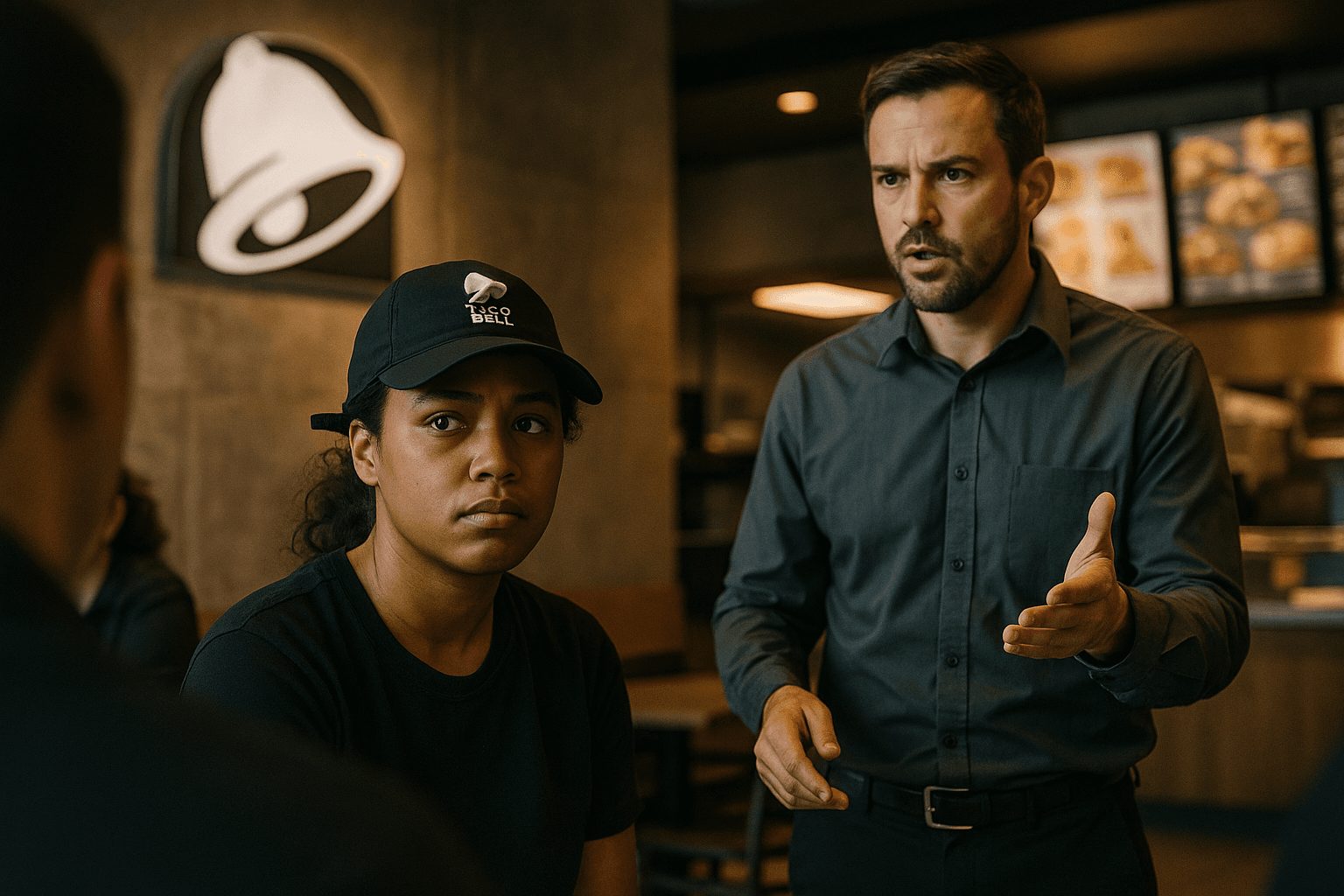
For Taco Bell operations the ruling tightens how corporate leadership and franchise operators may lawfully communicate about organizing drives. Field leadership that fails to adapt may increase exposure to unfair labor practice charges and NLRB enforcement actions. Conversely adherence to the voluntary meeting criteria can reduce legal risk while preserving the company and managers ability to express viewpoints.
The development underscores the importance of training for store level supervisors and regional leaders. Clear scripts are not required, but consistent policies that emphasize voluntariness, absence of reprisals, and careful documentation of meeting notices and employee choices will be essential to navigating organizing activity in the quick service sector.