NMRA Beginners Guide offers clear roadmap for new modelers
The National Model Railroad Association has produced a comprehensive Beginners Guide Part 1 Getting Started that lays out a step by step path for people new to model railroading. The guide explains scale and era choices, basic tools and projects, and practical skills to practice, and it matters because it helps you avoid common early mistakes while connecting you with clubs and standards that support long term progress.
The NMRA Beginners Guide Part 1 Getting Started provides a single, structured introduction to model railroading that covers how newcomers typically enter the hobby and what to focus on first. The guide is oriented toward practical choices, from selecting a scale and era to assembling basic tools and picking a first project. It highlights benchwork, track, motive power and rolling stock as core areas to learn, and it explains why NMRA standards and community support matter for consistent, long lasting results.
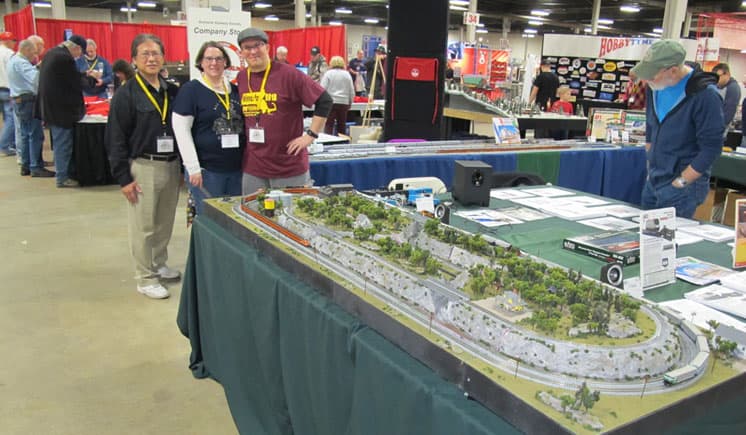
Specific advice in the guide urges starting with small layouts to keep costs and complexity manageable. A 4x8 layout is offered as a suitable first layout, and small modular setups are presented as an alternative that eases transport and collaboration. The guide stresses practicing core skills, wiring, basic scenery and kitbuilding, before attempting large commitments. Those skills reduce the common mistakes that sink initial enthusiasm and budgets.
The resource makes clear that joining a local club or a modular group accelerates learning. Hands on experience with experienced members speeds troubleshooting and gives access to tools and shared projects that are hard to replicate working alone. The guide also lists useful magazines, manufacturers and suppliers, creating a practical reference for buying parts, planning projects and finding further instruction.

Community impact is immediate. New members get a roadmap that lowers the barrier to entry, while clubs gain better prepared recruits who understand the basics of standards and safety. The guide’s emphasis on standards reduces frustration when mixing equipment from different manufacturers and promotes interoperability on group layouts.
If you are starting now, the recommended next steps are clear. Begin with a small, manageable layout such as a 4x8 or a module, focus on wiring, basic scenery and simple kitbuilding, and find a local club or modular group to learn hands on. Use the listed magazines, manufacturers and suppliers to plan purchases and to continue learning as your layout grows.