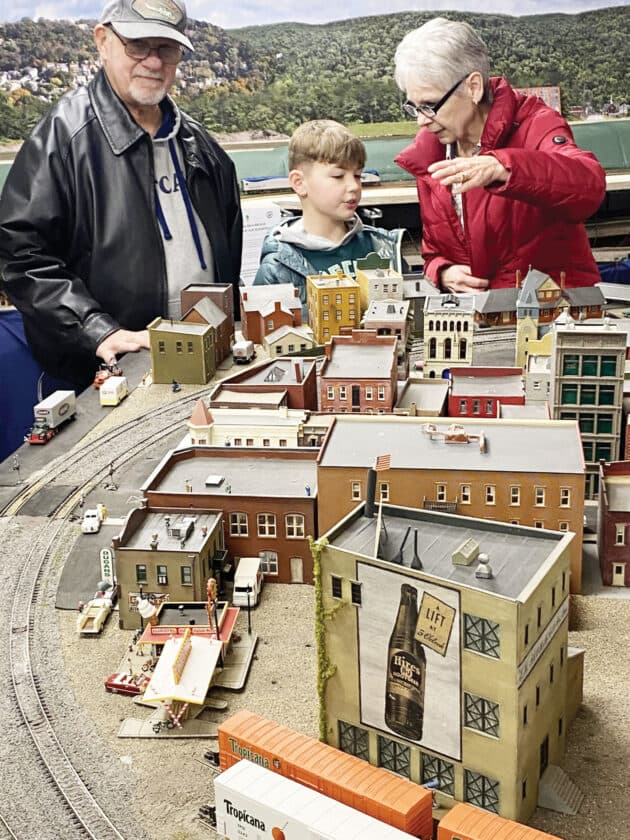
NMRA Beginners Guide Walks New Modelers Through First Layouts
The National Model Railroad Association maintains a multi part Beginners Guide that walks new modelers from first interest through basic layout construction and operation. Part 1, Getting Started, covers scale selection, era and prototype choices, track options, tools and adhesives, scenery basics, planning, and safety, making it a practical primer for anyone ready to begin.

The National Model Railroad Association publishes a multi part Beginners Guide designed to move newcomers from curiosity to functioning layouts. Part 1, titled Getting Started, lays out core decisions and techniques that shape early success. The guide is produced by NMRA Education and is maintained as an ongoing, routinely updated resource useful to solo builders and clubs alike.
The guide leads with scale selection and the choice of era and prototype, because those decisions determine equipment, track spacing, and scenic approach. It then explains three basic track options, sectional, flexible, and hand laid, and how each affects layout planning and long term maintenance. Readers will find clear explanations of what each track type requires, and why one might suit a modular club project versus a small starter home layout.
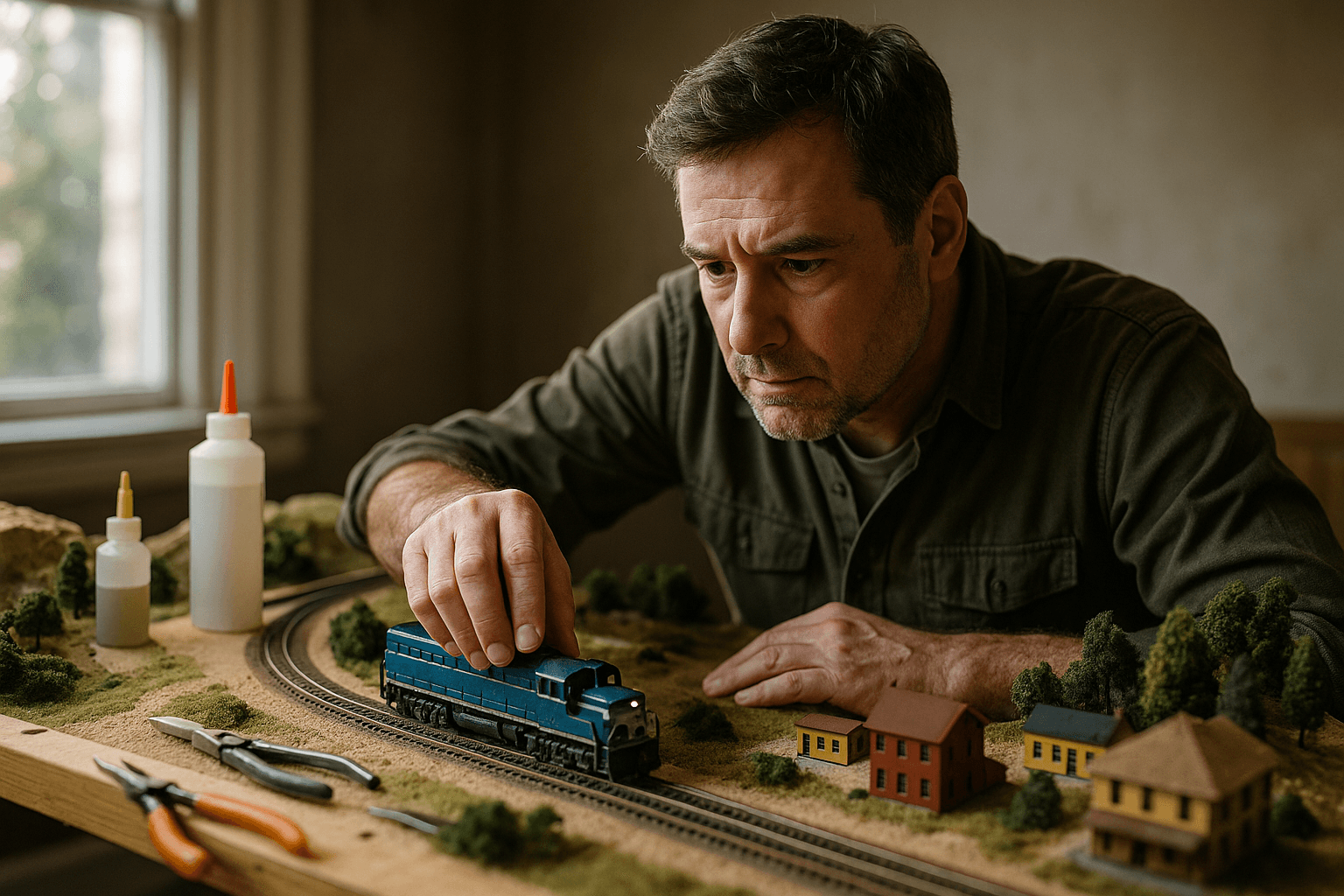
Practical shop advice follows, with a rundown of recommended starter tools and adhesives and straightforward scenery basics. The emphasis is on planning and safety, with step by step suggestions that encourage starting small, learning by doing, and joining a local club to accelerate skills and access equipment. The guide endorses modular or compact starter layouts as effective ways to practice wiring, trackwork, and scenery without overreaching on a first project.
For community minded modelers the guide functions as both checklist and roadmap, reducing the common early missteps that cost time and money. Clubs can use the material to onboard new members and structure workshops, while individuals can use the guide to scope a first layout, prioritize purchases, and build confidence in electrical and scenic techniques.
Consult the guide directly at nmra.com/beginners-guide-part-1-getting-started for the full walkthrough and to see the latest updates from NMRA Education. Use the planning advice to set realistic goals, follow the safety recommendations when working with tools and adhesives, and reach out to local clubs to learn hands on skills that the guide encourages.
Sources:
Know something we missed? Have a correction or additional information?
Submit a Tip